In the heart of France, the village of Oradour-sur-Glane remains an open wound in the landscape and in Europe’s collective memory. On 10 June 1944, only four days after the Allied landings in Normandy, a detachment of the 1st Battalion of the 4th Panzergrenadier Regiment of the SS Division Das Reich carried out one of the most brutal and systematic massacres of civilians in Western Europe during the Second World War.
Within a few hours, 642 men, women and children were murdered and their village burned to its foundations. What happened at Oradour was not an act of war but a display of gratuitous, dehumanising violence, whose justification remains as thin as the ashes that covered its streets.
Life in Oradour-sur-Glane Before the Tragedy
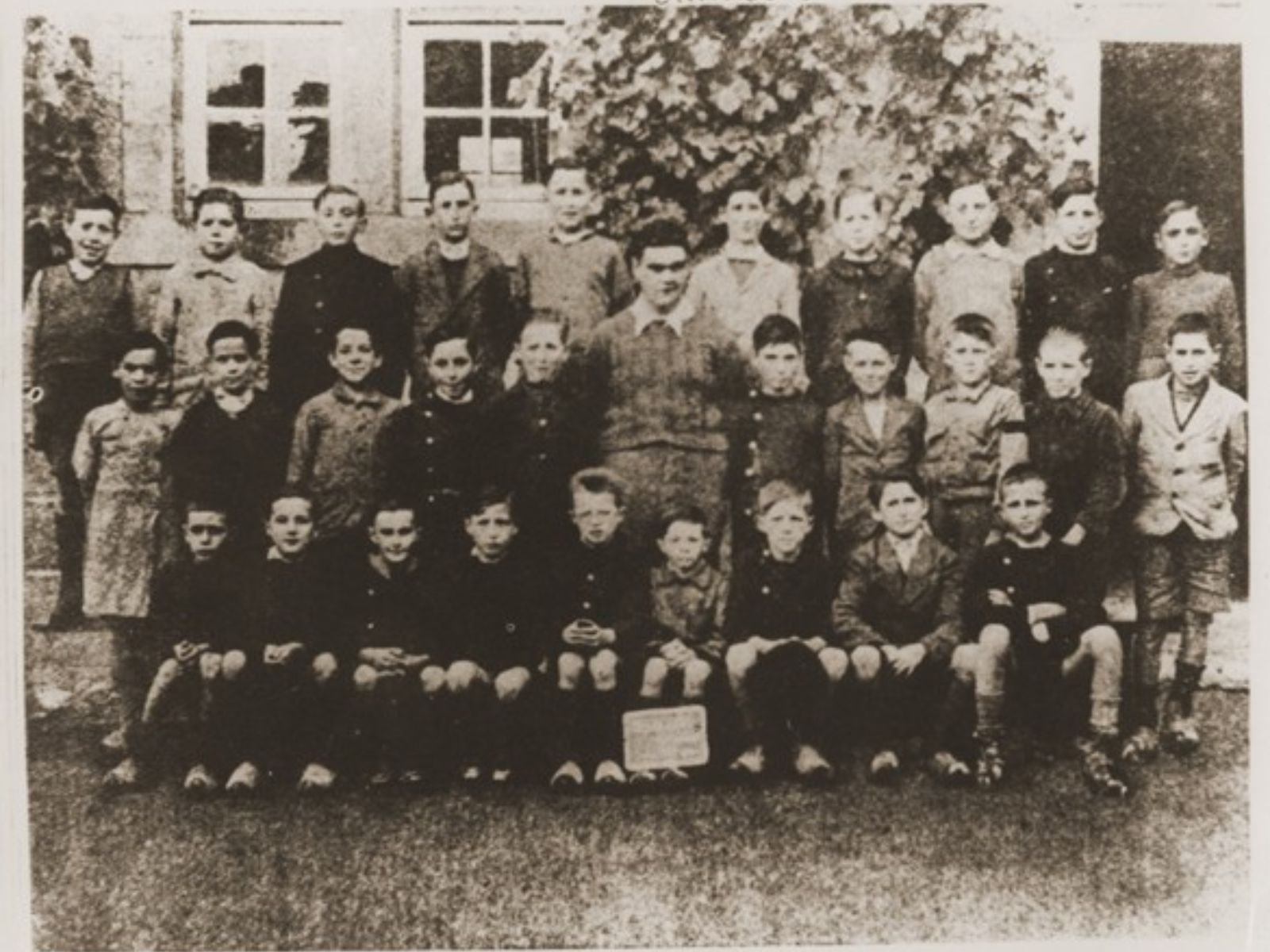
A class of boys from the school at Oradour-sur-Glane. Everyone who appears in the photograph was killed in the massacre of 10 June 1944.
Saturday 10 June 1944 began like any other in Oradour-sur-Glane. The village, in the Limousin region, was a haven of calm amid the turmoil of occupied France. Its inhabitants, including refugees from other parts of France and from Spain who had sought peace there, lived a quiet routine. The children went to school, the farmers worked the fields and the shopkeepers opened their doors.
That morning a tobacco distribution drew many residents to the centre of the village, a mundane detail that would tragically make the perpetrators’ work easier. No one could have imagined that those hours of normality would be the last, that the sound of children’s laughter and everyday conversation would be replaced by the crackle of flames and the echo of gunfire.
The Arrival of the Das Reich Division: The Beginning of the End
At around two in the afternoon, some 120 to 200 Waffen-SS soldiers, under the command of SS-Sturmbannführer (Major) Adolf Diekmann, surrounded the village, blocking every way in and out. This unit, the Das Reich Division, had come from long and brutal service on the Eastern Front, where reprisals against civilians were common practice and the dehumanisation of the enemy a doctrine.
The official pretext for the operation, according to the Germans, was the search for an SS officer, Helmut Kämpfe, who had been captured by the French Resistance (Maquis) days earlier. Yet no evidence ever connected Oradour-sur-Glane to any Resistance activity. The choice of the village appears to have been an act of collective punishment, deliberate and arbitrary, a terrible example meant to terrorise the local population.
The town crier was forced to announce that all inhabitants, including the sick and the elderly, were to gather at the fairground for an identity check. Most residents complied without great alarm, believing it to be a routine procedure. Before long the whole population was assembled, a human flock about to be driven to the slaughterhouse.
The Method of the Horror: Separation and Extermination
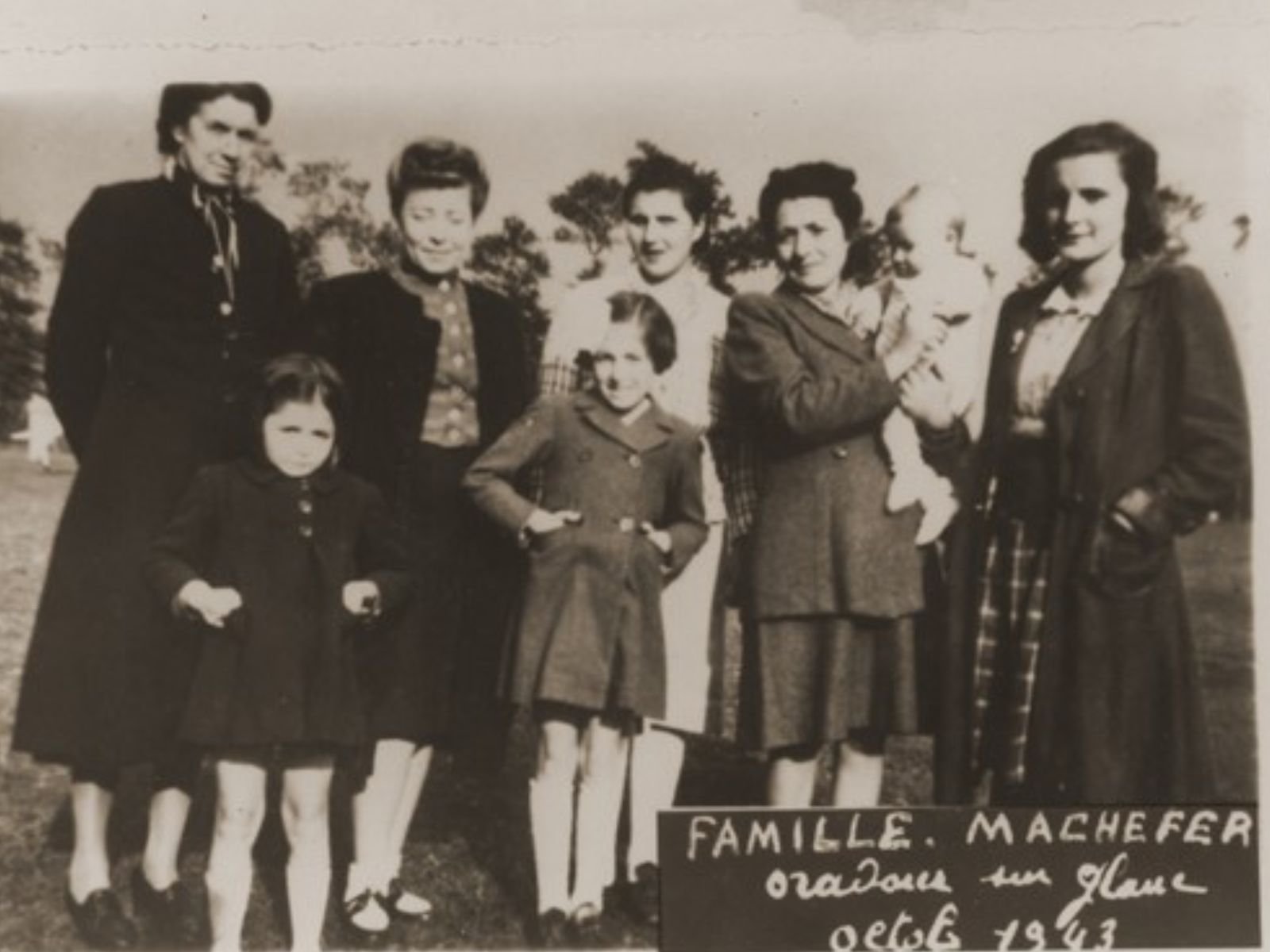
A photograph from October 1943 of the Machefer family in Oradour-sur-Glane, France. All the women and children in the photograph, apart from the father, were killed by the SS in the massacre of 10 June 1944.
The violence was carried out with a chilling, methodical precision. First the SS soldiers separated the men from the women and children. The 197 men were divided into six groups and taken to barns and garages scattered around the village. There they were shot with machine guns aimed deliberately at their legs so that they could not escape. The soldiers then set fire to the barns, burning the bodies, many of them still alive, in indescribable agony.
Meanwhile the 240 women and 205 children were locked inside the village church. The soldiers then threw smoke and explosive grenades into the sanctuary, causing panic and suffocation. When chaos took hold, they set the church alight and machine-gunned anyone who tried to escape through the windows or doors. The church, a place of faith and refuge, was turned into an altar of sacrifice to Nazi fury. The crying of the children and the screams of the mothers were drowned by the roar of the fire.
The Voices of the Survivors: Witnesses to Barbarity
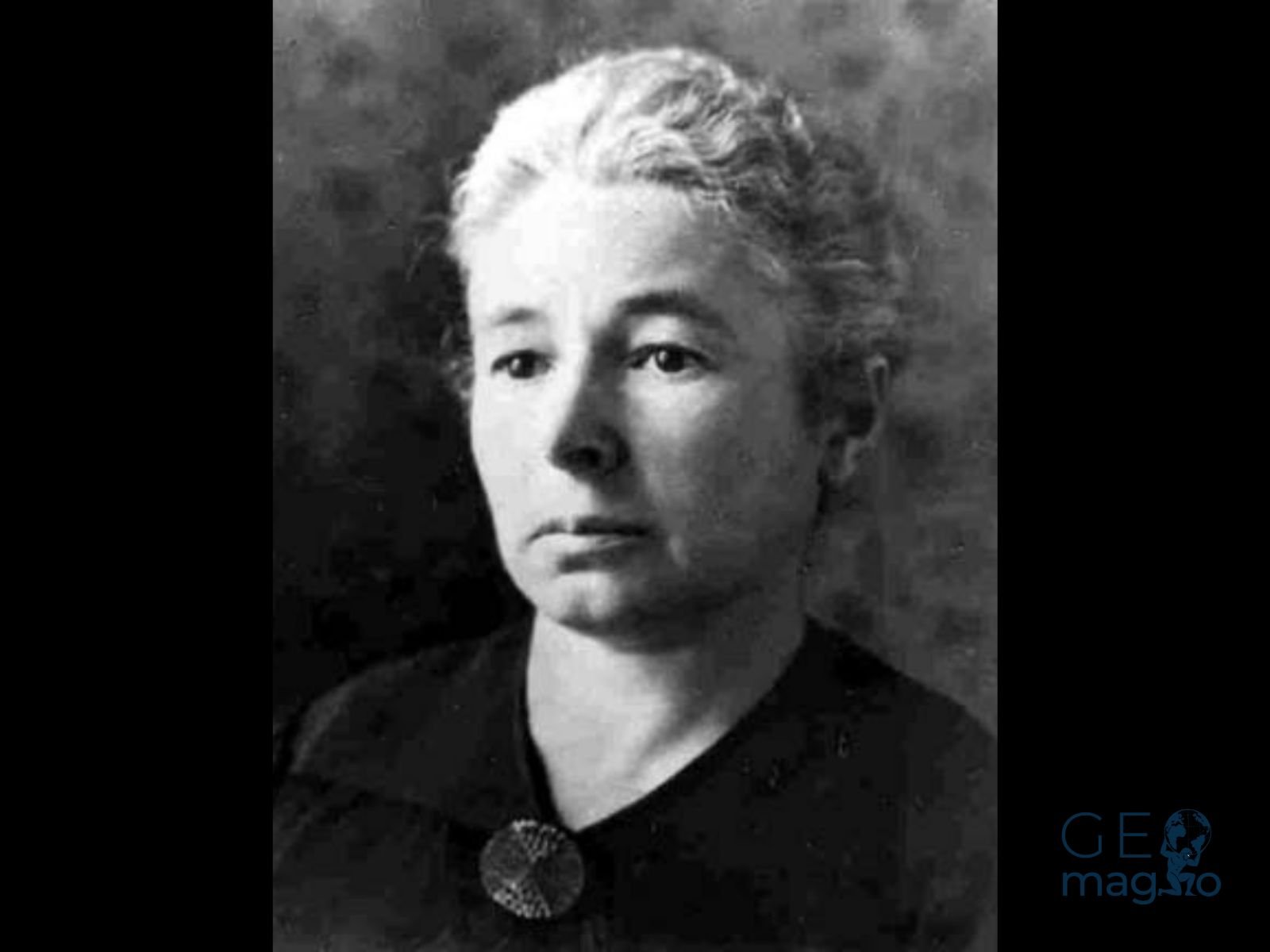
Madame Marguerite Rouffanche, the only survivor from the church, spent more than a year recovering from her wounds. After jumping from the church window she was shot five times before crawling into a garden, where she hid until she was rescued the following afternoon in Oradour-sur-Glane. Madame Rouffanche gave evidence at the Bordeaux trial in 1953, where she recounted the events she had witnessed on 10 June 1944.
Only a handful of people survived to tell the story. Six men, including Robert Hébras, managed to escape from the barns by hiding under the bodies of their companions and waiting for nightfall to flee. From the church, only one woman, Marguerite Rouffanche, survived. She managed to jump through a window behind the altar, was shot five times, and dragged herself into a garden where she hid for more than 24 hours until she was rescued.
Marguerite’s testimony is one of the most harrowing accounts of the massacre. She described how a young mother tried to pass her baby to her through the window before both were machine-gunned. Robert Hébras, who became the last survivor and died in February 2023 at the age of 97, devoted his life to preserving the memory of the massacre. He lost his mother and two sisters in the church. In his accounts he described the sense of helplessness and the choice to crawl out of the burning barn, preferring the prospect of being shot to being burned alive. His voice, like Marguerite’s, became the living memory of Oradour.
A Legacy of Silence and an Unpunished Crime
Justice for Oradour-sur-Glane was largely denied. Commander Adolf Diekmann, who led the massacre, was killed in action in Normandy a few weeks later, on 29 June 1944, escaping any trial. Other officers, such as General Heinz Lammerding, commander of the Das Reich Division, were never extradited to France and died free men in Germany.
A trial was held in Bordeaux in 1953 involving 23 former SS soldiers, among them 14 Alsatians who claimed to have been conscripted by force. The lenient sentences and a subsequent amnesty for the Alsatians, in the name of “national unity”, caused deep outrage in Limousin. For decades the village lived in silent mourning, refusing to hold baptisms, weddings or any festivity, a mute protest against injustice and forgetting.
Oradour-sur-Glane Today: A Village Frozen in Time
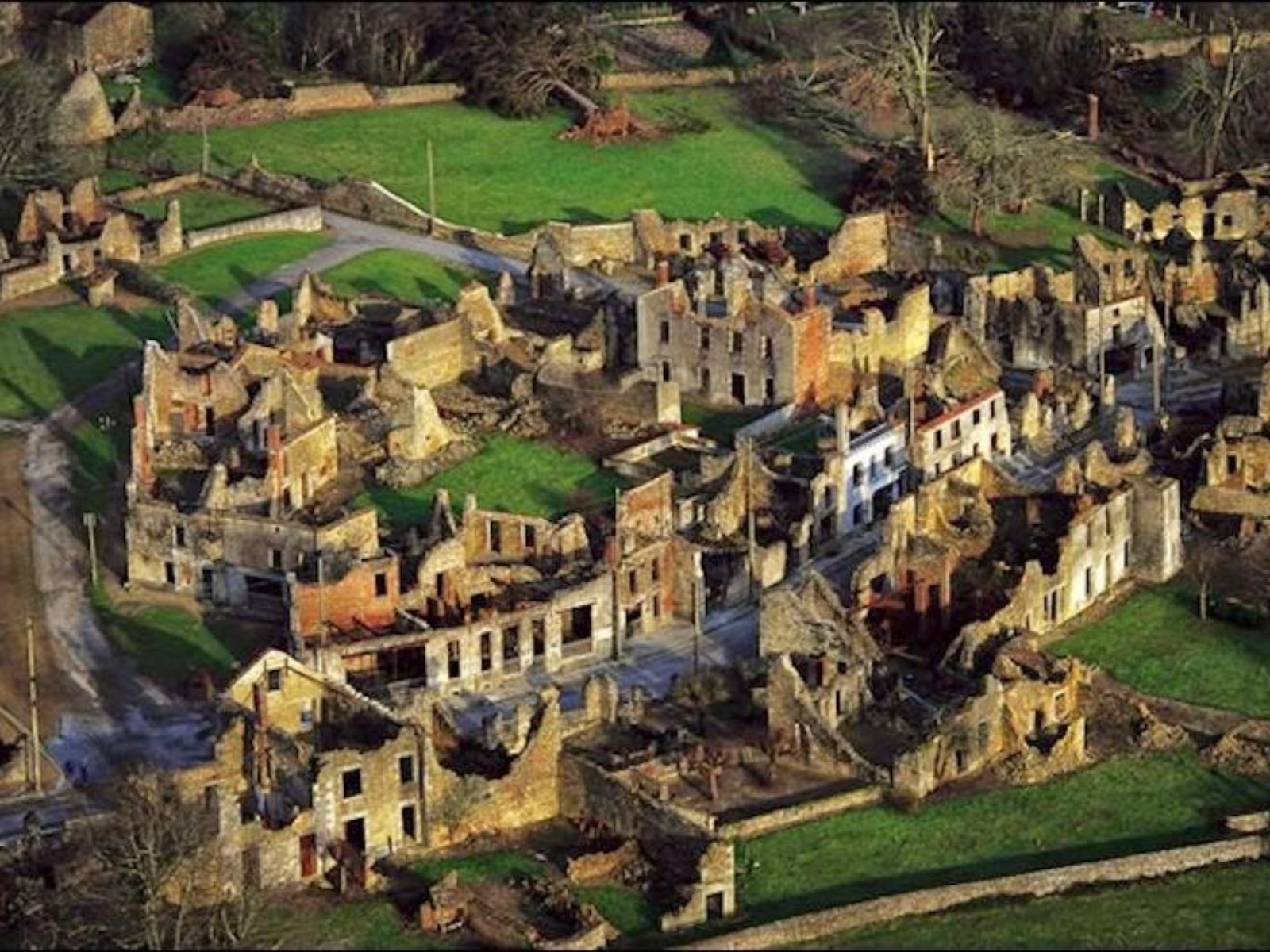
Aerial view of the ruins of Oradour-sur-Glane, preserved to this day as a permanent memorial.
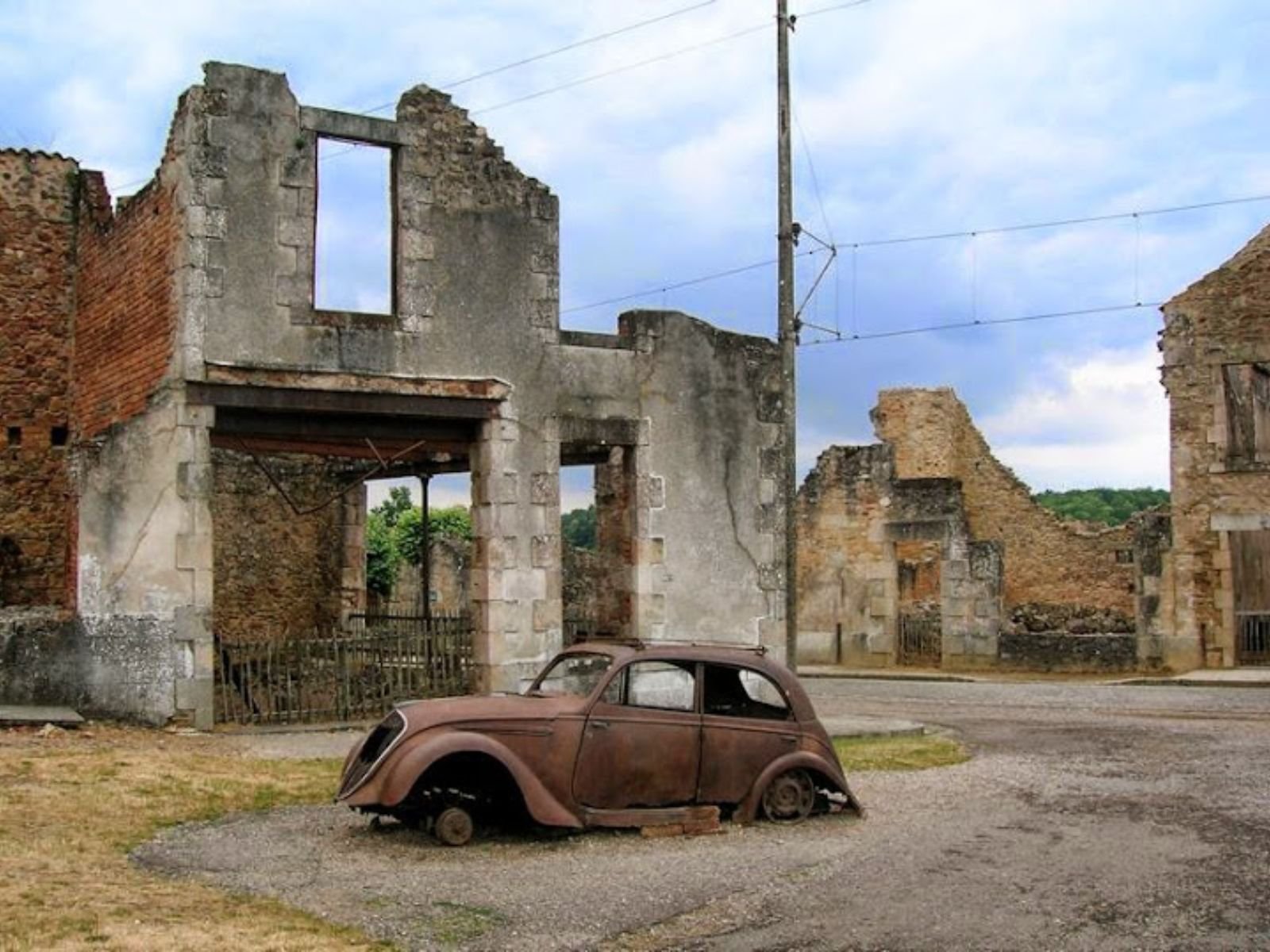
After the war, President Charles de Gaulle ordered that the ruins of Oradour-sur-Glane be preserved in their original state, as a permanent memorial to Nazi barbarity. A new village was built nearby, but the old one remains an open-air museum, a “martyred village” that draws around 300,000 visitors a year.
Today, 80 years on, the ruins face a new enemy: time. The buildings are crumbling and the vegetation is advancing. In 2024 the French government launched a major conservation effort, at an estimated cost of 19 million euros, to ensure that the stones go on telling their silent story. As Agathe Hébras, granddaughter of the last survivor, put it, “the only witnesses to the massacre are these stones”. The Centre de la Mémoire, opened in 1999, serves as an interpretation centre, placing the massacre and its legacy in context for new generations.
On 10 June 2024, at the commemoration of the 80th anniversary, the presidents of France and Germany stood together at Oradour, a powerful symbol of reconciliation built on the memory of one of the most terrible atrocities of the war. The preservation of Oradour-sur-Glane serves as a universal reminder that, in war crimes, it is always the civilian population that pays the highest price, and that memory, however painful, is the only safeguard against the repetition of history.
Read Also
Bibliographic References
- “Oradour-sur-Glane: Martyred Village.” The National WWII Museum. https://www.nationalww2museum.org/war/articles/oradour-sur-glane-martyred-village.
- “Robert Hébras, the Last Survivor of the Oradour-sur-Glane Massacre, Has Died.” Le Monde. https://www.lemonde.fr/en/obituaries/article/2023/02/12/robert-hebras-the-last-survivor-of-the-oradour-sur-glane-massacre-has-died_6015353_15.html.
- “France Seeks to Save Nazi Massacre Village from Decay.” France 24. https://www.france24.com/en/live-news/20240530-france-seeks-to-save-nazi-massacre-village-from-decay.
- “Oradour-sur-Glane.” United States Holocaust Memorial Museum. https://encyclopedia.ushmm.org/content/en/article/oradour-sur-glane.
- “A Comprehensive History of the Massacre.” Oradour.info. https://www.oradour.info.
- The World at War. Created by Jeremy Isaacs; narrated by Laurence Olivier; Thames Television for ITV. Episode 1, “A New Germany: 1933–1939” (dir. Hugh Raggett), includes the Oradour-sur-Glane prologue; Episode 26, “Remember” (dir. David Elstein), reprises it. https://en.wikipedia.org/wiki/The_World_at_War.