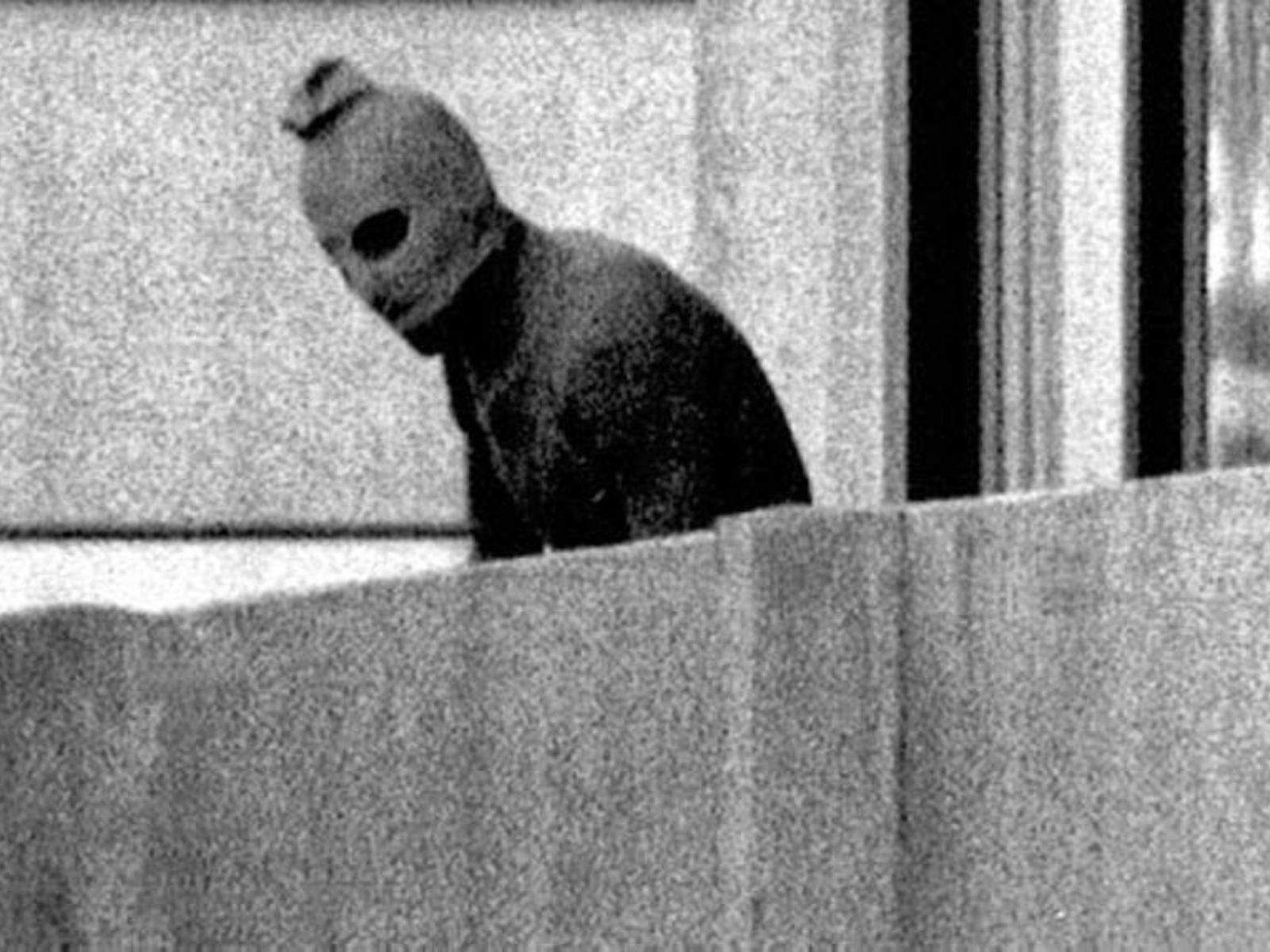
On 5 September 1972, the world watched in horror as the greatest symbol of peace and global unity, the Olympic Games, was turned into a stage for terror. The Munich Massacre was not only a terrorist attack but also an event that changed for ever the way the world thinks about security, the media and the conflict in the Middle East. The iconic image of a masked terrorist on the balcony of the Olympic Village, broadcast live to 900 million people, became the dark symbol of a new era of globalised violence.
A Divided Germany: The “Cheerful Games” Meant as an “Antidote”
The 1972 Munich Games were conceived as an antidote to the Berlin Olympics of 1936, which had been exploited by Nazi propaganda. West Germany wanted to present the world with an image of democracy, optimism and, above all, peace, under the motto “Die Heiteren Spiele” (the Cheerful Games). Security was deliberately relaxed, with unarmed guards and an atmosphere of openness. That idyllic vision ignored the geopolitical tensions of the time, especially the growing conflict between Israel and Palestine. Security was so loose that athletes could easily climb the fences of the Olympic Village, a fact the terrorists exploited.
The Raid on the Village: The End of the Olympic Spirit
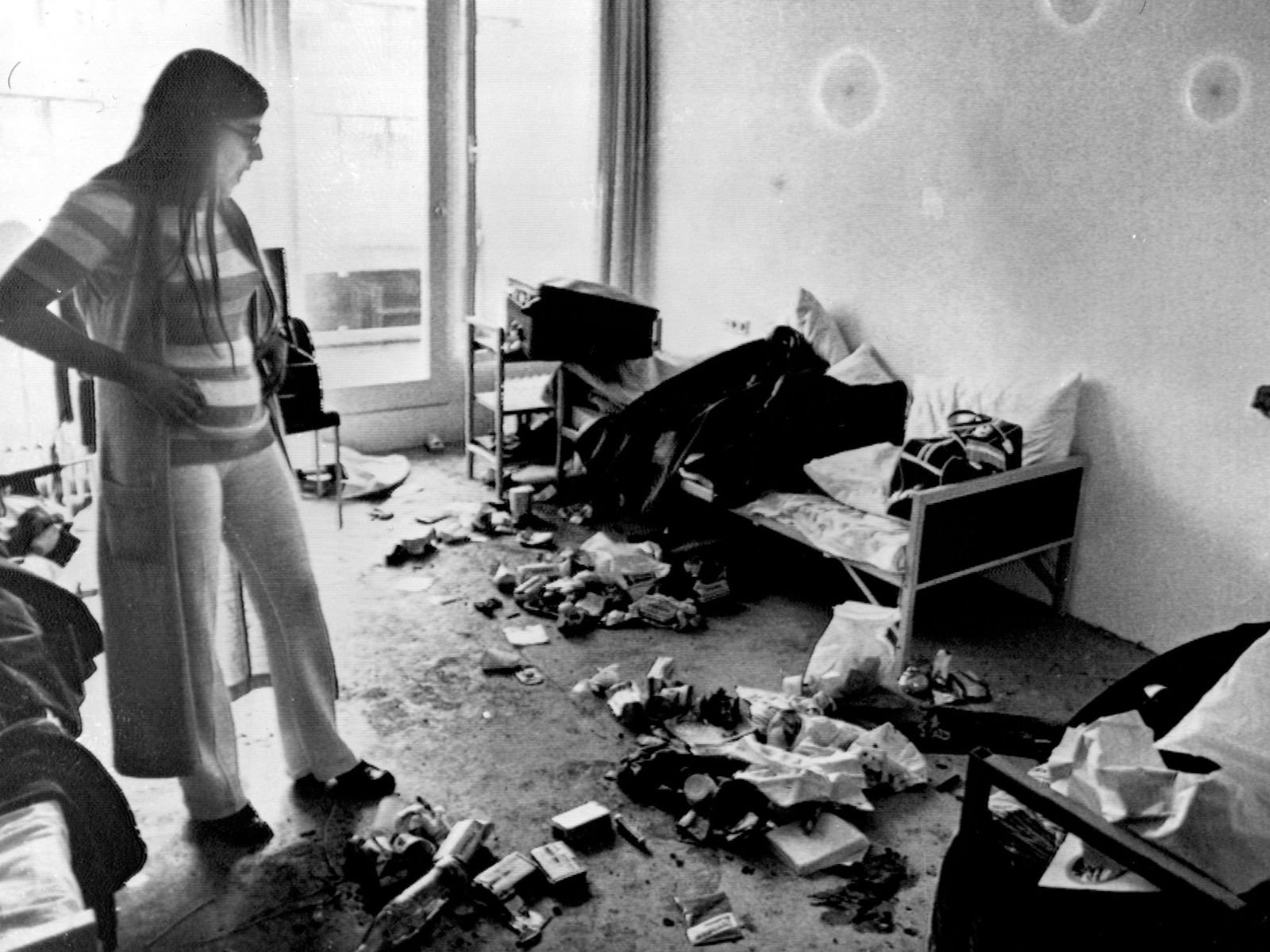
Interior of the Israeli delegation’s flat at Connollystrasse 31, in the Munich Olympic Village, after the terrorist raid of 5 September 1972. The photograph, taken after the massacre, shows scattered belongings, marks of violence and the remains of interrupted lives, a silent testimony to the moment when the sanctuary of Olympic peace was profaned by hatred and real-world politics.
At 4.30 in the morning of 5 September, eight members of the Palestinian terrorist group Black September, an arm of the Palestine Liberation Organisation (PLO), climbed the fence of the Olympic Village. Disguised as athletes and using stolen keys, the terrorists broke into the Israeli delegation’s flat at Connollystrasse 31. The initial resistance was brutally crushed: Moshe Weinberg, the wrestling coach, and Joseph Romano, a weightlifter, were murdered. Nine other members of the delegation were taken hostage. The terrorists’ demands were clear: the release of more than 200 Palestinian prisoners held in Israel and safe passage to Cairo, Egypt.
Media Coverage: The World Watches Live
The Munich Massacre was the first major televised terrorist event in history. For 21 hours the world watched, transfixed, as the crisis unfolded. The American journalist Jim McKay, of ABC, became the voice of the tragedy, anchoring the broadcast for 14 consecutive hours. That unprecedented exposure amplified the horror of the event and also demonstrated the power of the media as a tool for terrorists. As a result, the number of active international terrorist groups exploded in the following years, rising from 11 in 1968 to more than 50 after Munich.
The Rescue Operation: A Succession of Errors
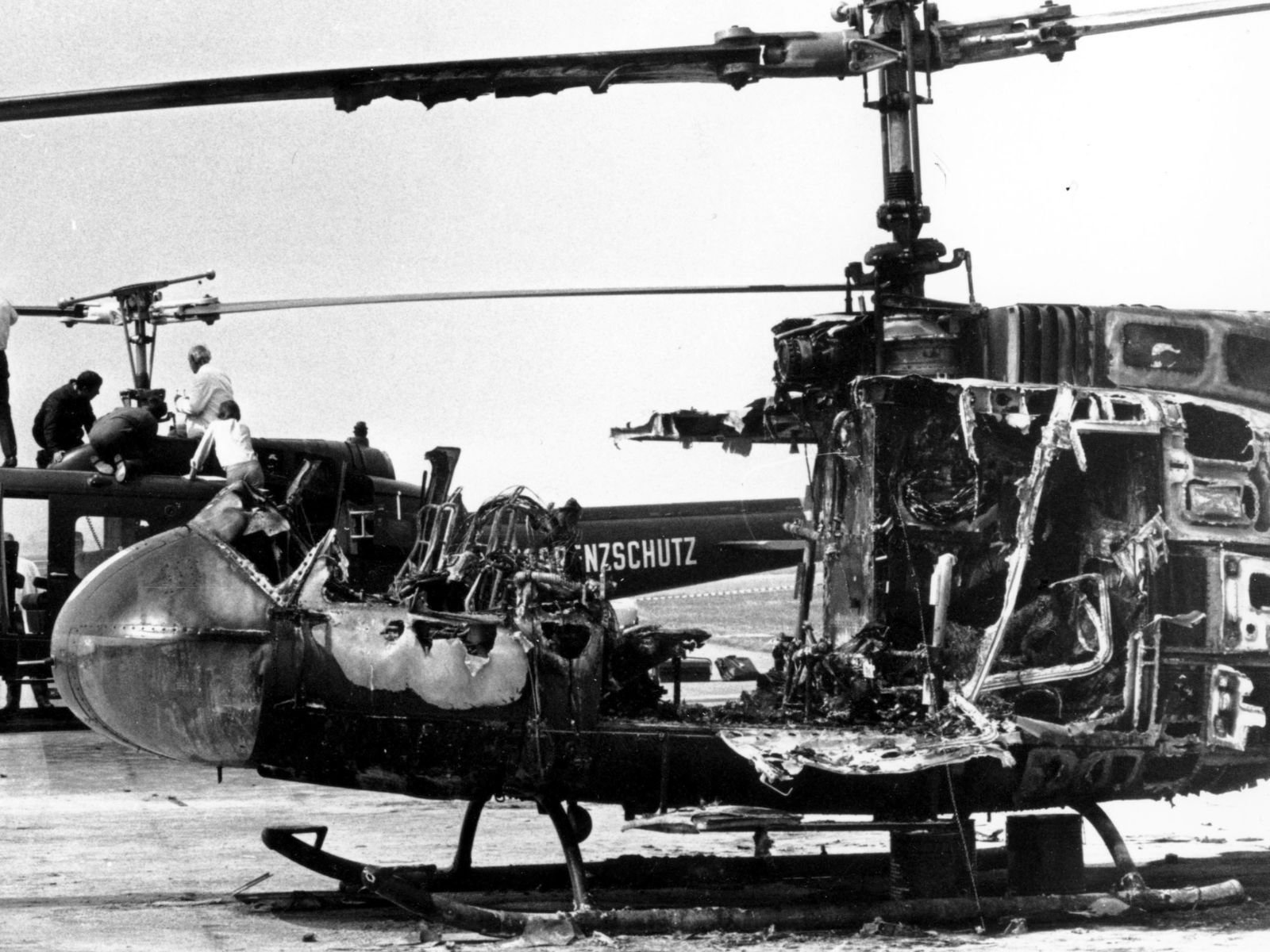
Helicopters at the Fürstenfeldbruck military airfield, where the German rescue attempt ended in catastrophe on the night of 5 September 1972. This image documents the scene of one of the worst executed rescue operations in modern history, a case study in operational failure that would be examined for decades in military and counter-terrorism academies.
The German rescue attempt at Fürstenfeldbruck airfield is a case study in operational failure. The German police, unprepared for a crisis of that magnitude, made a series of fatal mistakes: marksmen without proper training in counter-terrorist combat, inadequate weapons (hunting rifles instead of precision arms), lack of communication between units, no night vision equipment and a fundamentally flawed rescue plan.
The team of disguised police officers who were supposed to ambush the terrorists inside the Boeing 727 abandoned the mission at the last minute, but nobody told the marksmen positioned around the airfield. The armoured cars that had been requested arrived too late. When the marksmen opened fire, the terrorists responded by throwing grenades into the helicopters where the hostages were tied up.
The result was the death of all nine remaining Israeli hostages, five of the eight terrorists and one German police officer. At 3.24 in the morning of 6 September, Jim McKay spoke the words that summed up the tragedy: “They’re all gone.” This photograph captures the place where the hope of a peaceful ending died along with the Israeli athletes.
Aftermath: “Wrath of God” and the Legacy of Munich
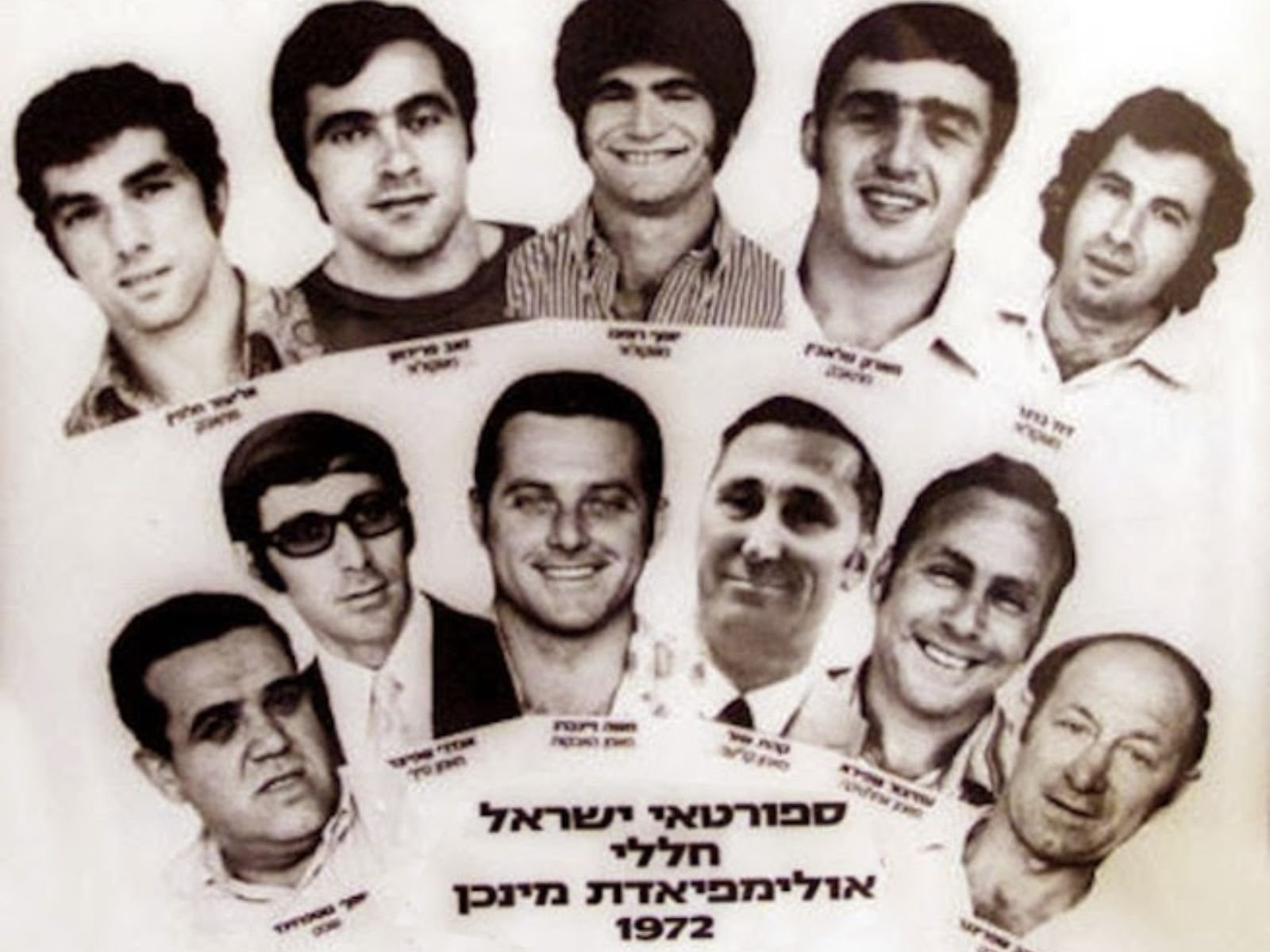
Photographs of the 11 members of the Israeli delegation killed in the Munich attack. Moshe Weinberg, Jakov Springer, Eliezer Halfin, Amitzur Shapira, Mark Slavin, Kehat Shorr, Joseph Gottfreund, André Spitzer, David Berger, Zeev Friedman and Joseph Romano.
Israel’s response was swift and relentless. Prime Minister Golda Meir authorised Operation “Wrath of God”, a campaign of targeted assassinations carried out by Mossad that lasted more than 20 years, hunting down and eliminating those responsible for the massacre. In terms of security, the Munich disaster led to the creation of GSG 9, Germany’s elite counter-terrorism unit, which became a model worldwide. The Olympic Games and other major international events would never be the same, with security becoming a top priority.
A Lasting Legacy: An Open Wound
The Munich Massacre left a deep wound in the history of sport and of international relations. It was a brutal reminder that not even the Olympic spirit is immune to the hatred and violence of the real world. The event exposed the vulnerability of open societies and forced a global reassessment of counter-terrorism strategies. More than 50 years on, the image of the masked terrorist on the balcony still haunts collective memory, a tragic symbol of lost innocence and of the day terror invaded the sanctuary of world peace.
Read Also
Bibliographic References
- “Munich Massacre.” Britannica. https://www.britannica.com/event/Munich-Massacre.
- Bowcott, Owen. “Police Used ‘Wrong Guns’ at Munich.” The Guardian. https://www.theguardian.com/uk/2003/jan/01/sport.owenbowcott.
- Doubek, James. “50 Years Ago, the Munich Olympics Massacre Changed How We Think about Terrorism.” NPR. https://www.npr.org/2022/09/04/1116641214/munich-olympics-massacre-hostage-terrorism-israel-germany.