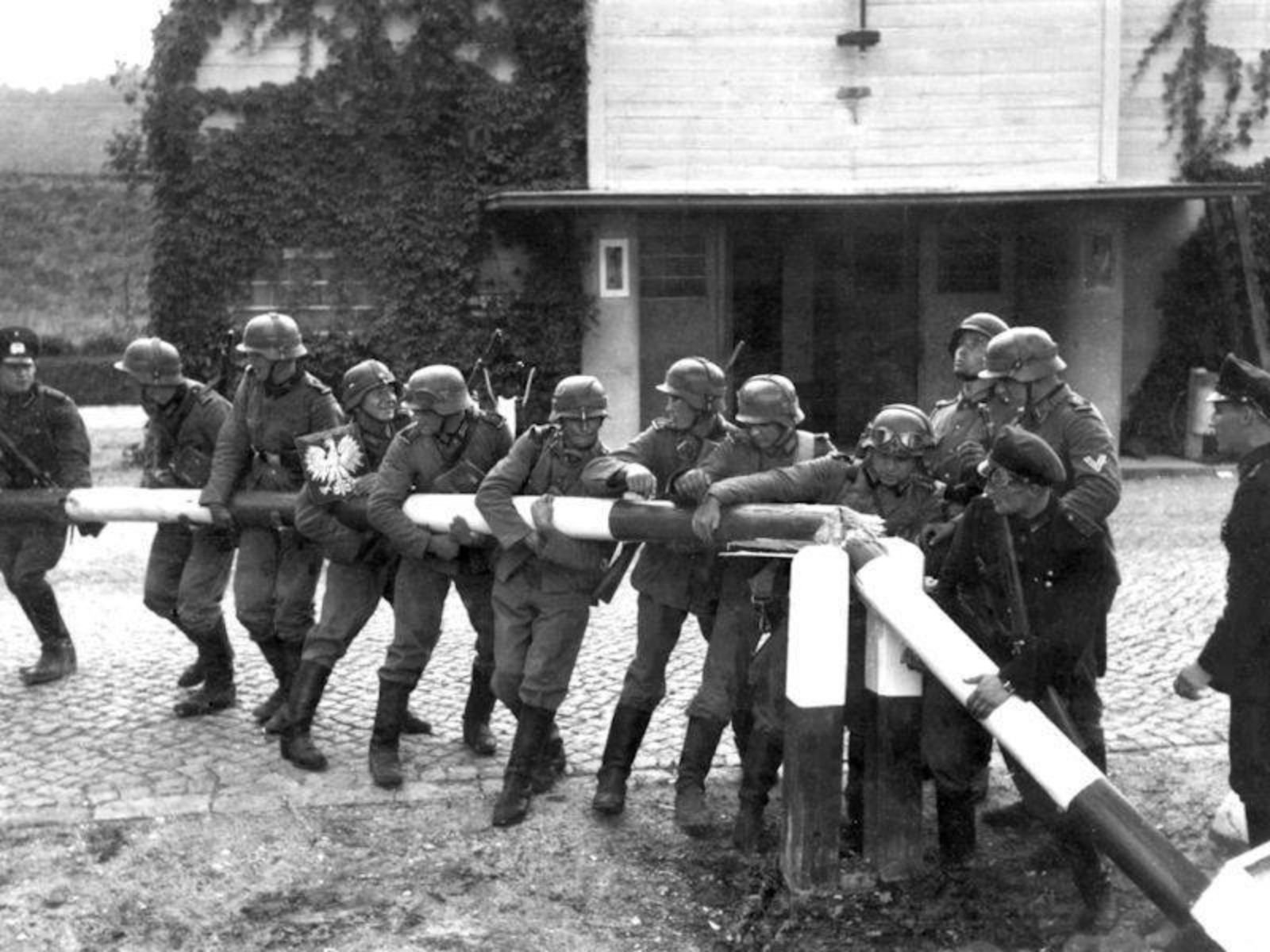
At dawn on 1 September 1939, the world held its breath. Poland, a nation reborn from the ashes of the First World War, became the epicentre of a storm that would engulf the globe. The German invasion, followed by the treacherous Soviet aggression, was not merely the spark of the Second World War; it was the stage for a desperate and heroic resistance, for war crimes that stained the conscience of humanity, and for propaganda myths that endure to this day.
This is the story of how Poland, abandoned by its allies, fought with unshakable bravery against two of the most formidable war machines in history.
The Molotov-Ribbentrop Pact and the Condemnation of Poland
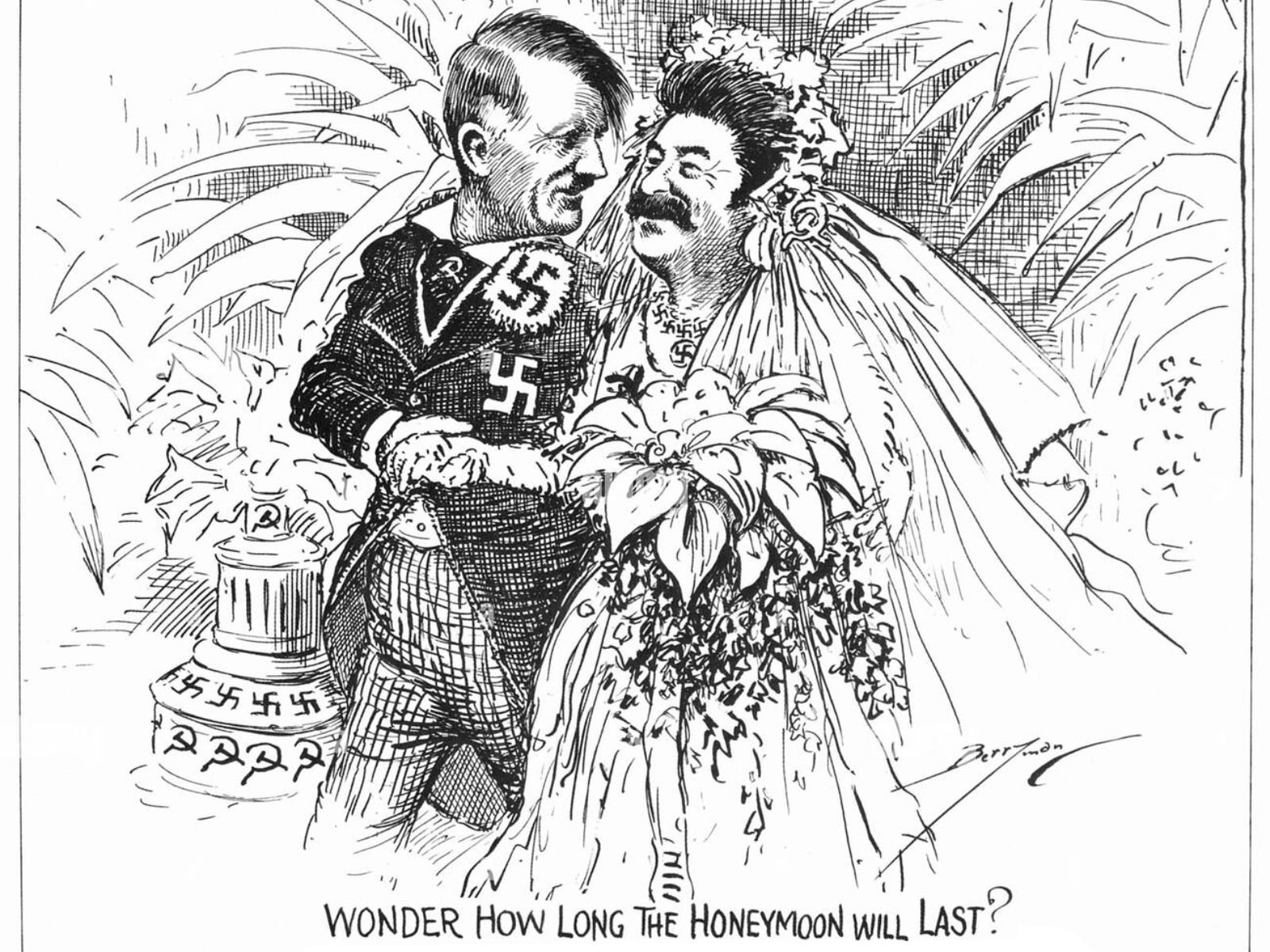
“Wonder How Long the Honeymoon Will Last?”. This is the most famous political cartoon about the Ribbentrop-Molotov Pact. The illustration shows Adolf Hitler (dressed as a groom with a swastika) and Joseph Stalin (dressed as a bride with hammer and sickle) posing as newly-weds, with Hitler holding a bouquet of flowers. In the background there is a wedding cake decorated with swastikas and communist symbols.
A week before the invasion, Nazi Germany and the Soviet Union signed the infamous Molotov-Ribbentrop Pact, a non-aggression agreement that sealed Poland’s fate. The pact’s secret protocols divided Eastern Europe between Hitler and Stalin, with Poland literally wiped off the map. This cynical agreement between two totalitarian regimes showed the world that, when it suited their interests, communists and fascists could collaborate in the destruction of free nations. Poland, which had regained its independence only 21 years earlier, found itself once again in the crosshairs of imperialist powers.
Danzig and the SMS Schleswig-Holstein
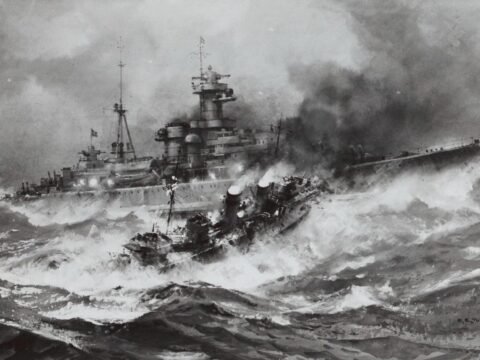
At 4.45 in the morning of 1 September 1939, the German battleship SMS Schleswig-Holstein, anchored in the port of Danzig under the pretext of a “courtesy visit”, opened fire on the Polish military installations on the Westerplatte peninsula. This naval bombardment marked the official beginning of the Second World War.
The German aggression, however, had begun hours earlier, with Luftwaffe air raids on Polish airfields and the bombing of the town of Wieluń, which killed 1,200 civilians. The choice of Wieluń as the first target was no accident: the town had no strategic military value, serving merely as a test for the terror tactics the Nazis would employ throughout the war.
Blitzkrieg: A New Form of War
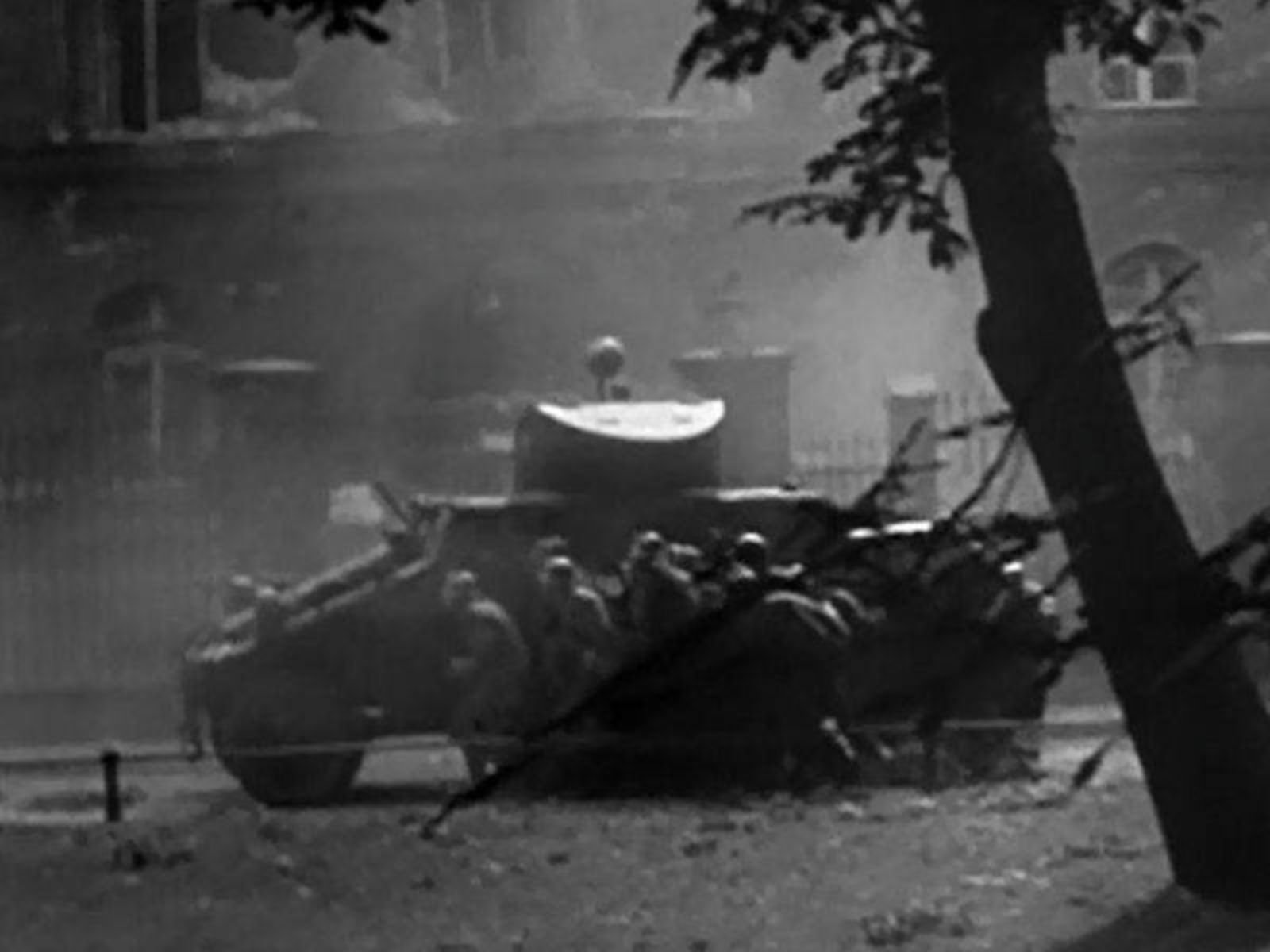
Blitzkrieg: a German tank advances across Polish territory during the fighting of the Second World War.
The invasion of Poland marked the world debut of the Blitzkrieg, the German “Lightning War”. The new military doctrine combined massive air strikes, concentrated armoured divisions and motorised infantry in a coordinated offensive designed to break enemy resistance quickly. More than 1.5 million German soldiers, supported by 2,750 tanks and 2,315 aircraft, advanced simultaneously on multiple fronts. German numerical and technological superiority was overwhelming: while the Luftwaffe dominated the skies with modern fighters, Polish aviation relied mainly on obsolete biplanes. Yet this disparity did not stop the Poles fighting with a determination that surprised even the German generals.
The Pomeranian Cavalry Charge: Debunking Nazi Propaganda
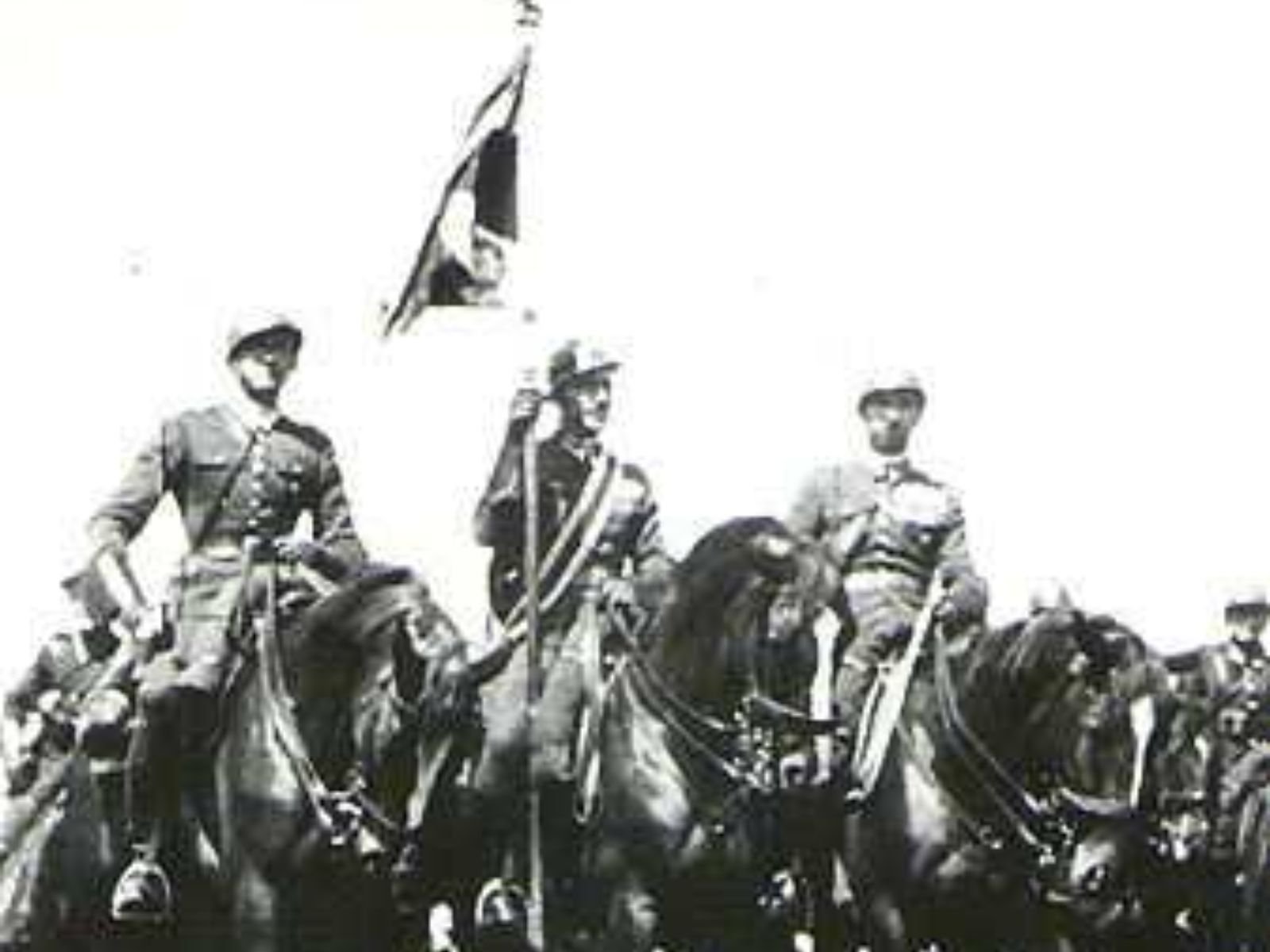
18th Pomeranian Uhlan Regiment. A historical photograph showing Polish cavalry in formation, probably from the 18th Uhlan Regiment that took part in the famous Battle of Krojanty.
One of the most persistent myths of the Second World War is the image of Polish horsemen, armed with lances and sabres, heroically but suicidally charging German tanks. That narrative, widely spread by Nazi propaganda, was created to ridicule the Polish army, portraying it as unprepared and primitive. The truth, however, is far more complex and reveals the tactical effectiveness of the Polish cavalry.
The Battle of Krojanty
The incident that gave rise to the myth occurred at the Battle of Krojanty, on the first day of the invasion. The 18th Pomeranian Uhlan Regiment, under the command of Colonel Kazimierz Mastalerz, came upon a German infantry battalion resting in a clearing near the Chojnice-Runowo railway line. Executing a classic and successful cavalry charge, the 250 uhlans completely scattered the enemy infantry, inflicting heavy casualties. During the pursuit, however, they were surprised by German armoured cars emerging from the forest, forcing the Poles to withdraw. Of the casualties suffered, namely 11 dead and 9 wounded, none was caused by tanks, but rather by the machine guns of the armoured vehicles.
The Pomeranian Uhlans
The Polish cavalry was in fact an elite force, trained to fight dismounted and equipped with anti-tank weapons, machine guns and mortars. The mounted charge was a specific tactic against infantry, not against armour. When German journalists arrived at the scene and saw the bodies of horses and riders, Goebbels’s propaganda distorted the event, creating a false image that unfortunately endures to this day. The German military magazine “Die Wehrmacht” published on 13 September that the Poles had “gravely underestimated German weapons”, resulting in a “grotesque attack” on armoured vehicles. This false narrative served to demoralise the Polish resistance and justify German superiority.
Heroic Resistance: Westerplatte and Warsaw
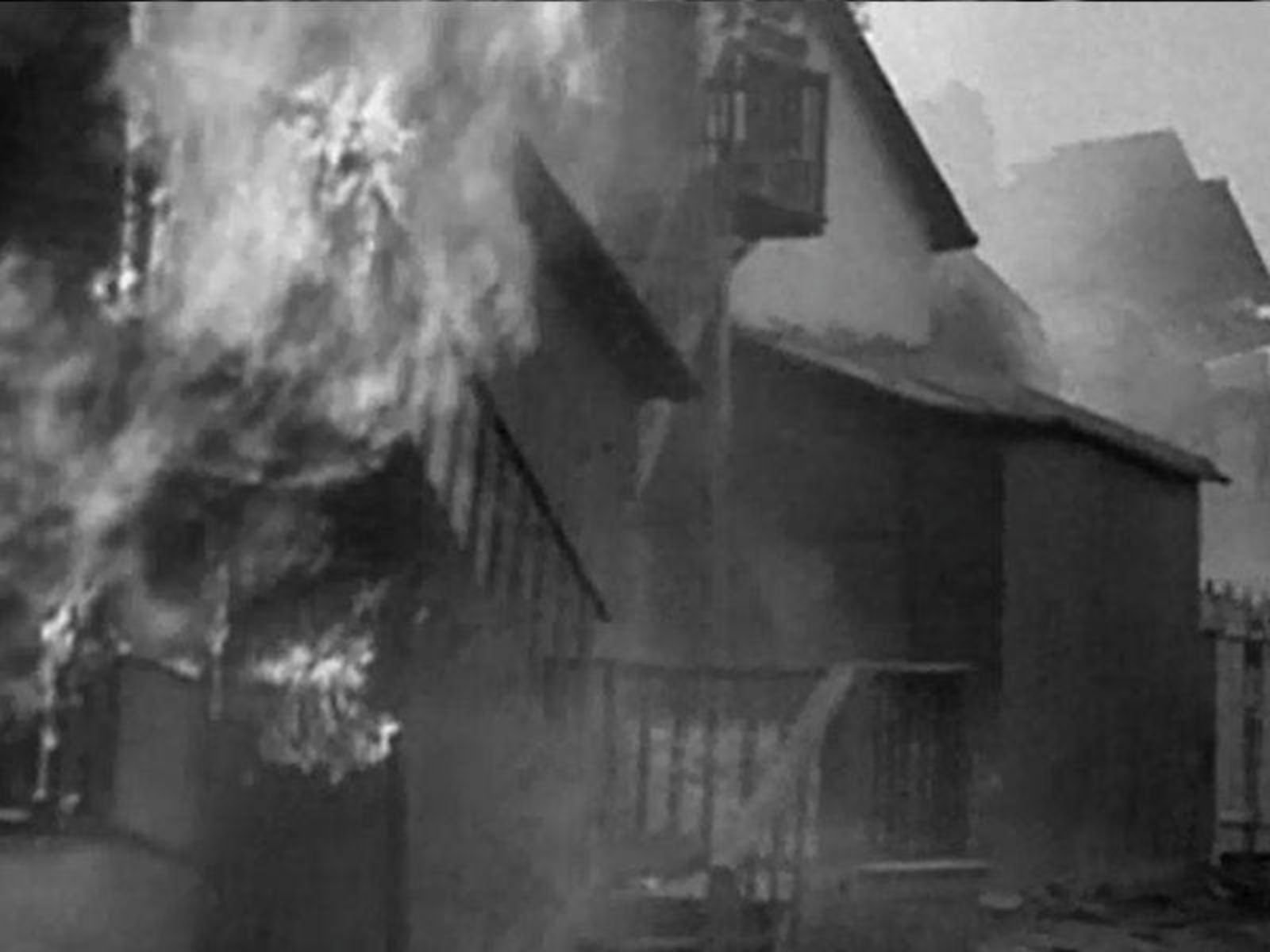
Polish towns left in ruins during the German invasion.
Despite the overwhelming numerical and technological disadvantage, and the abandonment by its allies, Poland did not surrender without a fight. The defence of Westerplatte became a symbol of Polish resistance. A garrison of only 182 soldiers, commanded by Major Henryk Sucharski, held out for seven days against naval bombardment, air attacks and ground assaults by a vastly superior German force. The defenders, entrenched in bunkers and casemates, repelled multiple attacks, inflicting heavy losses on the Germans. When they finally surrendered on 7 September, they had exhausted their ammunition and supplies, but not their honour.
The Battle of Warsaw
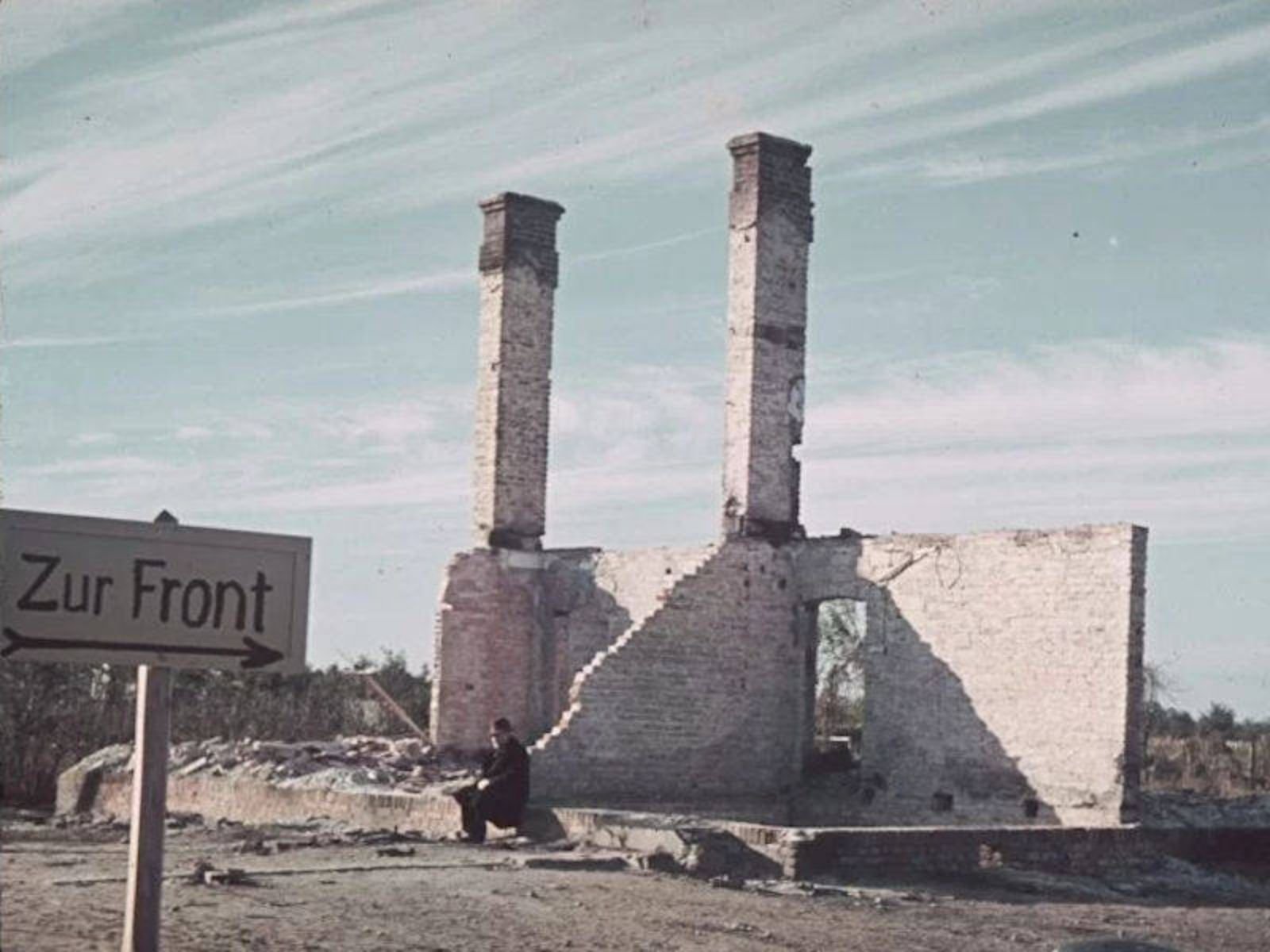
Ruins near the city of Warsaw in 1939. The sign points towards the battle front. Photo: Hugo Jaeger.
The defence of Warsaw was even more epic. The Polish capital resisted for 27 days, with civilians and soldiers fighting side by side at the barricades. Mayor Stefan Starzyński organised the civil defence, while General Juliusz Rómmel coordinated the military resistance. Women and children built fortifications while the men fought in the trenches. The Germans, frustrated by the resistance, resorted to the indiscriminate bombing of the city, killing thousands of civilians. When Warsaw finally capitulated on 28 September, it lay in ruins, but it had shown the world that the Polish spirit was unbreakable.
A Stab in the Back: The Soviet Invasion
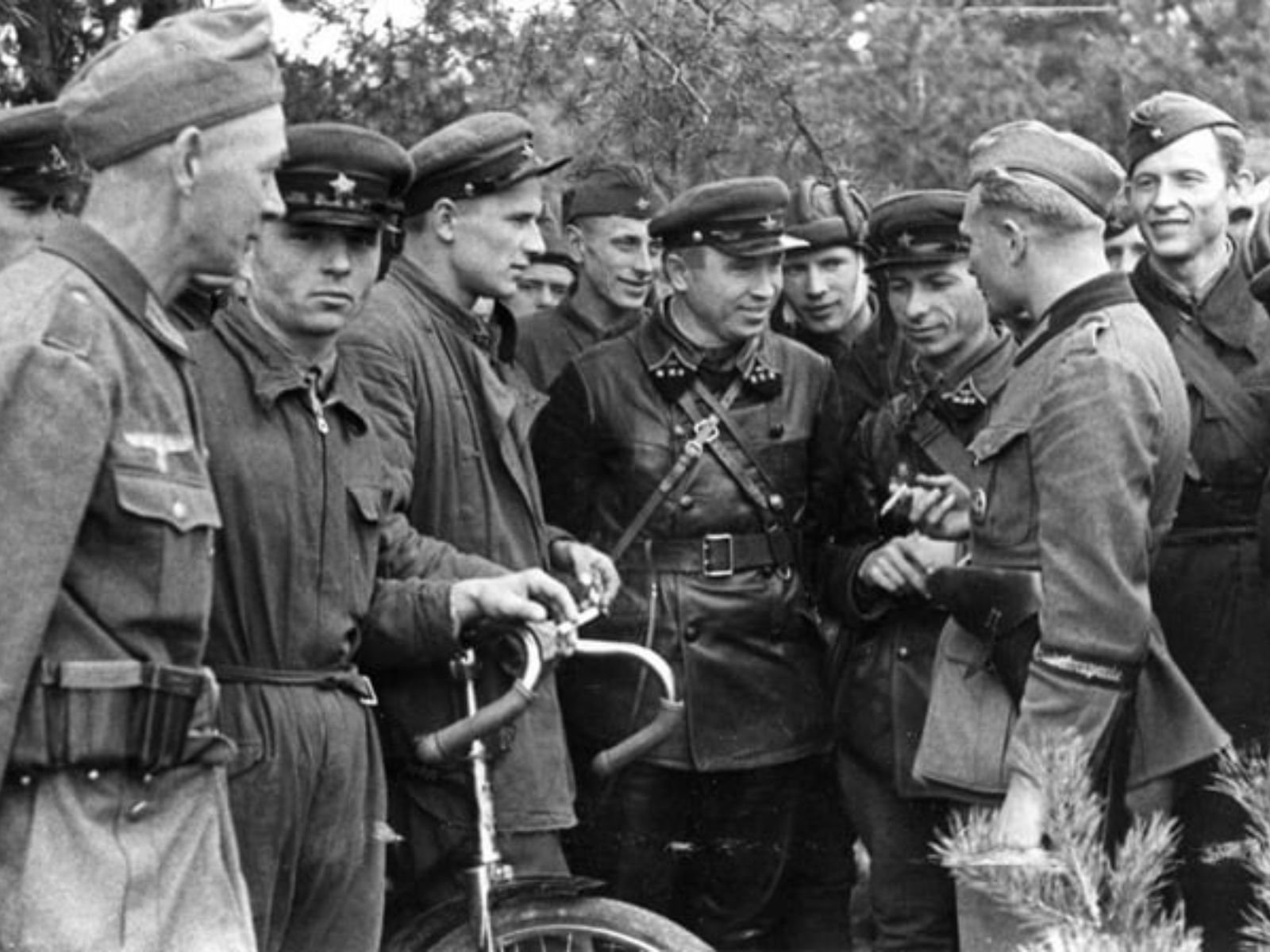
A historical photograph showing Soviet officers (left) and German officers (right) fraternising after the joint capture of the Polish city of Brest-Litovsk. The officers appear to be talking amicably, with a German officer at the centre. Brest-Litovsk was initially captured by the Germans on 14 September 1939. On 22 September the city was handed over to Soviet control as agreed in the Ribbentrop-Molotov Pact.
While Poland fought desperately against the overwhelming German Blitzkrieg in the west, a second threat was materialising in the east. On 17 September 1939, fulfilling the secret protocols of the Molotov-Ribbentrop Pact, the Soviet Union invaded Poland. With more than half a million soldiers of the Belorussian and Ukrainian Fronts, Stalin delivered the final blow against an already exhausted nation. Moscow’s official justification, to “protect the Ukrainian and Belorussian populations”, was a cynical farce. The invasion was a stab in the back, sealing Poland’s fate and dividing its territory between two tyrants.
The Soviet invasion was particularly treacherous because it came when Polish forces were concentrated on the western front, fighting the Germans. The Polish government, which had withdrawn to the south-east of the country, suddenly found itself surrounded by two enemies. Polish resistance in the east was disorganised and sporadic, not because the soldiers were cowards, but because they were caught completely by surprise. Many Polish officers, believing the Soviets were coming as allies against the Germans, were easily captured. This would prove a fatal mistake, as later events would tragically demonstrate.
The Systematic Destruction of the Polish Nation
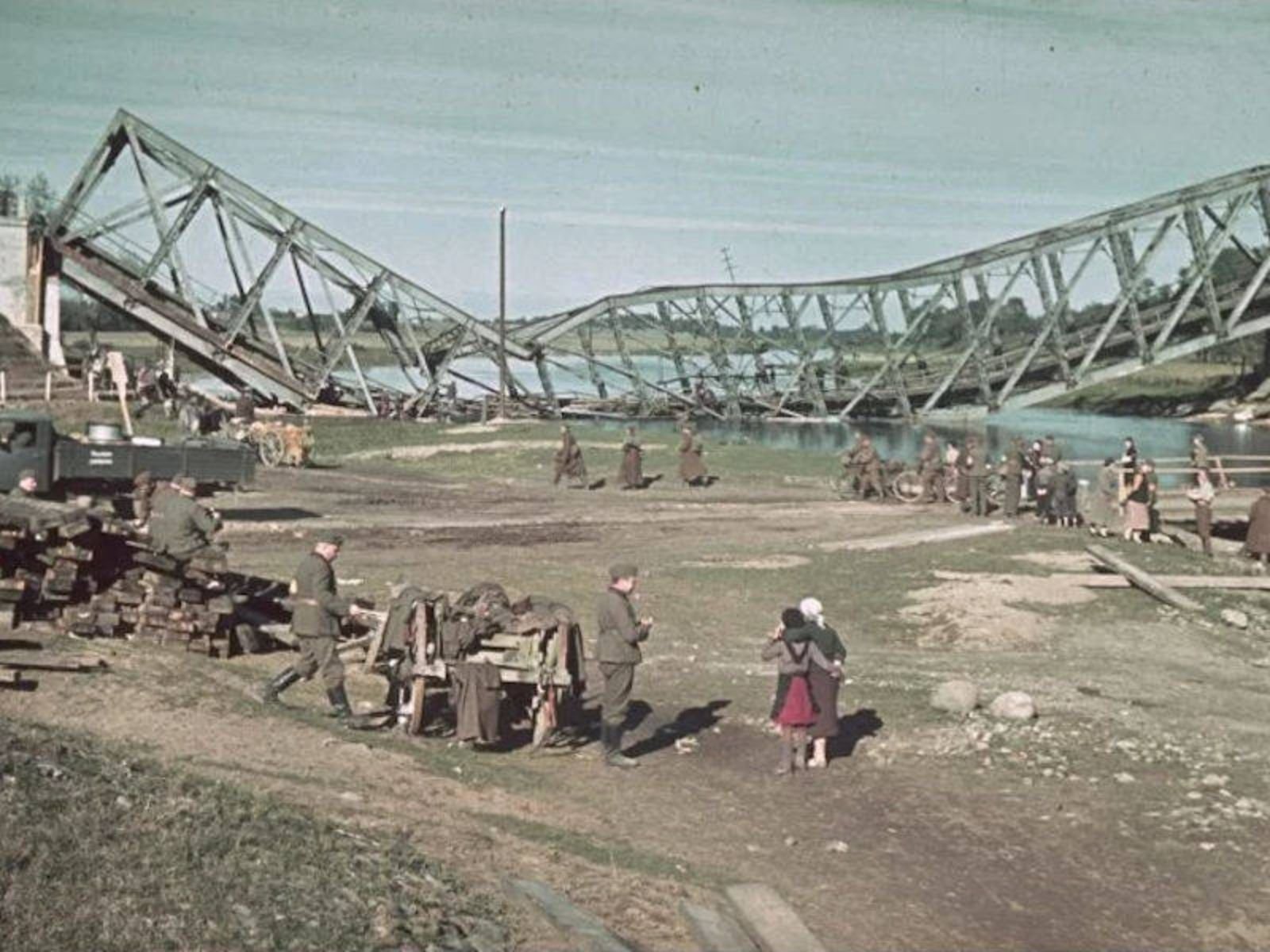
Ruins of a bridge destroyed by German troops near Sochaczew, Poland, 1939.
The September 1939 campaign was not merely a military conquest; it was the beginning of a planned genocide. Both Germans and Soviets had detailed plans for the elimination of Polish national identity. The German Generalplan Ost envisaged the enslavement or extermination of 85% of the Polish population, while the Soviets carried out mass deportations to the Siberian Gulag. An estimated 1.5 million Poles were deported by the Soviets between 1939 and 1941, with hundreds of thousands dying of hunger, cold and exhaustion in the forced labour camps.
The destruction was not only physical but also cultural. Polish schools were closed, the Polish language was banned, churches were destroyed and intellectuals were systematically eliminated. The aim was to erase Poland from history, turning its territory into German lebensraum in the west and a Soviet republic in the east. Yet the Polish spirit proved more resilient than its occupiers imagined. The underground resistance, which began immediately after the occupation, would grow into the largest resistance movement in occupied Europe.
The Katyn Massacre: Stalin’s Planned Extermination of the Polish Elite
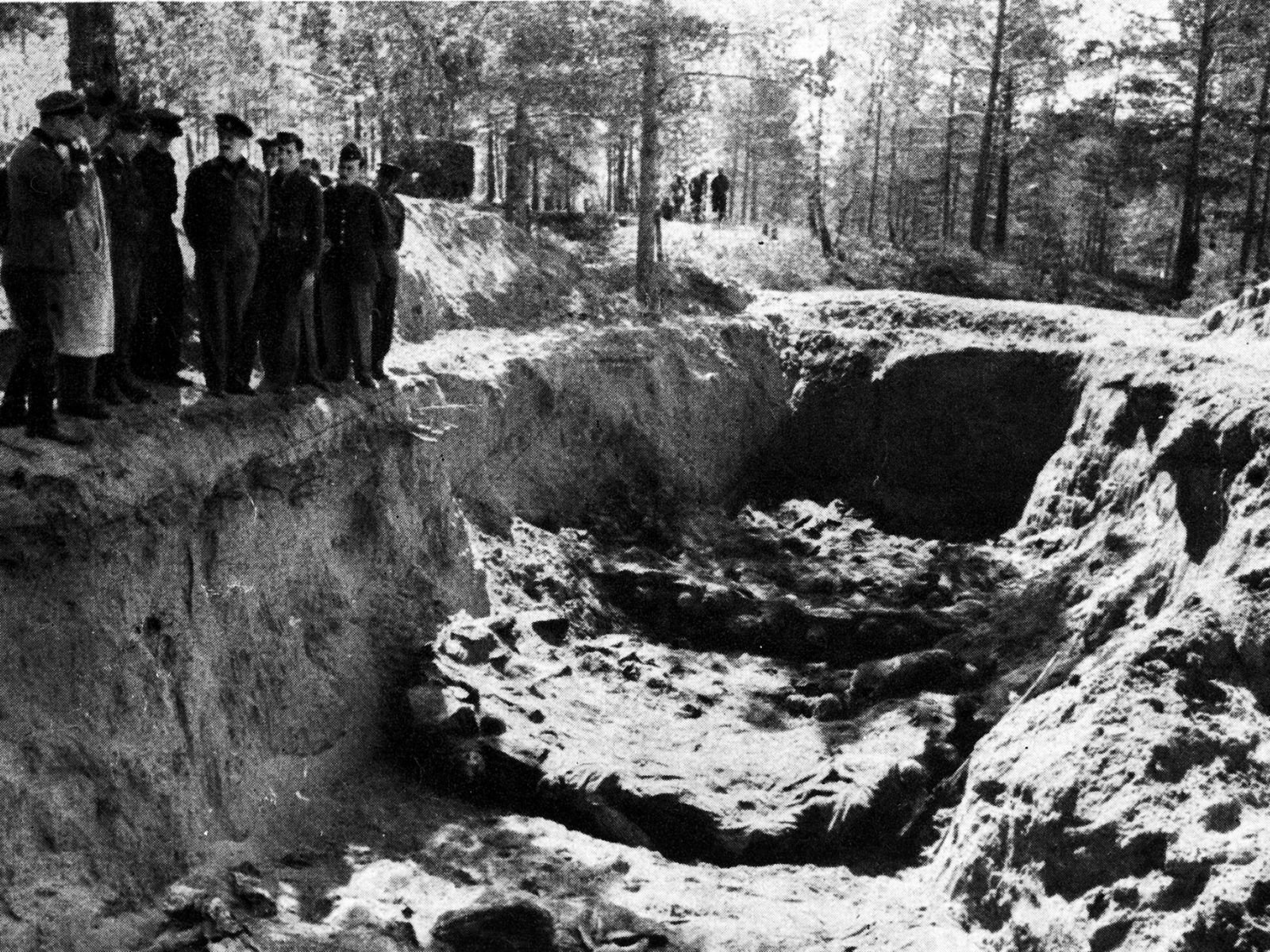
A photograph showing one of the mass graves discovered in the Katyn Forest, with people looking on. Source: Warsaw Institute
The Soviet occupation was marked by a systematic brutality that rivalled that of the Nazis. The most infamous crime was the Katyn Massacre of 1940. On Stalin’s direct orders, approved by the Politburo on 5 March 1940, the NKVD (the Soviet secret police) executed nearly 22,000 Polish officers, intellectuals, policemen, priests and community leaders. The aim was to decapitate the nation, eliminating its thinking and military elite to ease the future Sovietisation of Poland.
The massacres took place at multiple sites: in the Katyn forest, near Smolensk, 4,421 officers were executed; in Kalinin (today Tver), 6,311 policemen and intellectuals; in Kharkiv, 3,820 prisoners; and thousands more at other camps. Each execution was meticulously documented by the NKVD, the prisoners killed with a shot to the back of the head. Discovered by the Germans in 1943, the massacre was cynically denied by the Soviet Union until 1990, blaming the Nazis for the crime. Katyn remains a dark symbol of the betrayal and cruelty inflicted on Poland by the Soviet Union, a crime that poisoned relations between Poles and Russians and endures to this day.
The Conquerors’ Bitter Victory
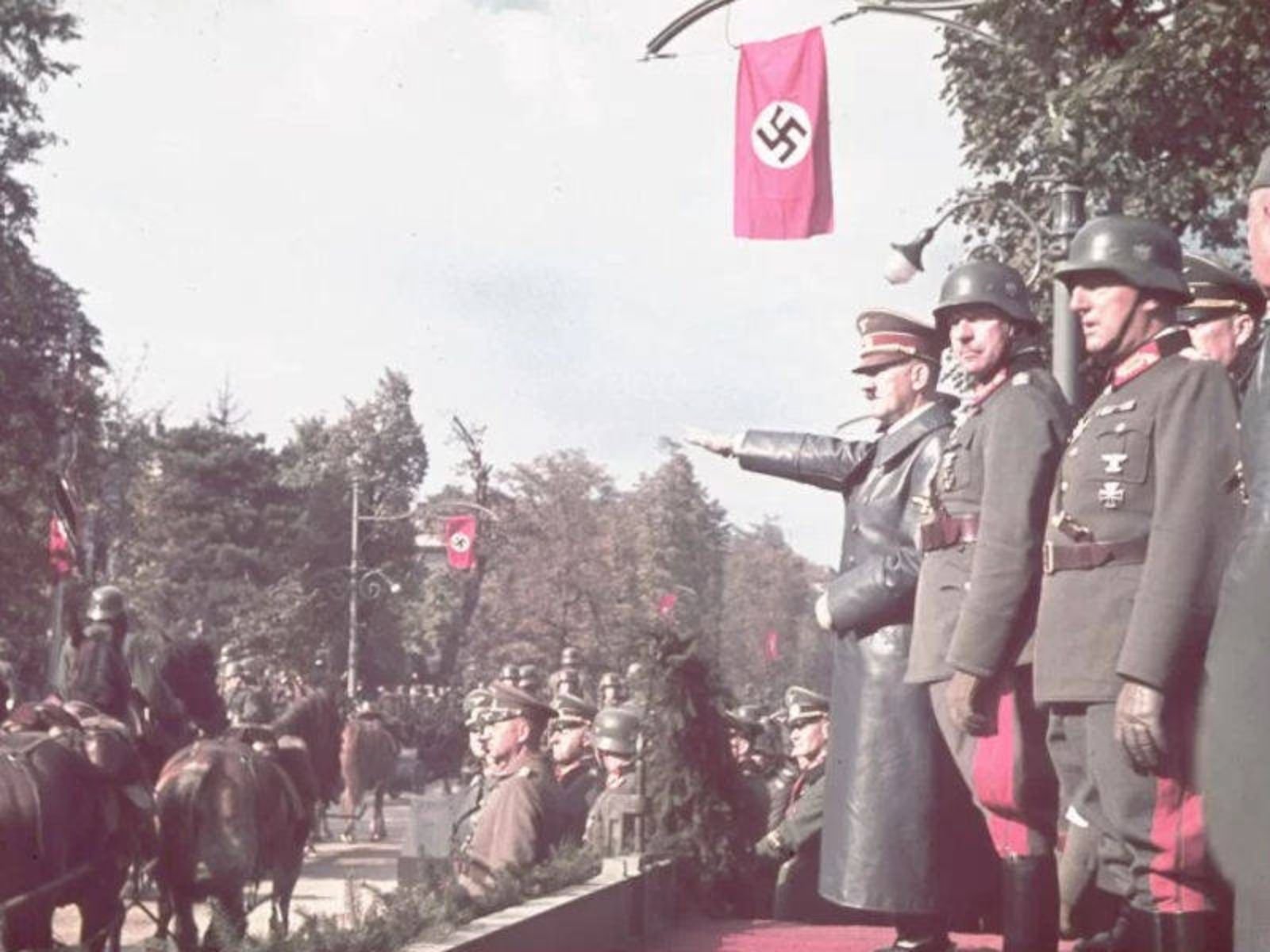
Adolf Hitler during Germany’s victory parade over Poland in Warsaw. Photo: Hugo Jaeger.
On 5 October 1939, Hitler paraded through the devastated streets of Warsaw, celebrating his victory. The German military parade, documented by the Führer’s personal photographer, Hugo Jaeger, showed soldiers marching through a city in ruins, with destroyed buildings and rubble everywhere. The image was symbolic: the German victory had been won, but at a cost that foreshadowed the horrors to come. Polish resistance had been fiercer than expected, and the campaign, which was supposed to last a few days, had stretched to more than a month.
Hitler’s presence in Warsaw was not only a celebration but also a show of power. The German dictator wanted to demonstrate to the world that Germany had re-emerged as a dominant military power. Yet the victory in Poland also revealed the limitations of the German war machine. Many tanks broke down during the campaign, supply lines were stretched to the limit, and German casualties, though smaller than the Polish ones, were significant. The Wehrmacht had won, but not without cost, and the experience in Poland forced the Germans to rethink their tactics for future campaigns.
A Nation in Mourning
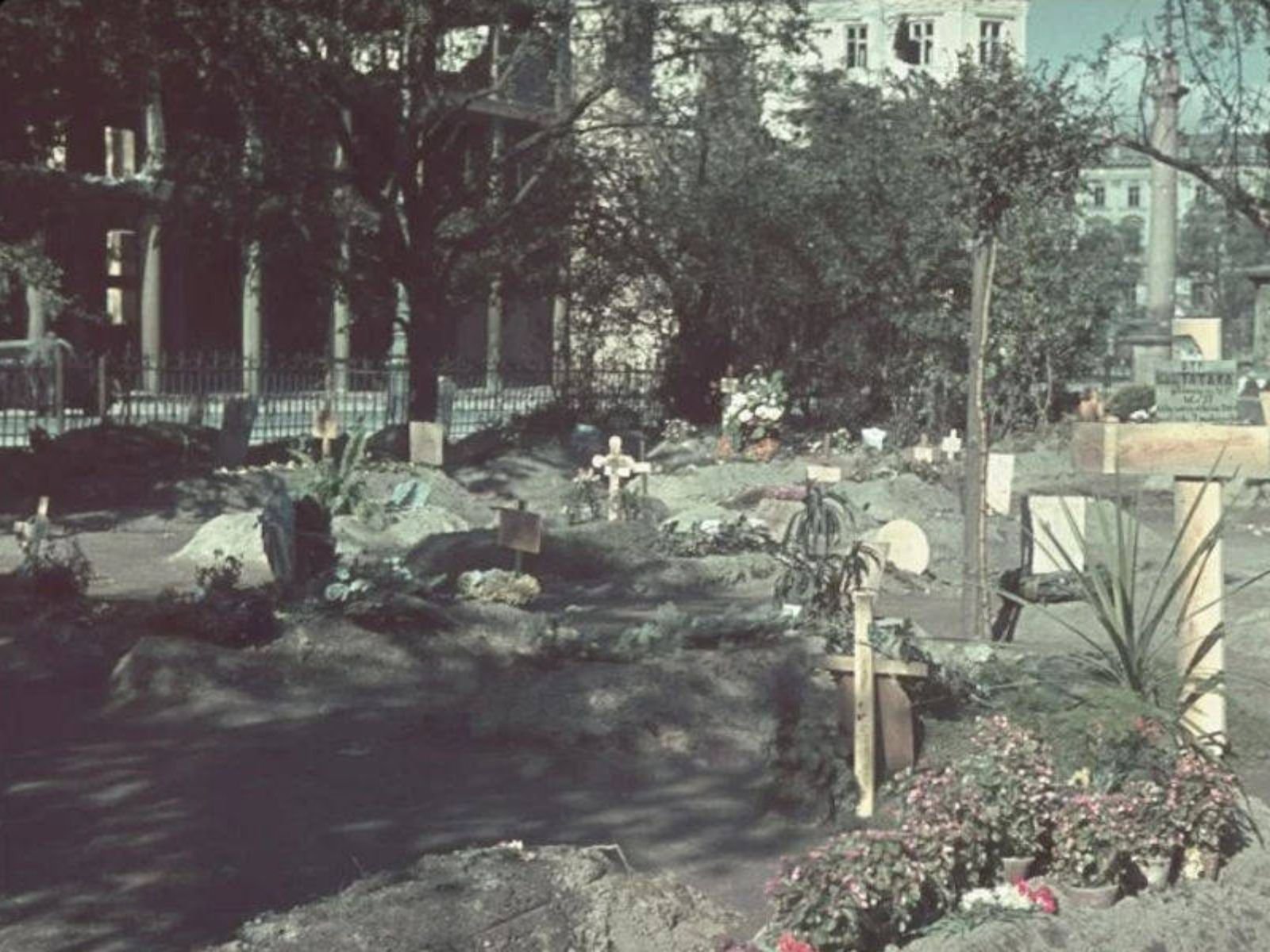
Poles bury their loved ones in parks and streets of Warsaw after the German invasion.
Perhaps the most poignant image of the September campaign is that of Polish civilians burying their dead in the parks and streets of Warsaw. With the cemeteries destroyed by the bombing and the funeral system in collapse, families were forced to bury their loved ones wherever they could. That scene, repeated across occupied Poland, symbolised not only the end of a military campaign but the beginning of a nightmare that would last six years. Yet even in that moment of absolute despair, the Polish people showed their dignity and humanity, honouring their dead even amid the destruction.
The Legacy of the Resistance
The September 1939 campaign was no military stroll for Germany; it was a fierce struggle that demonstrated the indomitable bravery of the Polish people. Though militarily defeated, Poland never officially surrendered. The government-in-exile, established first in Paris and later in London, continued the fight, organising armed forces that would fight on every front of the Second World War. The internal resistance, which began immediately after the occupation, would grow into the largest resistance movement in occupied Europe.
Poland was the first country to resist Nazism, and its resistance cost the occupiers dearly. Throughout the six years of occupation, the Poles never stopped fighting, sabotaging German operations, saving Jews from the Holocaust and keeping the flame of freedom alive. When the war ended in 1945, Poland was devastated but not defeated. The spirit that animated the defenders of Westerplatte and Warsaw in September 1939 would go on inspiring generations of Poles in the struggle for freedom, culminating in the fall of communism in 1989.
Read Also
Bibliographic References
- “Charge at Krojanty.” Wikipedia, The Free Encyclopedia. https://en.wikipedia.org/wiki/Charge_at_Krojanty.
- “Katyn Massacre.” Britannica. https://www.britannica.com/event/Katyn-Massacre.
- “Polish Cavalry Myth Debunked: CNBC vs the Polish Embassy.” Warfare History Network. https://warfarehistorynetwork.com/polish-cavalry-myth-debunked-cnbc-vs-the-polish-embassy/.
- “Records Relating to the Katyn Forest Massacre.” National Archives, 2023. https://www.archives.gov/research/foreign-policy/katyn-massacre.
- “Soviet Union Invades Poland.” History. https://www.history.com/this-day-in-history/september-17/soviet-union-invades-poland.