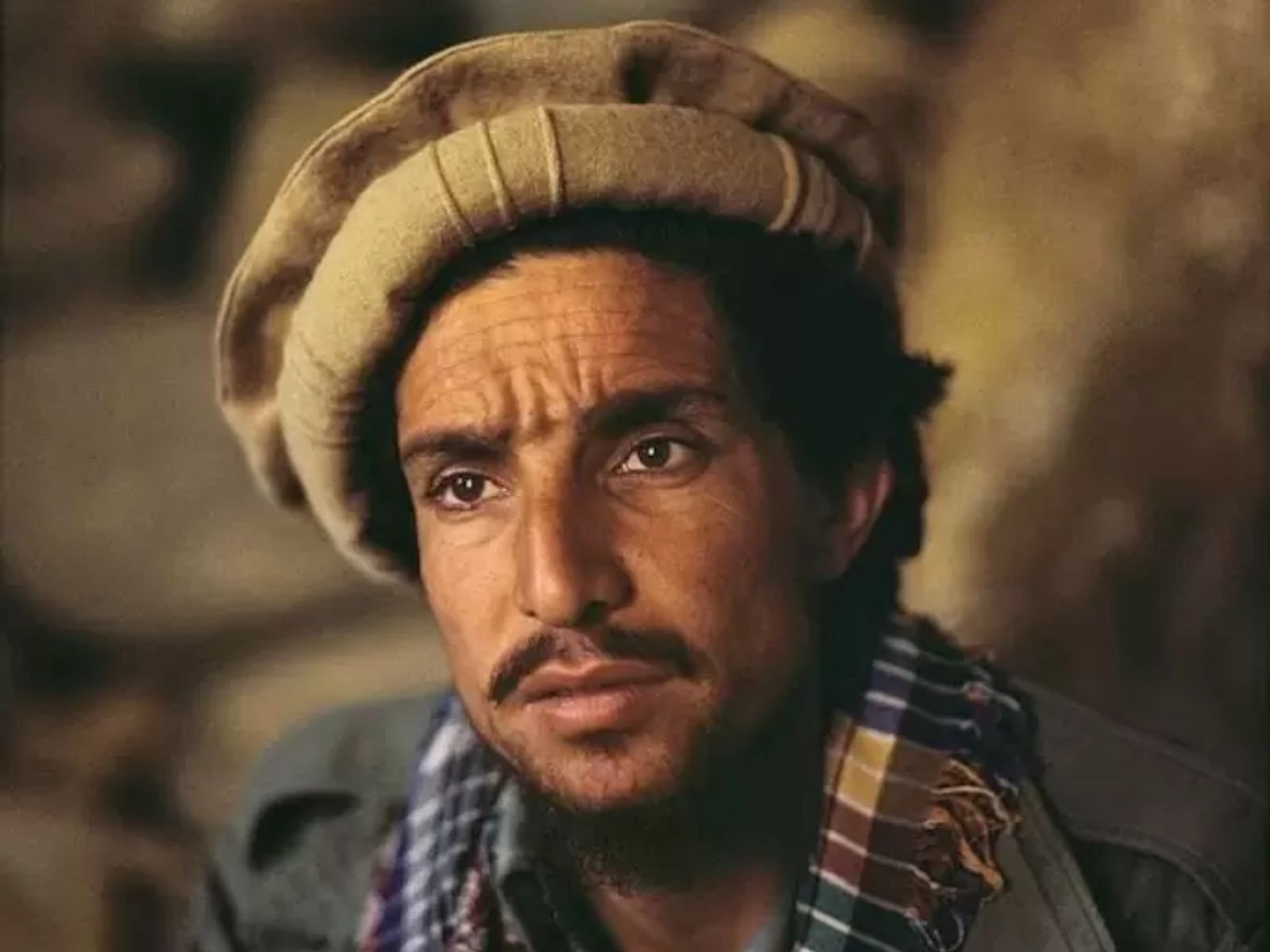
Ahmad Shah Massoud was a political and military leader in Afghanistan. A graduate in engineering from Kabul University, he earned the nickname “Lion of Panjshir” during the Soviet invasion (Soviet-Afghan War, 1979 to 1989), when he successfully repelled eight major Red Army offensives against the Panjshir Valley, the mountainous region in the north of the country where he was born. After the Soviet withdrawal in 1989, Massoud was one of the leaders responsible for maintaining order in Afghanistan in the following years, and served as Minister of Defence.
Ahmad Shah Massoud: The Lion of Panjshir
Always opposed to the extremist militia and to al-Qaeda’s extremist reading of the Koran, he was forced to withdraw with the rest of his troops to northern Afghan territory, where he settled and began armed resistance against the Taliban through the political and military organisation known as the Northern Alliance.
Massoud used all his charisma and popularity to help resolve a civil war in neighbouring Tajikistan, persuading the parties involved to accept a United Nations peace plan. He also opposed the extremist interpretation of Islam and was a defender of democracy, of women’s rights, of the equality of individuals and of a state governed by international law. Because he had fought “Arabs”, the Lion of Panjshir enjoyed greater popularity among Westerners than among Arabs themselves.
Equal Rights for Men and Women
Beyond being a great leader, Ahmad Shah Massoud was a visionary. While trying to navigate rigid Afghan traditions, he knew that the development of his people would only come through education. In contrast to the strict rules imposed by the Taliban across most of Afghan territory, in the areas controlled by Massoud men and women were equal and enjoyed the same rights and duties. Women and girls were allowed to work and to go to school, and were not required to wear the Afghan burqa, the conservative garment covering a woman’s entire body.
Massoud also took a stand against forced marriages and intervened on behalf of women on several occasions. For years, hundreds of thousands of Afghan refugees fled areas controlled by the Taliban and settled in territory held by the Northern Alliance.
The Death of the Lion of Panjshir
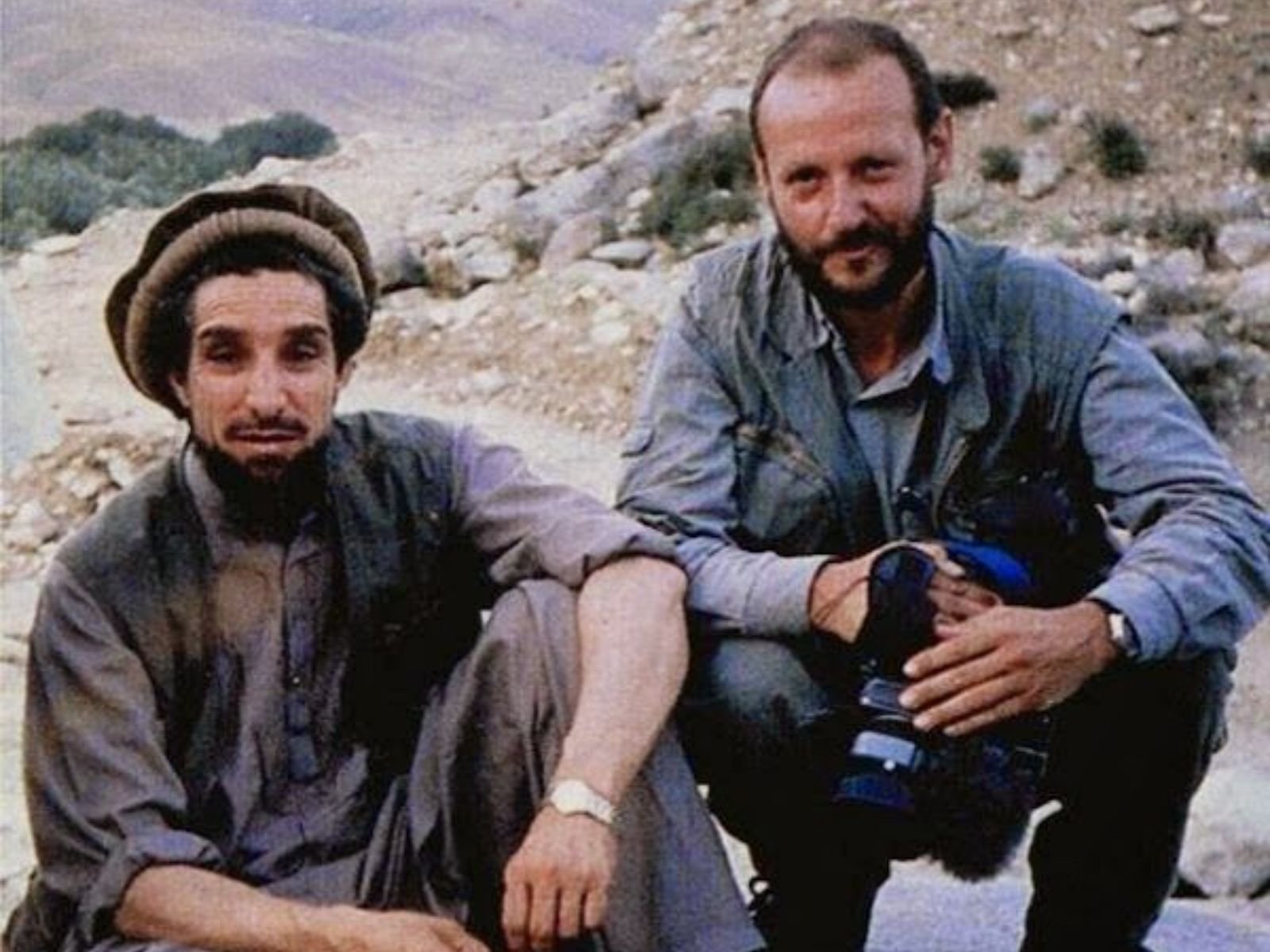
Massoud and the French photographer Christophe de Ponfilly.
On 9 September 2001, just two days before the terrorist attacks on the World Trade Center and the Pentagon in the United States, two Arab suicide bombers posing as reporters from a United Arab Emirates broadcaster detonated their explosives at the very start of the supposed interview, wounding Massoud, who did not survive and died hours later. In the preceding weeks, Massoud had already met with several Afghan tribal leaders and advanced all the preparations for the offensive led by the United States that culminated in the fall of the Taliban. His followers call him Amir Sahib-e Shahid (“our beloved martyred commander”).
Massoud, the Hero of Afghanistan
After his death, Massoud was named “National Hero of Afghanistan” by order of Afghan president Hamid Karzai. The date of his death, 9 September, is a national holiday in Afghanistan known as “Massoud Day”. Many of his followers see him not only as a military commander but also as a spiritual leader. His tomb sits high on a mountain in Panjshir, near where he was born, and is today considered a sacred place by many Afghans. In 2002 he was posthumously nominated for the Nobel Peace Prize.
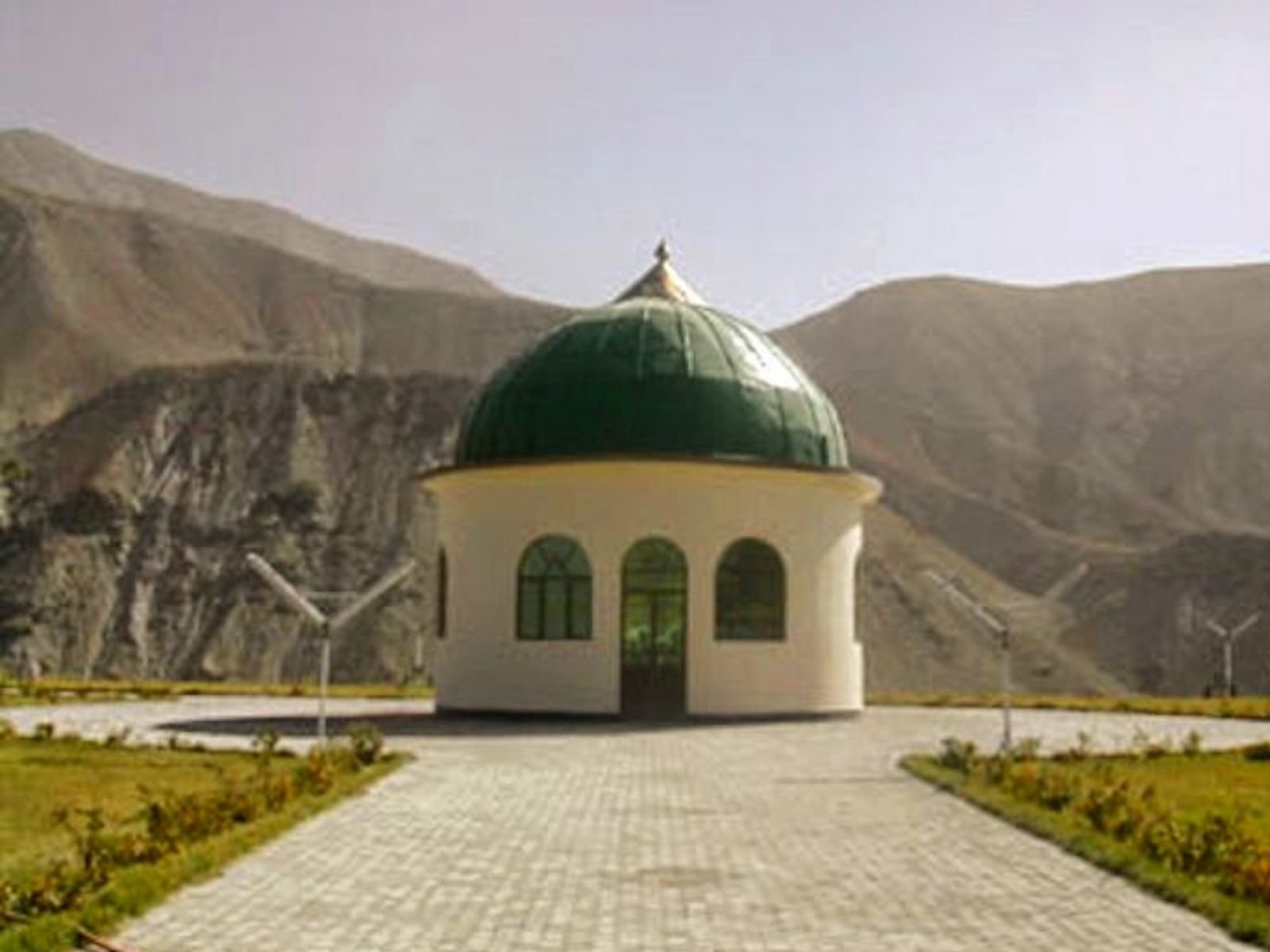
Mausoleum of Ahmad Shah Massoud, on a mountain in the Panjshir Valley.
Read Also
Bibliographic References
- Grad, Marcela. Massoud: An Intimate Portrait of the Legendary Afghan Leader. Webster University Press. https://library.webster.edu/webster-university-press/massoud.
- “Ahmad Shah Massoud: Lion of Afghanistan, Lion of Islam.” YouTube. https://www.youtube.com/playlist?list=PLIAmM7xQAMNlysFt0X5pu94re2BKCK_3-.
- Masoud – O Afegão do Destino. IMDb. https://www.imdb.com/title/tt23867478/.