The denazification of Germany, launched by the Allies in 1945, stands as one of the most ambitious and controversial campaigns of social engineering in modern history. Paradoxically, this process, designed to eradicate Nazi ideology from German society once and for all, not only failed in its primary objective but also created the conditions for the resurgence of neo-Nazi movements that spread far beyond Germany’s borders, reaching even countries that had been mortal enemies of the Third Reich, such as Russia.
The Doctrine of Collective Guilt: Philosophical Foundations and Practical Implementation
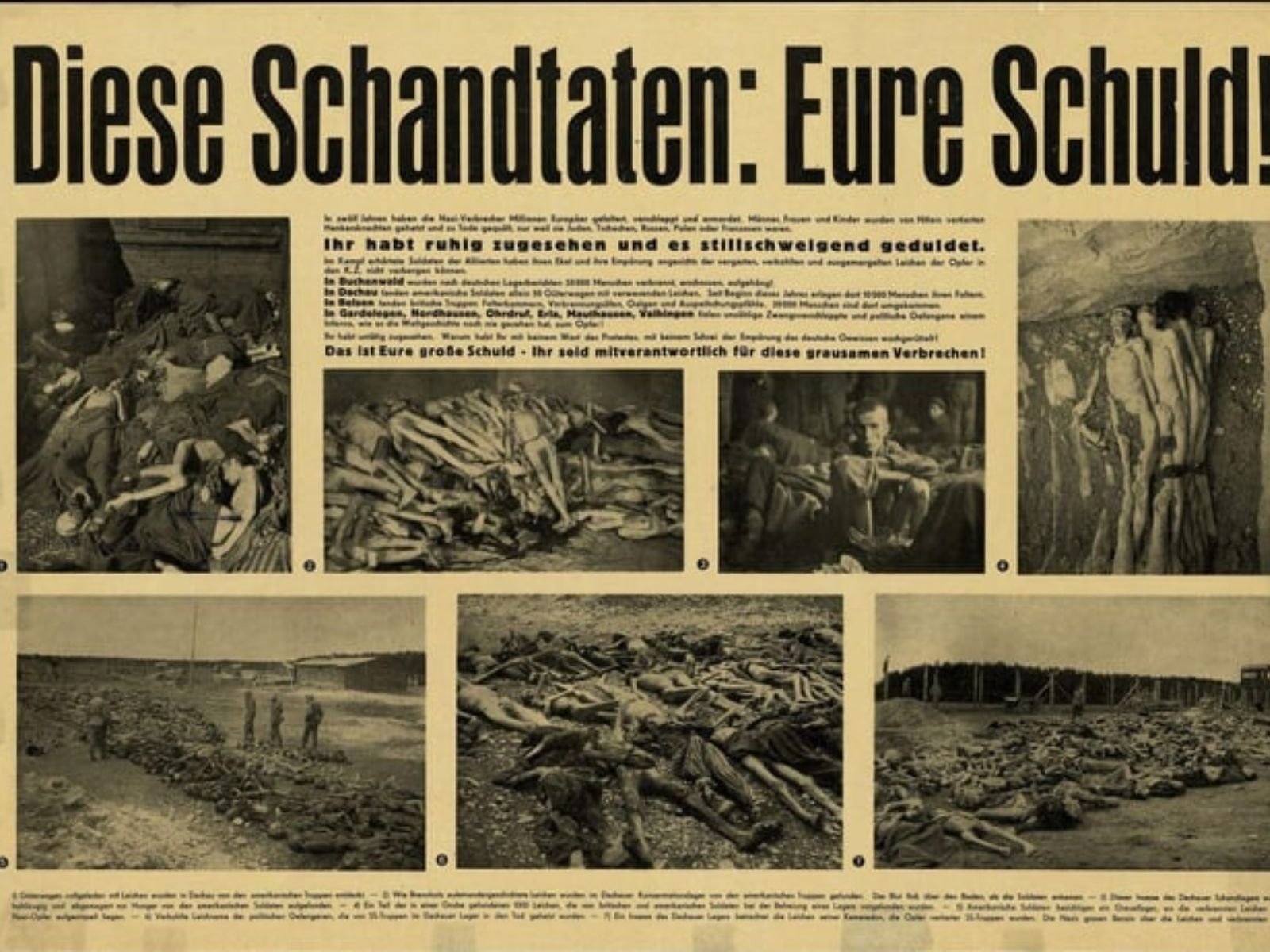
An Allied propaganda poster with the phrase “Diese Schandtaten: Eure Schuld!” (“These atrocities: your fault!”), showing photos of concentration camps to confront the German population with the regime’s crimes.
The fundamental premise of denazification, especially in the American occupation zone, rested on the controversial doctrine of “collective guilt” (Kollektivschuld). This punitive philosophy, ardently championed by influential figures such as U.S. Treasury Secretary Henry Morgenthau Jr., held that the German people as a whole bore moral and political responsibility for the systematic war crimes committed by the Third Reich.
The theoretical foundation of this approach rested on the analysis that popular support, silent complicity and civilian passivity had constituted the supporting pillars that allowed the Nazi regime to thrive and implement its genocidal policies on an industrial scale. This perspective deeply shaped the initial and most severe stages of the denazification process, which went beyond merely punishing the directly guilty to force an entire nation to confront its dark past and accept its collective moral responsibility.
Visual Confrontation: Forcing Germany to Face the Horror
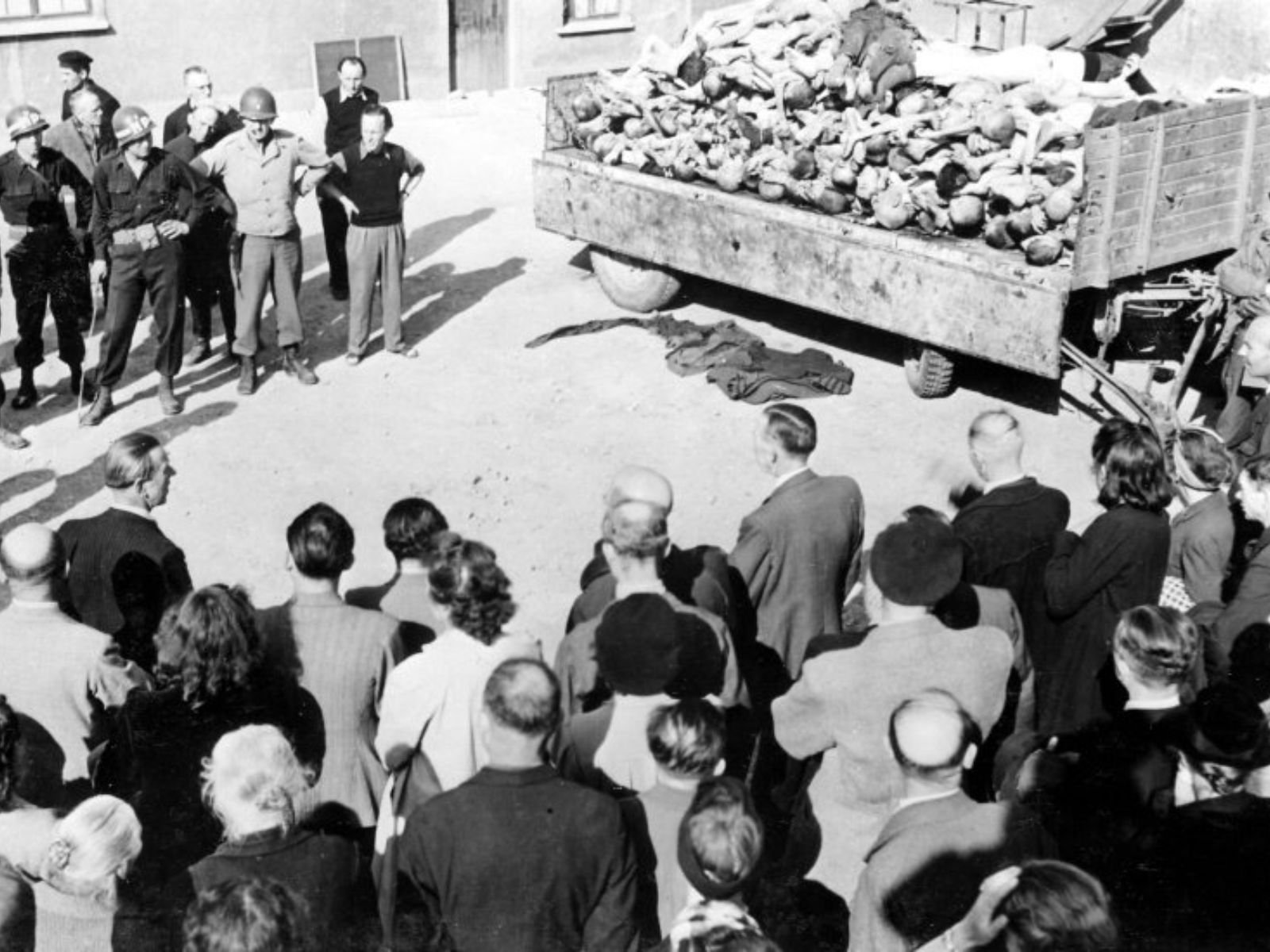
German civilians are forced to look at a truck loaded with the bodies of prisoners starved to death at the Buchenwald concentration camp, in April 1945. Forced exposure to the horrors of the camps was a tactic to ensure the German people could not deny knowledge of Nazi crimes. Author: U.S. Army Signal Corps / Harry S. Truman Presidential Library and Museum.
One of the most direct and psychologically powerful methods of denazification was the policy of forced confrontation with Nazi atrocities. Allied commanders, led by General Dwight D. Eisenhower, implemented a systematic strategy that compelled German civilians living near concentration camps, such as Bergen-Belsen, Buchenwald, Dachau and Mauthausen, to visit these sites immediately after their liberation.
The Horror of the Concentration Camps
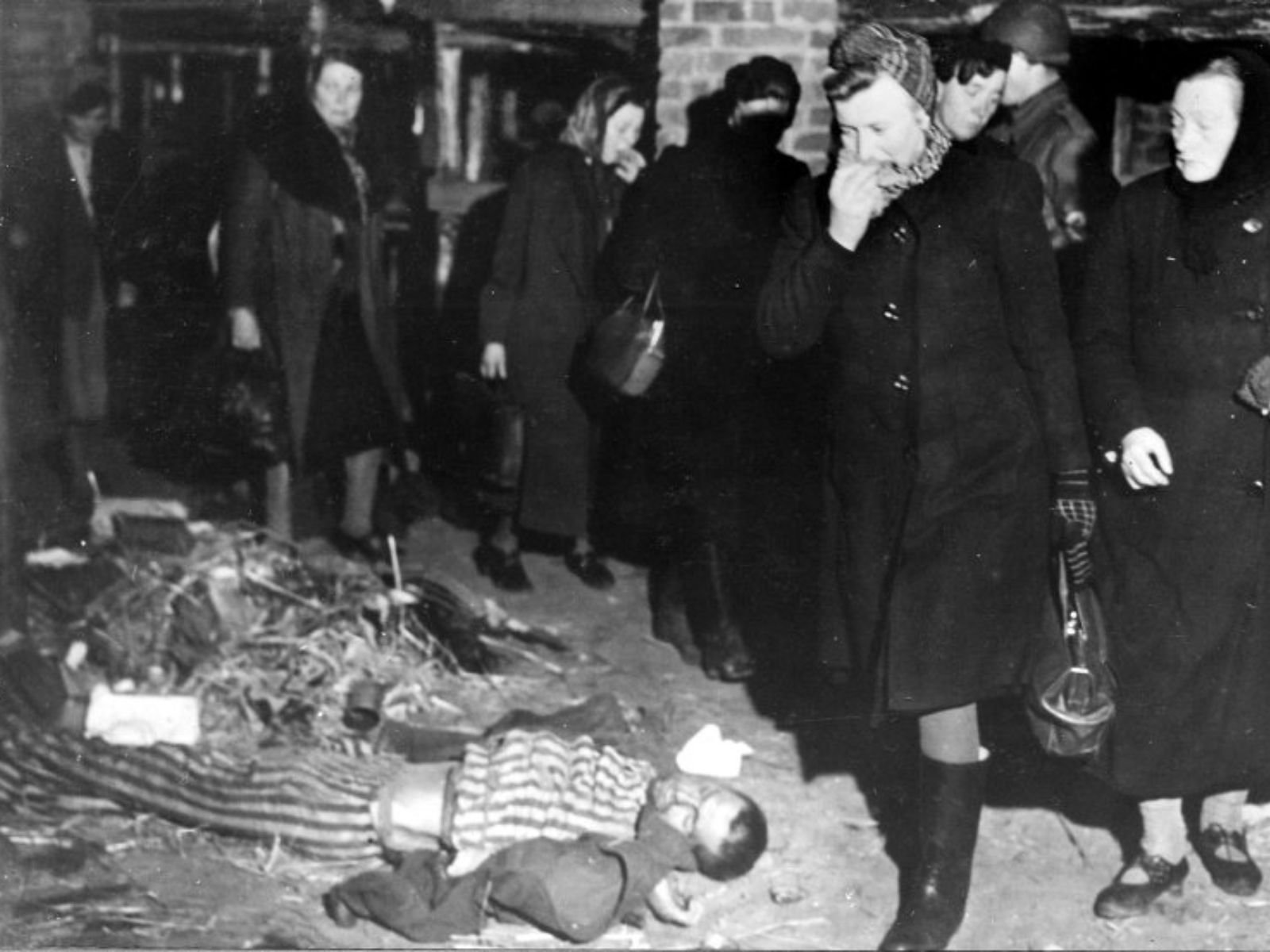
German citizens from the city of Weimar are forced by American soldiers to walk past the bodies of prisoners killed at the Buchenwald concentration camp, in April 1945. The measure was part of the denazification policy of confronting the population with the atrocities committed by the Nazi regime. Author: U.S. Army Signal Corps / National Archives.
These compulsory visits exposed Germans to scenes of indescribable horror: crematory ovens still warm, piles of skeletal corpses, open mass graves and survivors on the brink of death. General Eisenhower, deeply shocked by what he personally witnessed, issued categorical orders that as many Germans as possible be taken to witness these atrocities, establishing the principle that they could never again claim ignorance of the crimes committed in their name.
“Films of Shame”: The Holocaust on Cinema Screens
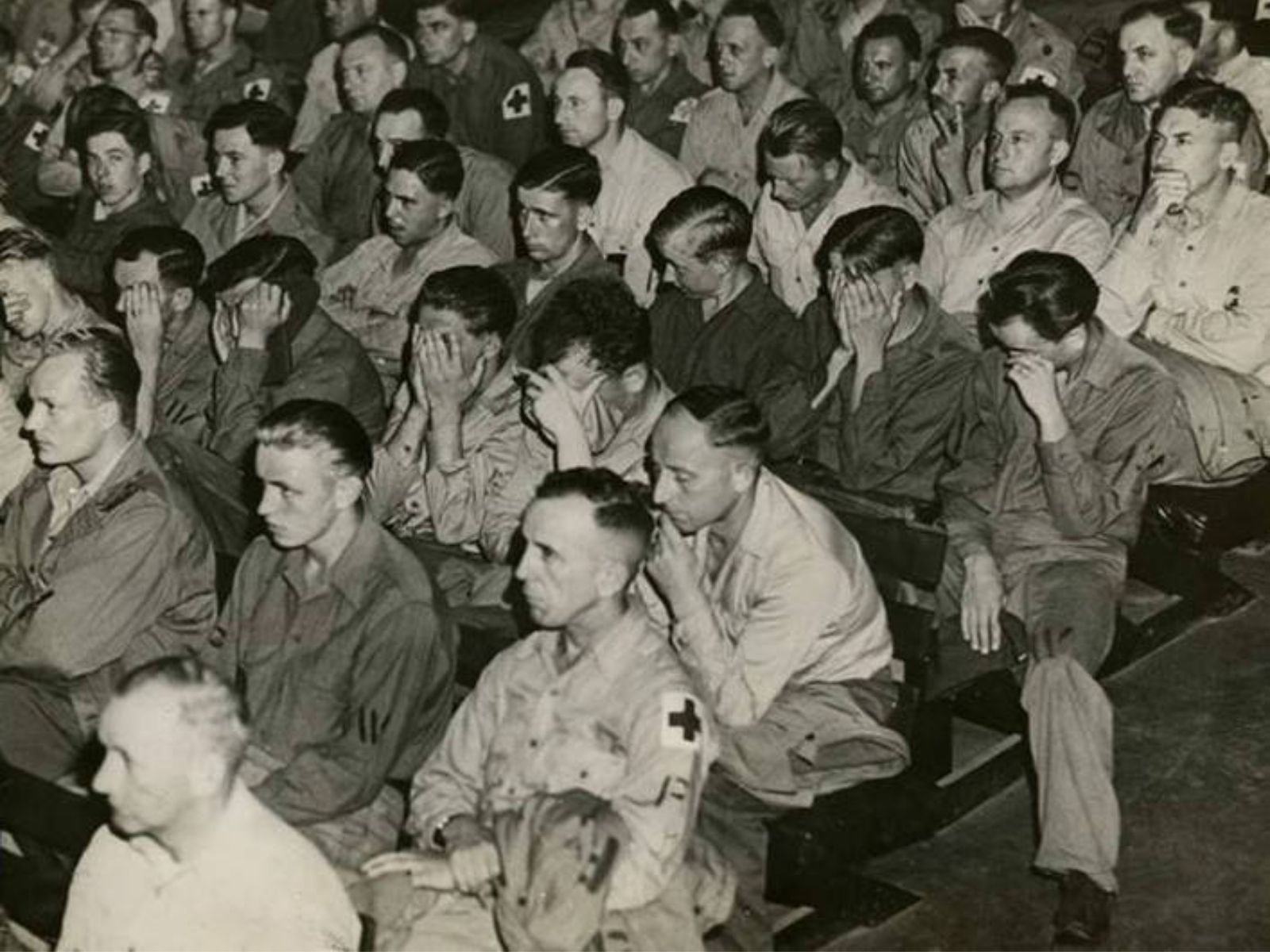
German prisoners of war are forced to watch a film about the atrocities committed in the concentration camps, a re-education measure implemented in all zones. Author: Joseph Eaton / United States Holocaust Memorial Museum.
Complementing the camp visits, the compulsory screening of documentaries about Nazi atrocities became a central tool of German re-education. Films such as “Todesmühlen” (Death Mills) and “Nürnberg und seine Lehre” (Nuremberg: Its Lesson for Today) were compulsorily shown in cinemas across German cities, with attendance often being a requirement for receiving ration cards, thus ensuring the message reached as many people as possible.
The German public’s reactions proved deeply ambivalent: while some expressed genuine horror and profound shame, many others responded with defensive apathy, systematic denial and even resentment toward the occupiers, interpreting the screenings as humiliating propaganda imposed by the victors to justify their own brutality during the bombing of German cities, as was the case of Dresden.
“Fragebogen”: The Bureaucracy of Conscience and Its Paradoxes
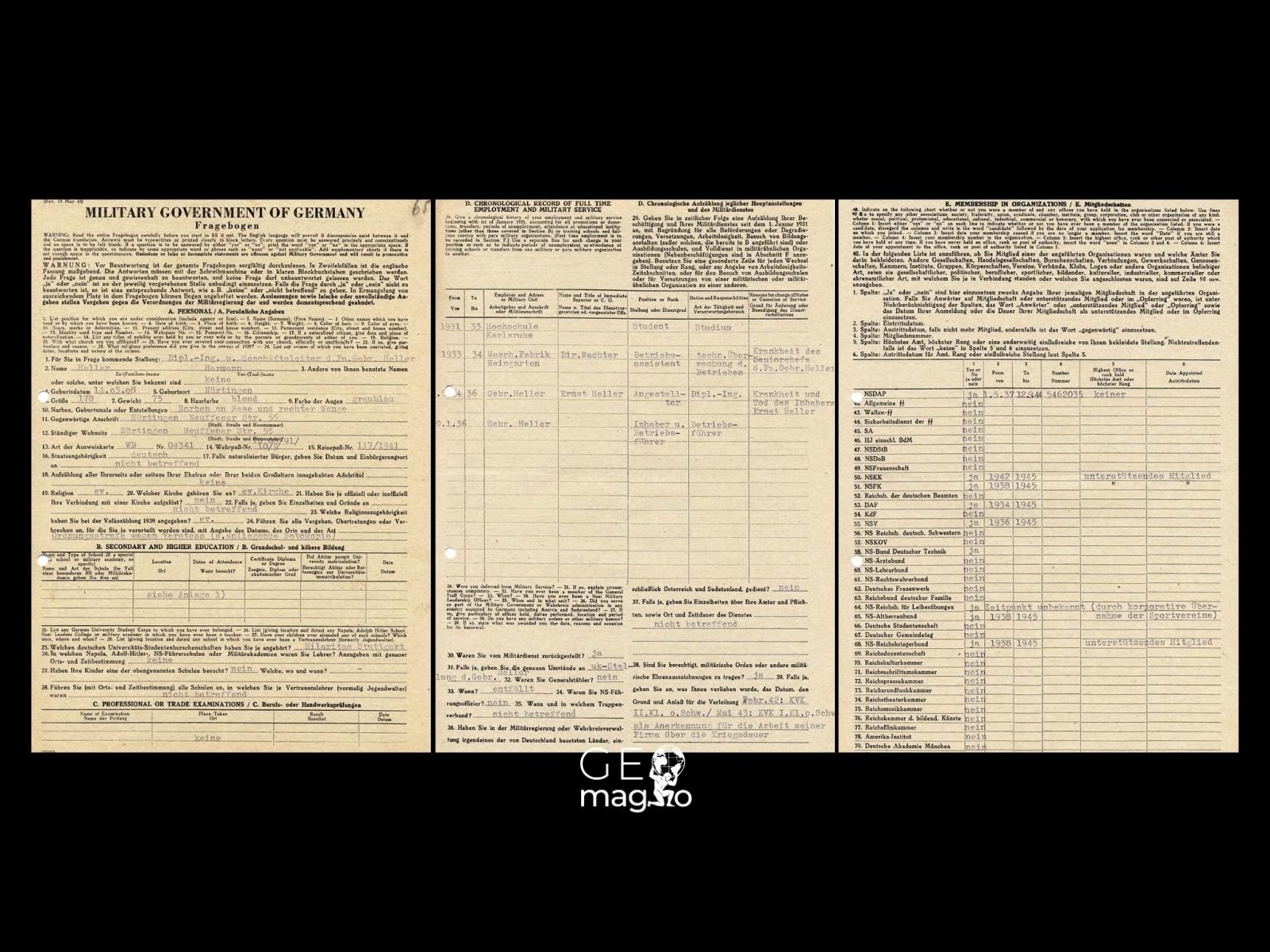
Pages of the “Fragebogen”, a 131-question form used by the Allies to determine each individual’s level of involvement with the Nazi regime.
The Creation of the 131-Question Form
The main bureaucratic tool of denazification was the infamous “Fragebogen”, a meticulously detailed questionnaire containing 131 specific questions. Developed by the American military government under the supervision of the Office of Military Government for Germany (OMGUS), the form was meant to systematically classify millions of Germans according to their level of involvement with the Nazi apparatus.
The questions covered a broad spectrum of activities: affiliations with party organizations, wartime activities, positions held in the Nazi hierarchy, financial donations to the regime, participation in political events and even personal relationships with Nazi figures. The intention was to create a complete national register that would allow a scientific and systematic purge of the civil service, industry, educational institutions and German cultural life.
The Chaos of Implementation and the Black Market in “Cleanliness Certificates”
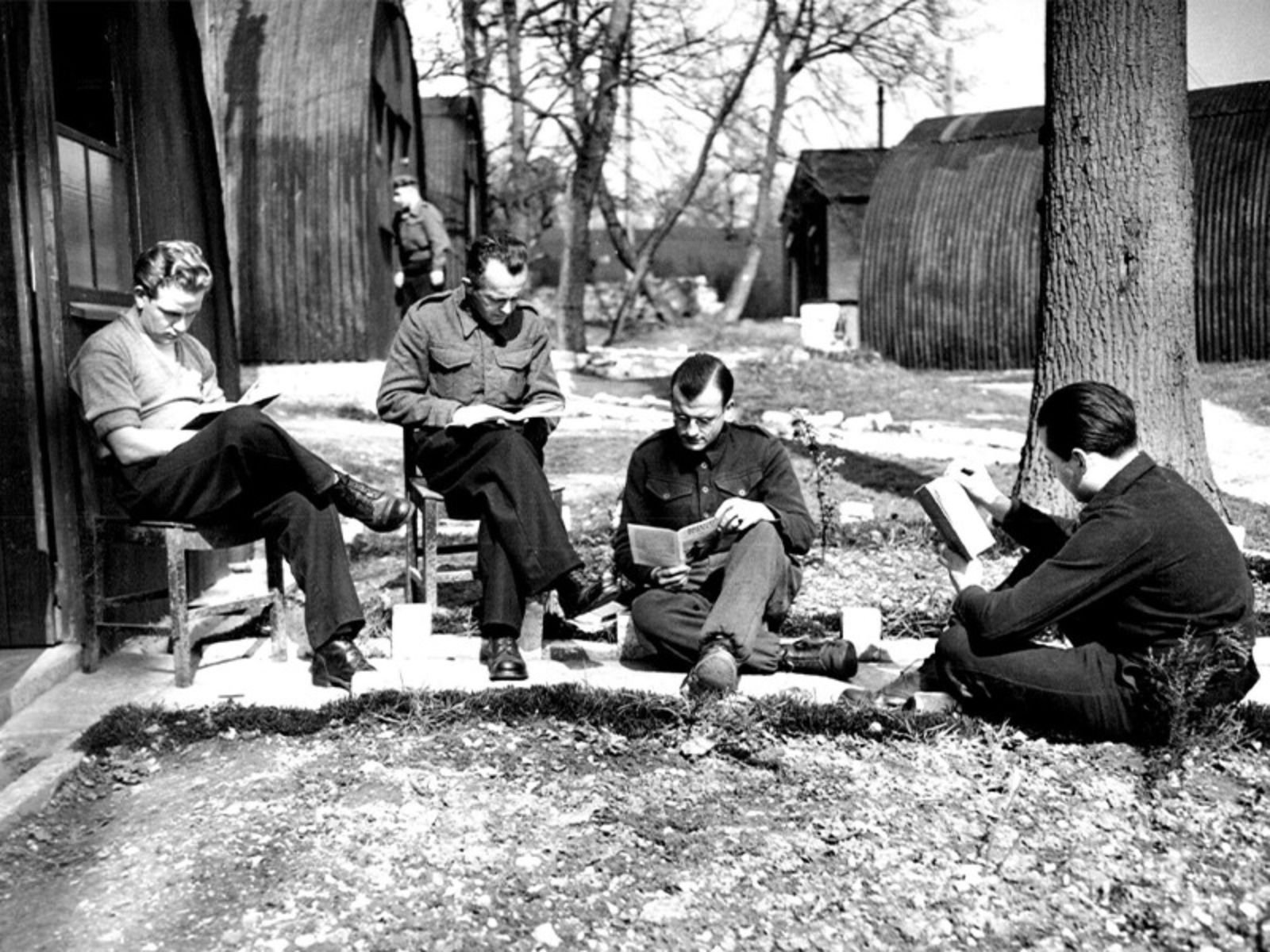
German citizens read newspapers and publications licensed by the Allies, part of the re-education and information control effort in post-war Germany.
The system quickly revealed devastating structural flaws. The astronomical volume of questionnaires, more than 13 million in the American zone alone, completely overwhelmed the military administration. The individual analysis of each case proved complex, inconsistent and very slow, while the shortage of qualified personnel to verify the information provided led to countless irregularities and injustices.
Even more problematic was the flourishing of a veritable black market in “Persilscheine” (cleanliness certificates), documents attesting to an individual’s good conduct during the Nazi period. Such certificates, supplied by friends, clergymen, neighbors or even strangers in exchange for favors or payment, completely undermined the credibility of the process.
The excessive focus on formal party membership, at the expense of real ideological analysis, allowed many committed Nazis to escape punishment, while individuals who had joined the party out of professional necessity, opportunism or social pressure were severely penalized.
The Nuremberg Trials and International Justice for “Enemies of Humanity”
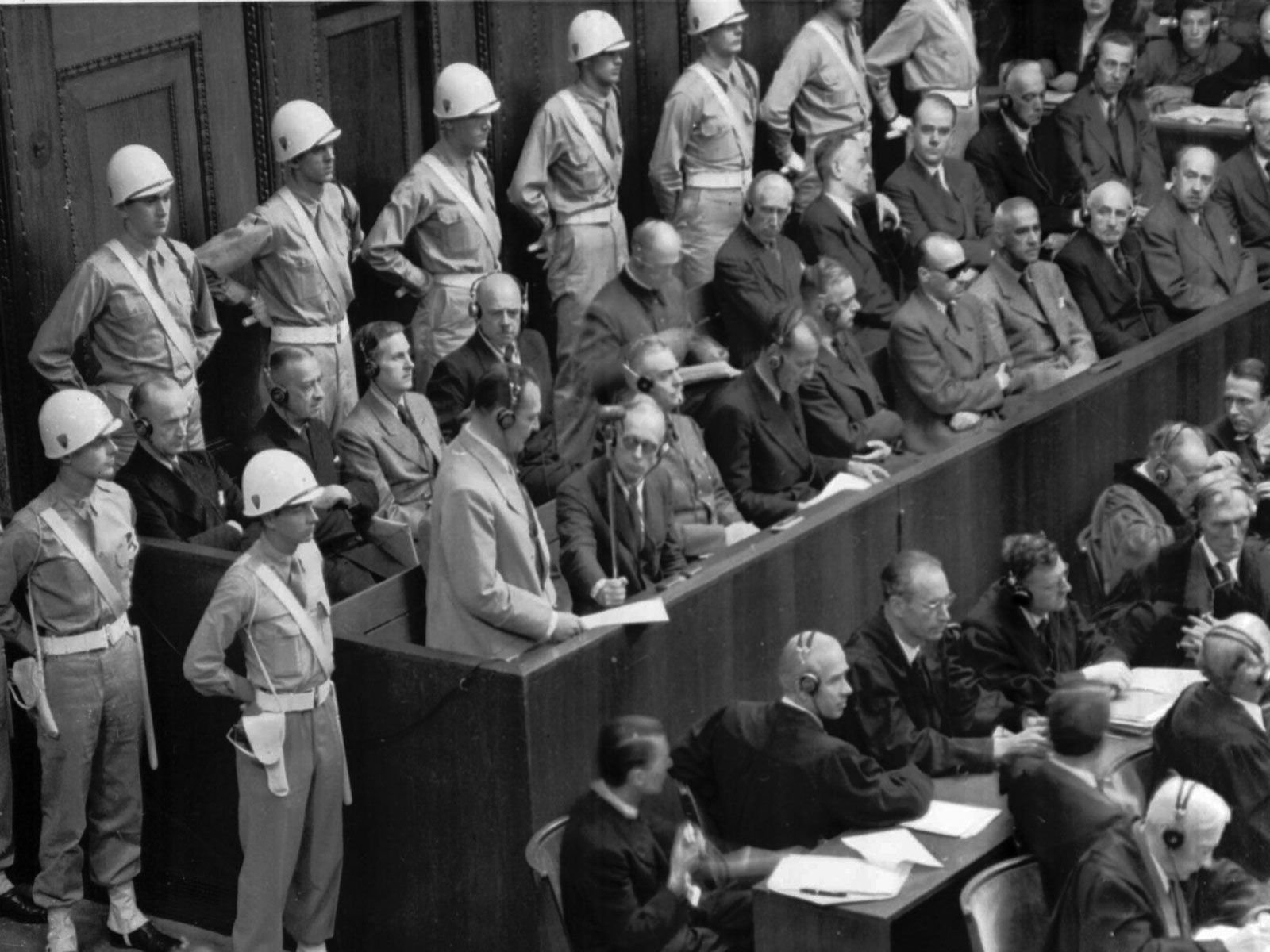
The International Military Tribunal at Nuremberg, where 24 of the most important Nazi leaders were tried for war crimes, crimes against peace and crimes against humanity.
The Nuremberg Trials (1945-1949) constituted the most visible and symbolically powerful aspect of denazification, setting crucial precedents in international law by prosecuting 24 of the most important Nazi leaders for war crimes, crimes against peace and crimes against humanity, a legal category created specifically for these trials which later became one of the pillars for the legal definition of the crime of genocide, a term coined by Raphael Lemkin.
Yet these trials represented only the tip of the judicial iceberg, since millions of other Germans involved at different levels with the Nazi regime were never brought before international courts. The magnitude of the problem demanded a broader, more systematic approach.
The “Spruchkammern” Courts and the Five-Category System
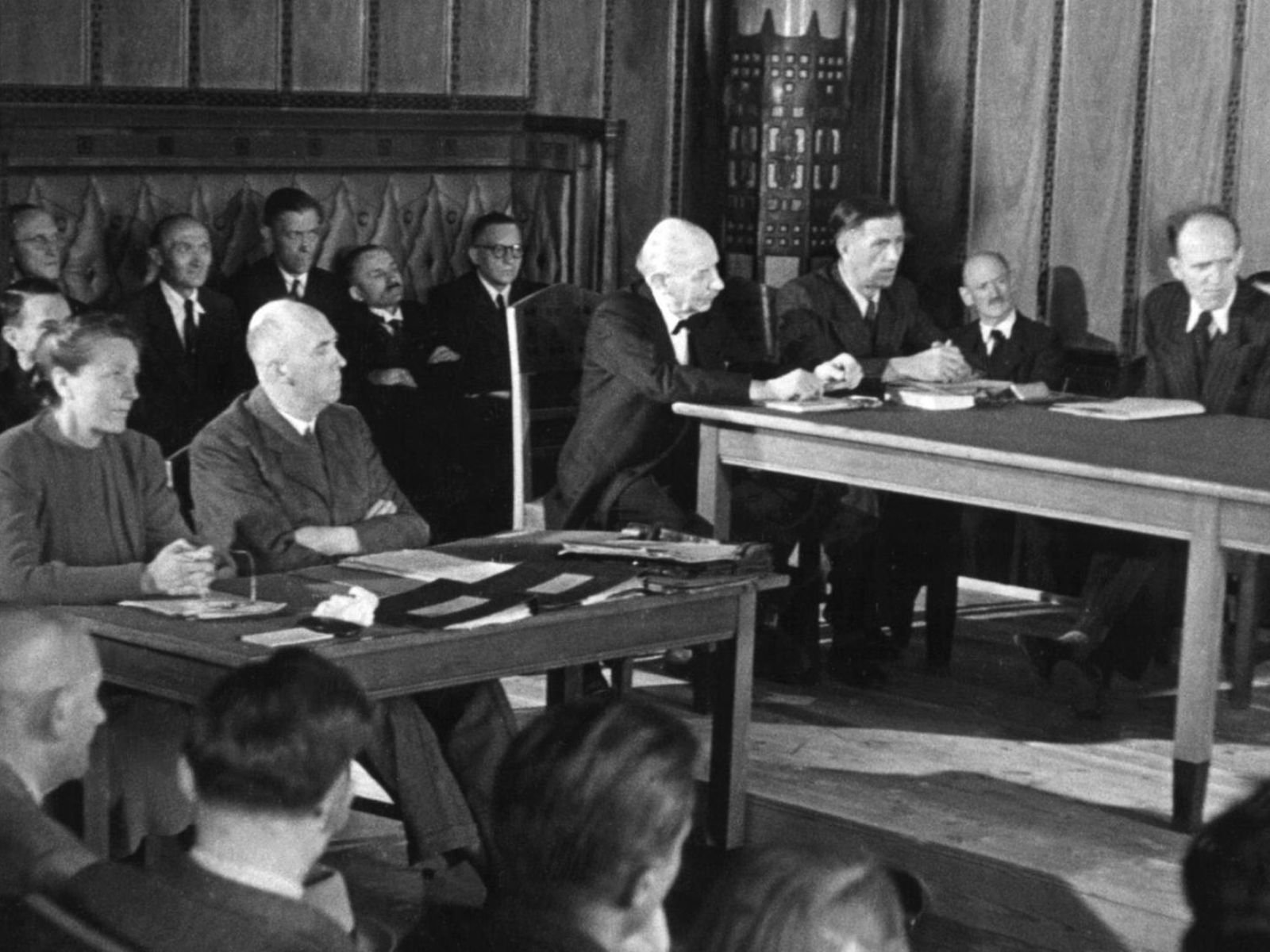
A denazification court (Spruchkammer) in session. These courts, often composed of Germans, were responsible for judging millions of cases. Winifred Wagner (left) beside her defense lawyer, Fritz Meyer, during the reading of the charges before the second denazification court in Bayreuth, on June 25, 1947. Winifred was the daughter-in-law of composer Richard Wagner. Source: Picture-Alliance / DPA / Deutschlandfunk.
To handle the mass of pending cases, the Allies gradually transferred responsibility to specialized German courts, the Spruchkammern (Judgment Chambers). In October 1946, the Allied Control Council established a classification system based on five distinct categories to systematically process the German population:
Category I: Major Offenders (Hauptschuldige)
War criminals and central figures of the Nazi regime. Punishments included lengthy detention, life imprisonment or the death penalty, along with total confiscation of assets and a permanent ban from public office.
Category II: Offenders (Belastete)
Party activists, direct beneficiaries of the regime and committed militarists. Punishments involved substantial fines, up to 10 years in prison and severe work restrictions.
Category III: Lesser Offenders (Minderbelastete)
Active followers who required a probationary period of 2 to 3 years with movement restrictions and regular supervision.
Category IV: Followers (Mitläufer)
Nominal participants in the regime without active involvement. Punishments were limited to moderate fines and temporary travel restrictions.
Category V: Exonerated (Entlastete)
Those who did not actively participate in the regime or who passively resisted. No punishment was applied, and many received certificates of “political cleanliness”.
Strategic Differences Between the Occupation Zones
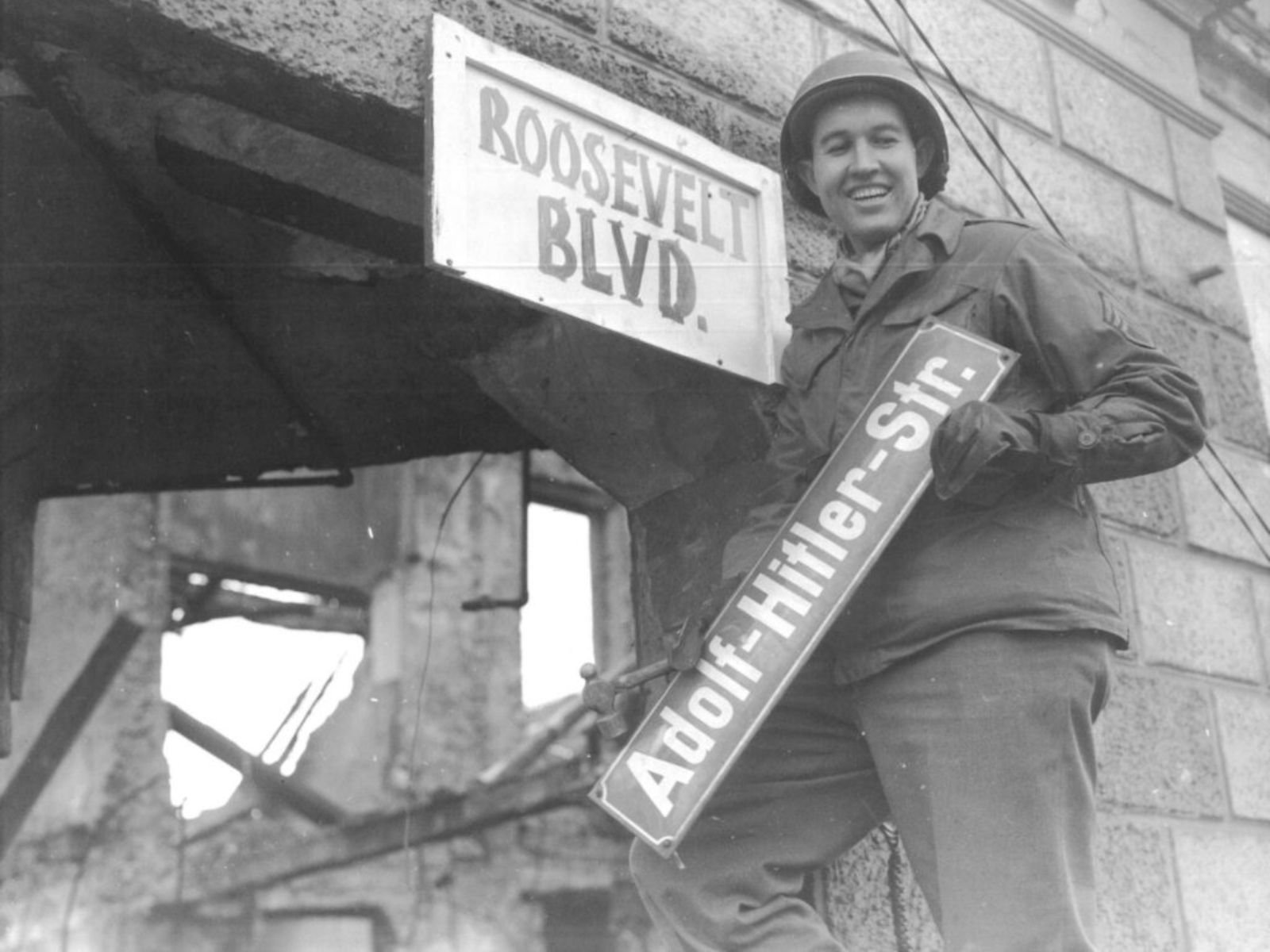
An American soldier replaces an “Adolf-Hitler-Str.” street sign with “Roosevelt Blvd.”, a symbolic act of denazification and of the imposition of American culture.
The implementation of denazification varied dramatically across the four occupation zones, reflecting the political ideologies, geopolitical interests and strategic priorities of each Allied power in the emerging context of the Cold War.
American Zone: Initial Rigor and Pragmatic Reversal
The American zone was initially characterized by the most extreme rigor, with the massive use of the “Fragebogen” and the implementation of sweeping punitive policies. However, with the onset of the Cold War and the growing perception of the Soviet threat, the need for a strong West Germany as a strategic ally led to a dramatic reversal of denazification policy.
The Article 131 Law of 1951 and the amnesties of the period effectively ended the process, allowing thousands of former Nazis to return to positions of influence in the public administration, the judiciary and the industry of the nascent Federal Republic of Germany.
Soviet Zone: Political Purge and Selective “Anti-Fascism”
In the Soviet zone, denazification was swifter and more radical, serving simultaneously as a sweeping political purge to remove potential opponents and consolidate communist power. Major industrialists and landowners were systematically expropriated, regardless of their actual involvement with Nazism.
“Anti-fascism” became the official state ideology of the future German Democratic Republic, although many low-ranking former Nazis were co-opted by the new communist regime, provided they demonstrated loyalty to the socialist system.
British and French Zones: Pragmatism and National Interests
The British and French adopted a pragmatic approach from the outset, focused on maintaining administrative stability and ensuring that public services kept running. Denazification was faster and less rigorous, prioritizing economic reconstruction and regional security over ideological justice.
The Roots of Post-War Neo-Nazism: From Germany to the World
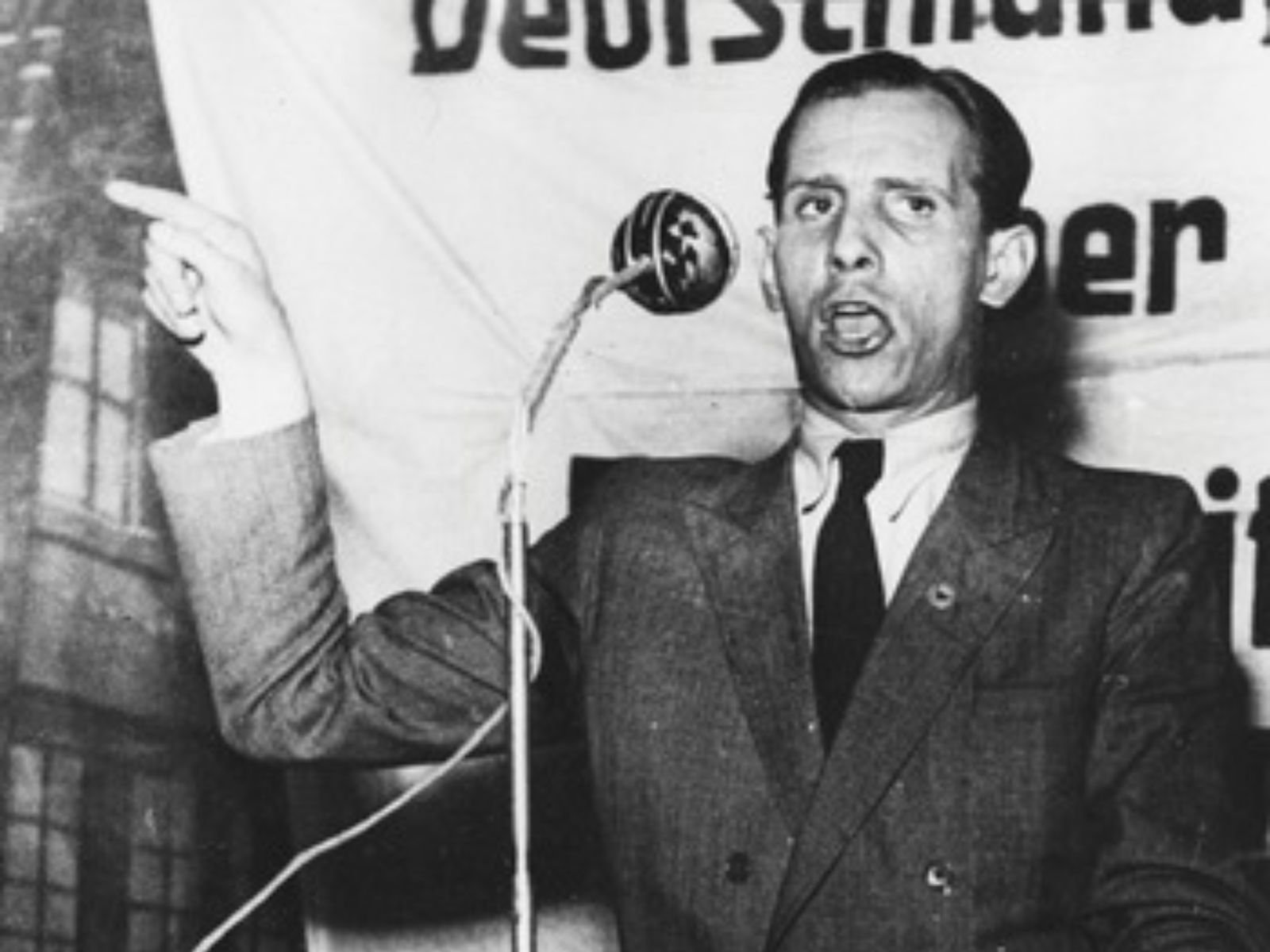
Otto Ernst Remer, former Wehrmacht major general, speaks at a rally of the Socialist Reich Party (SRP) in 1951. The SRP was one of the first significant neo-Nazi parties in West Germany and was banned in 1952 as a successor to the Nazi Party.
Paradoxically, the incomplete and often contradictory denazification created the conditions for the resurgence of neo-Nazi ideologies as early as the 1950s. The premature reintegration of former Nazis into West German society, combined with the absence of deep reflection on the causes of Nazism, allowed radical elements to reorganize under new forms.
The National Democratic Party of Germany (NPD), founded in 1964, became the main political vehicle of German neo-Nazism, attracting former Nazi Party members and young people radicalized by nostalgia for the Third Reich. Groups such as the Action Front of National Socialists (ANS), led by Michael Kühnen, and, decades later, cells such as the National Socialist Underground (NSU) kept the flame of Hitlerite ideology alive through clandestine networks, subversive propaganda and systematic violence against minorities.
International Expansion: Neo-Nazism in the Occupied Countries
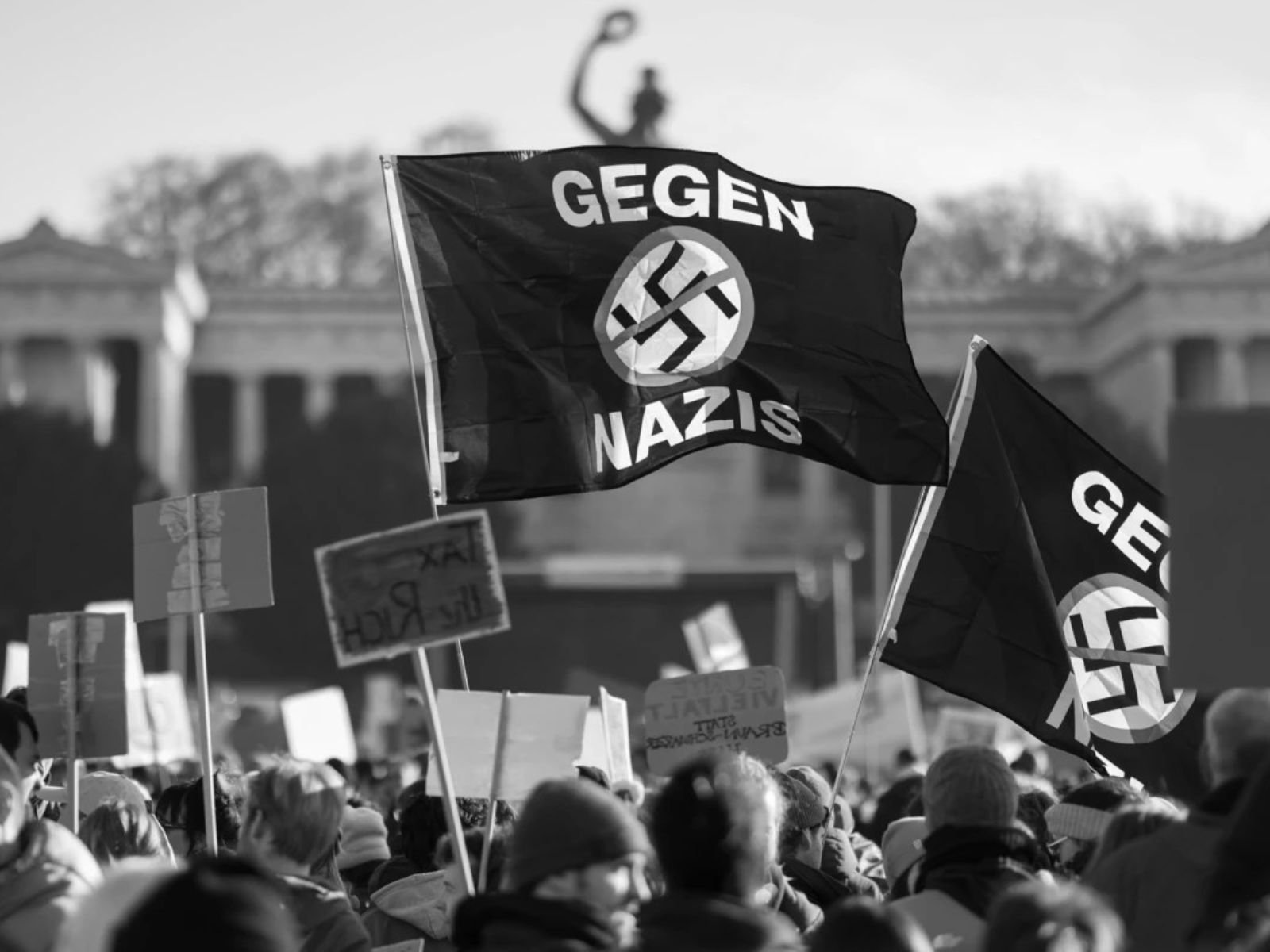
Far-right demonstrators with swastika flags during a protest in Germany. The image illustrates the persistence of neo-Nazi groups in the country decades after the end of World War II, an ongoing challenge for German society.
Neo-Nazism was not confined to Germany, spreading rapidly through the countries formerly occupied by the Third Reich. In Austria, the Freedom Party (FPÖ) was born in 1956 with former Nazis among its founders, including a former SS officer as its first leader. In France, neo-fascist groups such as Ordre Nouveau gathered militants who, in 1972, took part in founding the National Front.
In Belgium, the Netherlands and the Scandinavian countries, neo-Nazi organizations emerged in the 1960s and 1970s, often connected through international networks that shared literature, training and financial resources. These organizations exploited local ethnic tensions, economic anxieties and authoritarian nostalgia to recruit new members.
The Russian Paradox: Neo-Nazism in the Country That Defeated Hitler
Perhaps the most surprising and paradoxical development was the flourishing of neo-Nazism in post-Soviet Russia, heir to the Soviet Union, which paid the highest price to defeat the Third Reich, losing approximately 27 million Soviet citizens during World War II.
The Origins of Russian Neo-Nazism (1990-2000)
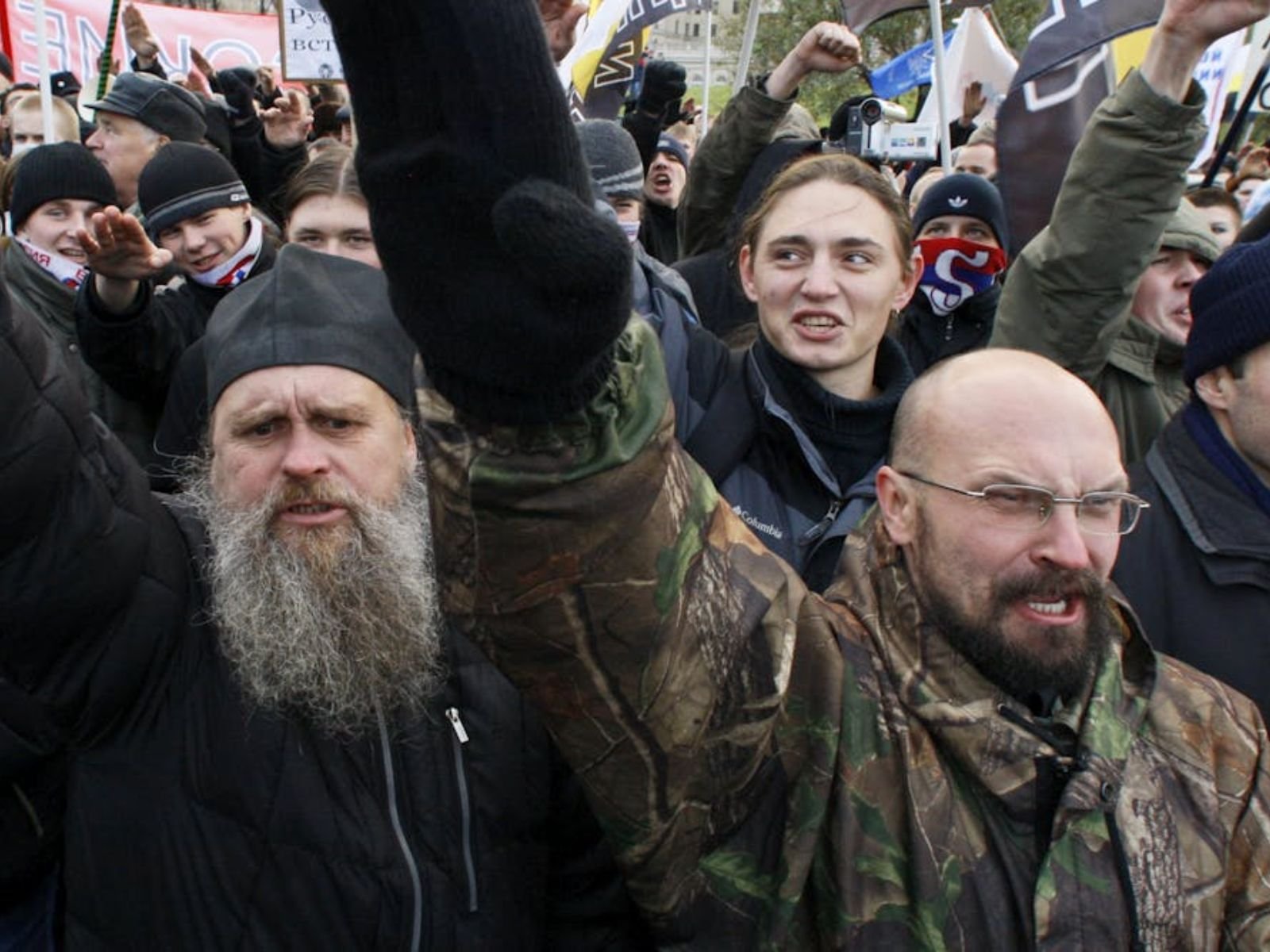
Ultranationalist and neo-Nazi demonstrators take part in the “Russian March” in Moscow. These events, which became more prominent in the 2000s, gather various far-right groups, including skinheads and monarchists, with an anti-immigration and xenophobic agenda. Author: Maxim Shipenkov / EPA.
The collapse of the Soviet Union created an identity and ideological vacuum in Russian society, which was quickly filled by various nationalist currents, including neo-Nazi elements. During the 1990s, Russia experienced a growing wave of racist violence perpetrated by neo-Nazi skinhead gangs, which systematically attacked ethnic minorities, immigrants from the Caucasus and Central Asia, and human rights activists.
After Vladimir Putin’s rise to the presidency in 2000, his regime exploited this development in two cynical and strategic ways. First, Putin used the neo-Nazi threat to justify the adoption of anti-terrorism legislation, a historical demand of some Russian liberals which, ironically, would later be used to prosecute Russian democrats and suppress political opposition. Second, the Kremlin launched “managed nationalism” (upravlyaemyi natsionalizm), an attempt to co-opt and mobilize radical nationalist militants, including neo-Nazis, as a counterweight to an emerging anti-Putin coalition of democrats and left-wing radicals.
Putin’s Political Instrumentalization of Neo-Nazism
Putin’s strategy went beyond mere tolerance, amounting to a deliberate and systematic policy of co-opting neo-Nazi movements. The youth movement “Nashi” (Ours), created after Ukraine’s Orange Revolution (2004), actively recruited members of football gangs and skinhead subcultures to intimidate political opponents.
Between 2008 and 2009, facing the threat of Alexei Navalny‘s anti-Putin coalition, the Kremlin carried out its boldest experiment: the direct co-optation of “Russkii Obraz” (Russian Image), a hardcore neo-Nazi group led by Ilya Goryachev. The group received privileged access to state media, direct political collaboration with deputies of the ruling party and police protection during neo-Nazi events.
The experiment had unintended consequences when members of the group became involved in the 2009 murders of the human rights lawyer Stanislav Markelov and the journalist Anastasia Baburova. Goryachev was later convicted of terrorism, but “clean” veterans of the movement were recycled into state propaganda institutions, including the Internet Research Agency that interfered in the 2016 American elections.
The Contradictory Legacy of Denazification
The denazification of Germany, conceived as a definitive solution to the problem of European fascism, proved to be a deeply contradictory process whose unintended consequences continue to reverberate into the 21st century. The inconsistent implementation, the absence of deep reflection on the structural causes of fascism and the conflicting geopolitical priorities created the conditions for the resurgence of neo-Nazi ideologies on a global scale.
The most disturbing paradox is that contemporary neo-Nazism has flourished in the defeated countries and also in those that fought against the Third Reich, including Russia itself. This reality shows that the military defeat of fascism does not amount to its ideological eradication, and that the social, economic and political conditions that allowed the rise of the original Nazism remain present in contemporary societies.
Lessons for the Future
The historical experience of denazification offers crucial lessons for confronting contemporary extremism: the need for comprehensive approaches that go beyond mere legal punishment, the importance of continuous historical education and the recognition that the fight against fascism is a permanent process demanding constant vigilance from democratic institutions and civil society.
The resurgence of neo-Nazism in the 21st century, facilitated by digital technology and exploited by authoritarian regimes as instruments of geopolitical destabilization, represents a fundamental challenge to the liberal democratic order. Understanding the historical failures of denazification is essential to developing more effective strategies to combat contemporary extremism and preserve the democratic values that cost so much to win.
Read Also
Bibliographic References
- Frei, Norbert. Adenauer’s Germany and the Nazi Past: The Politics of Amnesty and Integration. Columbia University Press, 2002.
- Herz, John H. “The Fiasco of Denazification in Germany.” Political Science Quarterly, vol. 63, no. 4, 1948, pp. 569–594.
- Tent, James F. Mission on the Rhine: Reeducation and Denazification in American-Occupied Germany. University of Chicago Press, 1982.
- Horvath, Robert. Putin’s Fascists: Russkii Obraz and the Politics of Managed Nationalism in Russia. Routledge, 2021.
- Mudde, Cas. The Far Right Today. Polity, 2019.
- Mammone, Andrea, Emmanuel Godin, and Brian Jenkins, editors. Varieties of Right-Wing Extremism in Europe. Routledge, 2013.
- Koehler, Daniel. Understanding Deradicalization: Methods, Tools and Programs for Countering Violent Extremism. Routledge, 2017.
- Bjørgo, Tore, and Jacob Aasland Ravndal. “Extreme-Right Violence and Terrorism: Concepts, Patterns, and Responses.” Terrorism and Political Violence, vol. 31, no. 3, 2019, pp. 1–21.
- Shekhovtsov, Anton. Russia and the Western Far Right: Tango Noir. Routledge, 2017.
- Umland, Andreas. “Post-Soviet Neo-fascism in Comparative Perspective: The Case of the Ukrainian Radical Right.” East European Politics, vol. 32, no. 2, 2016, pp. 157–174.
- “Denazification.” Holocaust Encyclopedia (USHMM). https://encyclopedia.ushmm.org/tags/en/tag/denazification.
- “Denazification.” Wikipedia, The Free Encyclopedia. https://en.wikipedia.org/wiki/Denazification.