Between February 28 and April 19, 1993, the Mount Carmel property near Waco, Texas, was the stage of the Waco siege, a 51-day standoff that began with a failed ATF operation and passed to FBI command, with support from the Texas National Guard and equipment loaned by the United States Army. On the final day, the compound was consumed by a fire that killed 76 people, including the sect’s leader, David Koresh. Only nine occupants of Mount Carmel survived.
David Koresh and the Davidian Sect
The Davidian church was born as a dissident branch of the Seventh-day Adventist Church and, over half a century, went through schisms, failed prophecies and leadership disputes until it fell into the hands of Vernon Howell, the man who would become David Koresh.
The Origins of the Branch Davidians
The Davidian church is a splinter sect of the Seventh-day Adventist Church, founded in 1935 by Victor Houteff, a Bulgarian immigrant who believed he carried a new divine message for the church. After being expelled for his reformist visions, Houteff and his followers established the Mount Carmel community near Waco, Texas, as a center to prepare for the end times. After Houteff’s death in 1955, his wife, Florence, took over the leadership, but the failure of her apocalyptic prophecy for 1959 led to the fragmentation of the original movement.
It was in this power vacuum that Benjamin Roden founded the Branch Davidians, claiming to be the new prophet. For decades, this small community functioned relatively peacefully, though marked by continuous internal leadership disputes, especially after Roden’s death in 1978, when his wife, Lois Roden, became the group’s new prophetess, teaching about the feminine nature of the Holy Spirit.
The Rise of David Koresh
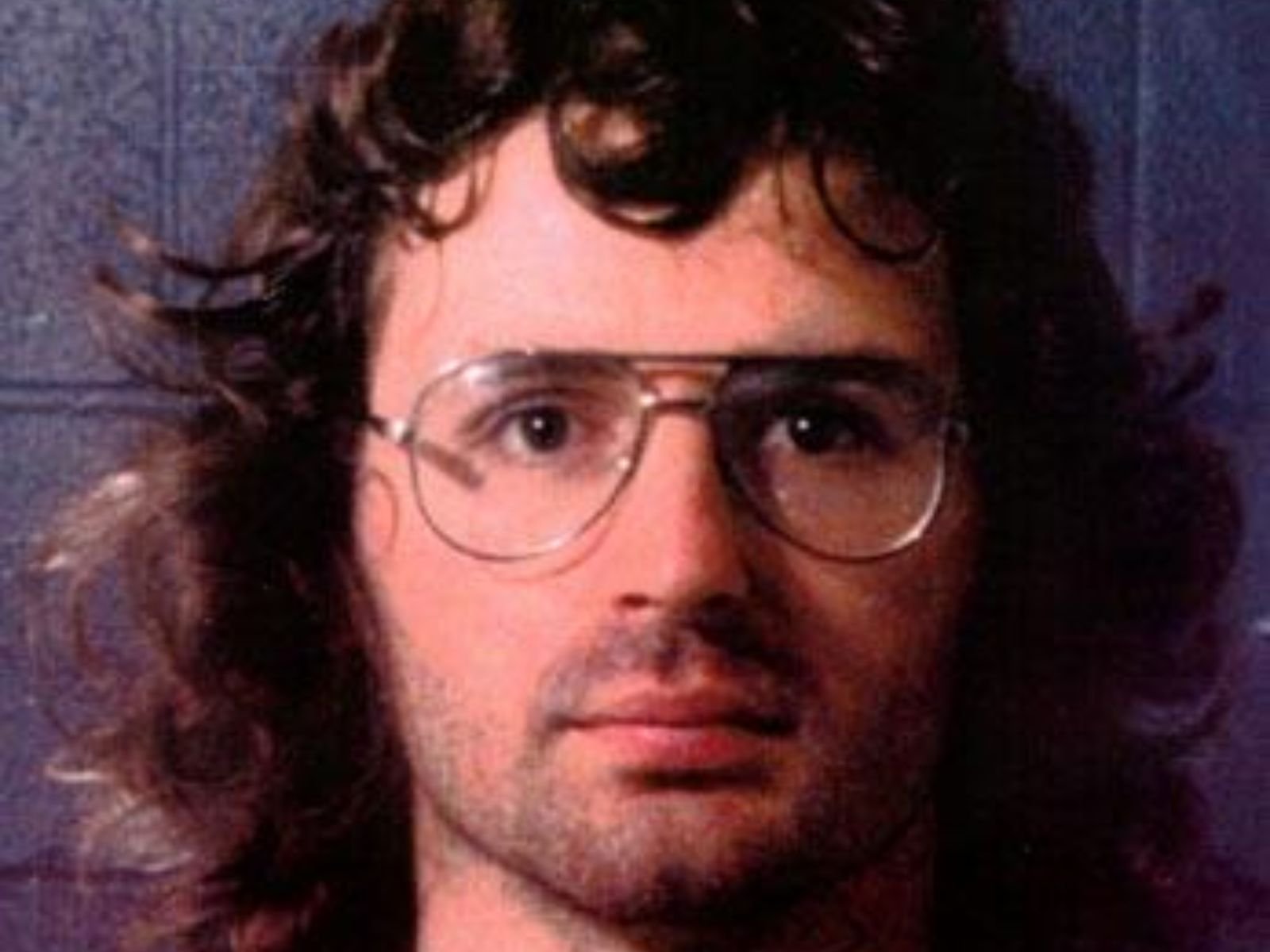
David Koresh, born Vernon Wayne Howell, became the charismatic and controversial leader of the Branch Davidians. A self-proclaimed prophet, Koresh claimed to be the “Lamb of God” mentioned in the Book of Revelation, destined to open the seven seals of the end times. His radical interpretation of scripture included the belief that he had the divine right to take multiple wives, including minors.
It was under the tutelage of Lois Roden that, in 1981, a charismatic young rock musician named Vernon Howell arrived at Mount Carmel. With his deep knowledge of scripture and magnetic personality, he quickly gained influence within the community, becoming the lover of Lois, who was much older. After her death in 1986, Howell entered a violent power struggle with Lois’s son, George Roden.
The conflict culminated in an infamous shootout in 1987, when Howell and his heavily armed followers stormed Mount Carmel. Tried for attempted murder, he escaped without conviction after the jury failed to reach a verdict. With Roden jailed on other charges, Howell took full control of the compound. In 1990, to consolidate his messianic image, he legally changed his name to David Koresh, a combination of the biblical King David and the Hebrew name for Cyrus the Great, the Persian king who freed the Jews from Babylon.
Ranch Apocalypse
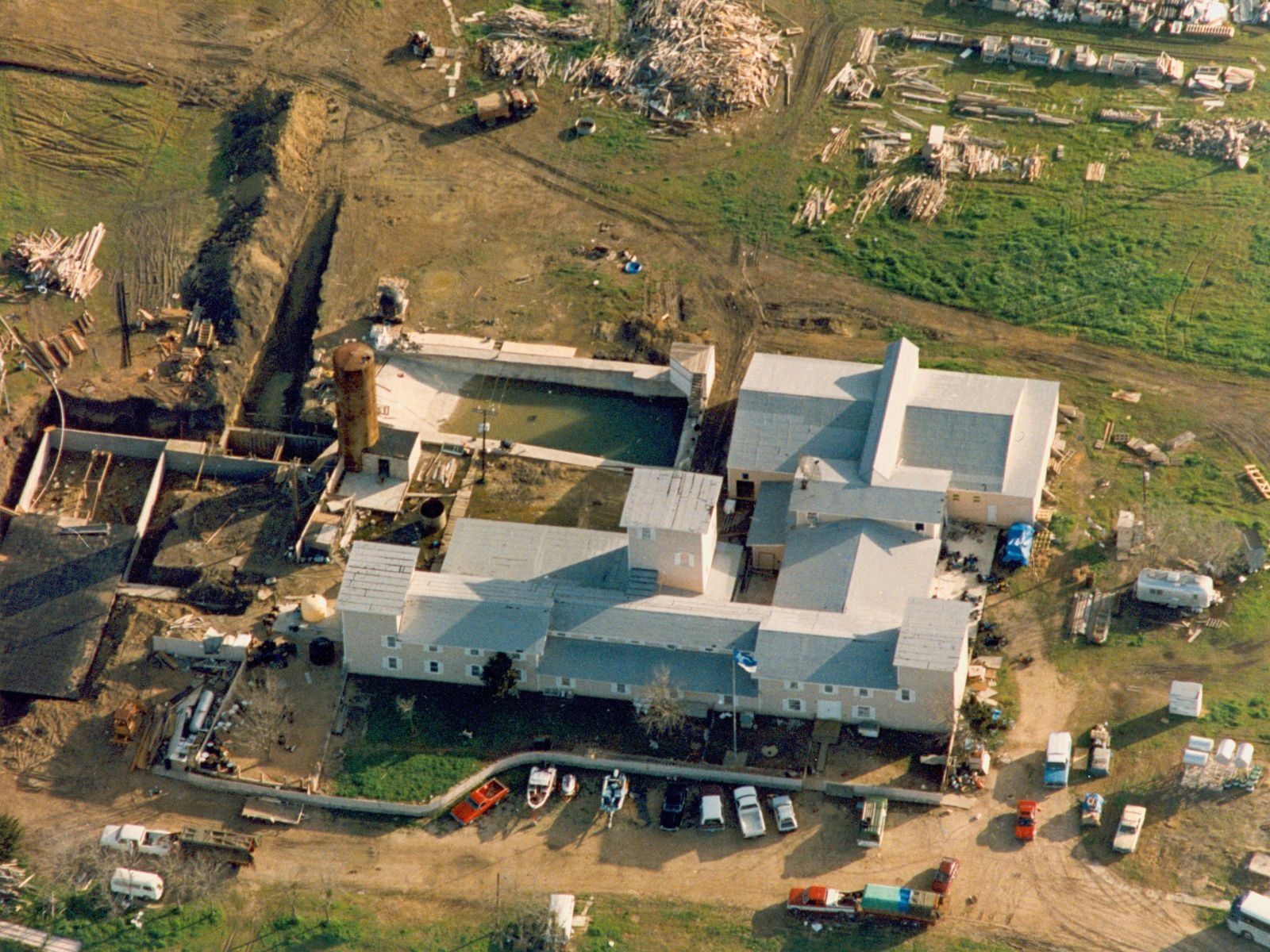
The Branch Davidians’ Mount Carmel compound before the siege, showing the religious community in its original state. This cluster of buildings housed around 130 people, including entire families who had devoted their lives to the community led by David Koresh. The main structure was a multi-story wooden building that served as residence, place of worship and community center.
Koresh was also the name that Cyrus Read Teed, a former U.S. Army corporal, adopted in 1870 when he founded a sect of his own that survived for more than a century. Now in command of Mount Carmel, the new leader renamed the property “Ranch Apocalypse” and began invoking “divine prerogatives” to allow himself pleasures forbidden to the other members.
Such prerogatives included watching Jean-Claude Van Damme on television, eating more refined food and, above all, having sexual relations with teenage girls (one of his partners who managed to escape said he had as many as 18 wives, most of them underage). On the premise of preventing retaliation from expelled former members, Koresh ordered the purchase of several semi-automatic weapons (a practice permitted in Texas).
Federal Investigations
In 1992, U.S. federal authorities opened an investigation into the sect after receiving information that machine guns were being manufactured in the community. It was established that the Davidians had an outdoor shooting range and were stockpiling large supplies of food and ammunition, believing that a new “Holocaust” would soon begin. Koresh had been to Israel and predicted that American troops would invade Palestine, at which point he himself would rise as an “avenging angel”.
In late 1992, the ATF (Bureau of Alcohol, Tobacco and Firearms) took the lead in the case, suspecting that the sect was converting semi-automatic weapons into automatic ones, storing gunpowder and other chemicals used as raw material for manufacturing explosives, and acquiring military equipment such as gas masks and night-vision goggles.
In 1992, hand grenade casings were discovered in a package addressed to the Davidians that broke open in transit. The delivery driver’s alert reached the local sheriff and the ATF, which began gathering the elements needed to obtain court orders to search the property.
The Waco Siege
On February 28, 1993, the ATF’s SWAT team arrived at Mount Carmel with an assault plan meant to last less than a minute. But, defying expectations, the Davidians mounted fierce resistance. The initial shootout lasted nearly two hours, killing four ATF agents and six members of the sect. This confrontation began a tense 51-day siege, led by the FBI, with support from the Texas National Guard and equipment loaned by the U.S. Army. After weeks of fruitless negotiations, psychological pressure tactics (such as blasting loud music and the sounds of dying animals) and the authorities’ mounting frustration, the decision was made to launch a final assault.
Timeline of the Last Day: April 19, 1993
The sequence of events on the siege’s final day reveals the escalation of the tragedy:
05:55 – Final Operation Begins: CEVs Approach the Compound
Two FBI armored combat engineering vehicles (CEVs) approach the Mount Carmel compound. The 54-ton M728 vehicles, on loan from the U.S. Army, were fitted with bulldozer blades and demolition guns. The operation’s commander, Jeff Jamar, decided to force the Branch Davidians out through the massive injection of CS tear gas. Inside, the Davidians slept on mattresses scattered along the corridors, many of them children who did not understand that this would be their last dawn.
06:00 – Preparations Inside: “Everybody Wake Up, Let’s Start Praying”
The FBI’s surveillance microphones pick up urgent voices: “Everybody wake up, let’s start praying” and conversations about fuel being poured. David Koresh wakes his followers with the certainty that the “end times” have arrived. Steve Schneider coordinates the distribution of improvised masks made of wet cloth. Women wake small children, some crying without understanding. The community that resisted for 51 days prepares for its final act of defiance or surrender.
06:05 – First Breach: CEV Opens Hole in the Wall
A CEV violently breaks through the east wall with its bulldozer blade, creating a two-meter opening. The crash terrifies the children and confirms the Davidians’ worst fears. Rifle shots are immediately fired at the armored vehicles. The CS gas, banned in warfare by the Chemical Weapons Convention, begins to spread. Children start coughing violently, their small lungs unable to process the toxic substance that burns the eyes, nose and throat.
07:30 – Gas Intensifies: “Two Cans of Fuel”
More tear gas is pumped systematically through multiple openings. FBI surveillance records conversations about “two cans of fuel”, crucial evidence in the debate over who started the fire. The Davidians, suffocating, move like ghosts carrying children in search of clean air that does not exist. Koresh gathers followers in the underground bunker. Negotiations have ceased; only federal loudspeakers order surrender. Women fashion improvised masks for the children, knowing that every breath could be their last.
11:30 – Systematic Demolition: Structure Compromised
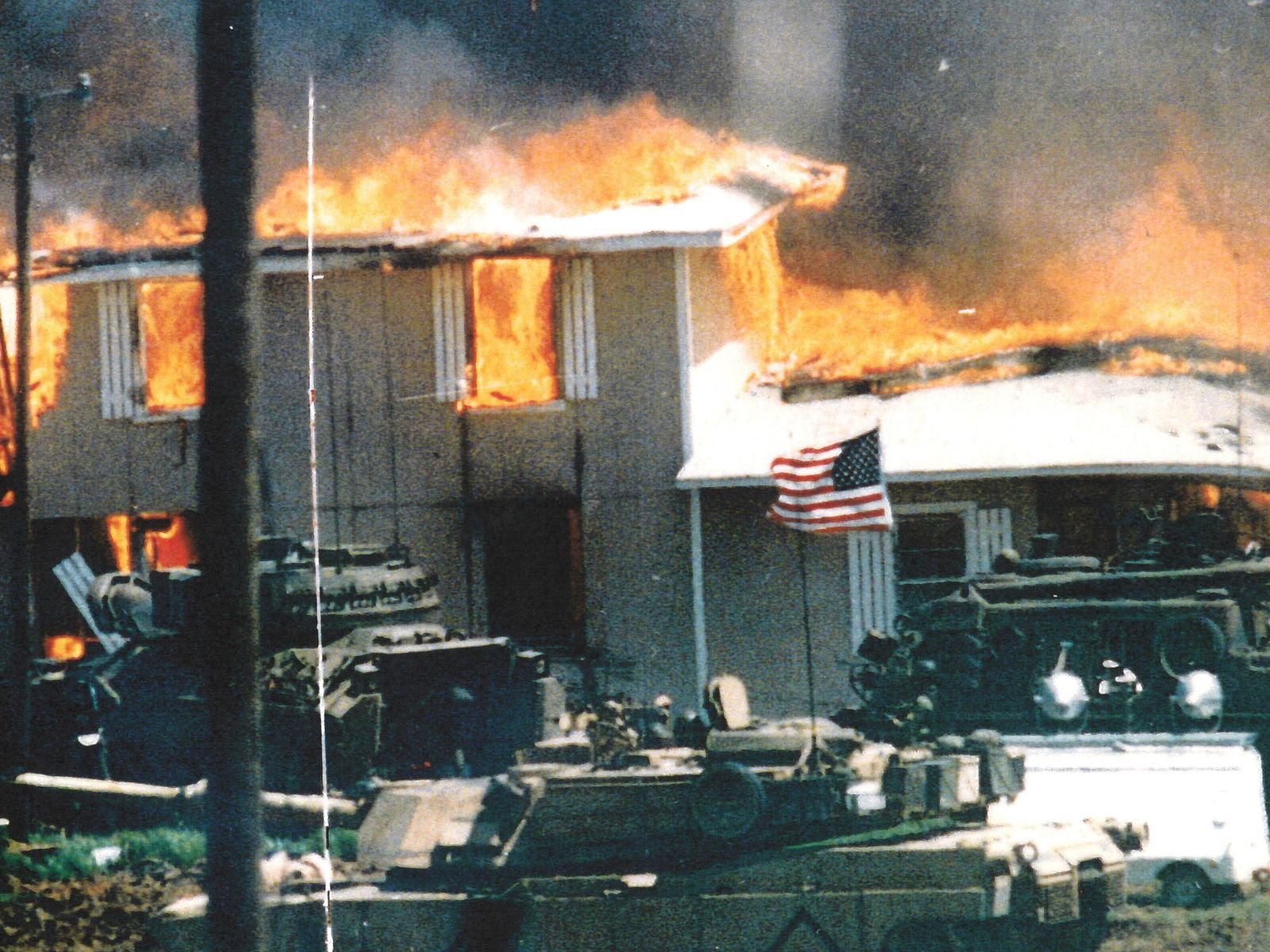
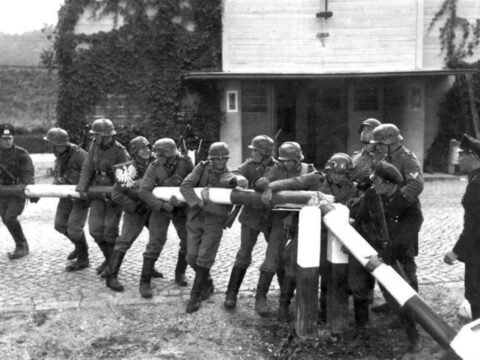
ATF and FBI agents during the 51-day siege mobilized hundreds of federal agents and heavy military equipment in an unprecedented show of force against American citizens. Operation “Showtime” escalated from a routine weapons investigation into a full military operation, raising questions about the constitutional limits of federal power. Source: ABC News.
The armored vehicles keep demolishing the building to insert more gas, gravely compromising the structural integrity of the wooden compound. Each impact creates air currents that spread the gas but weaken the supporting beams. Panic reaches critical levels as sections of the roof give way. The 30 mph Texas wind accelerates the circulation of the toxic gas. Children cry uncontrollably while adults search for safe spaces in a crumbling building. The exits are blocked by debris or watched by federal marksmen.
12:07 – Simultaneous Ignition: Three Points of Fire
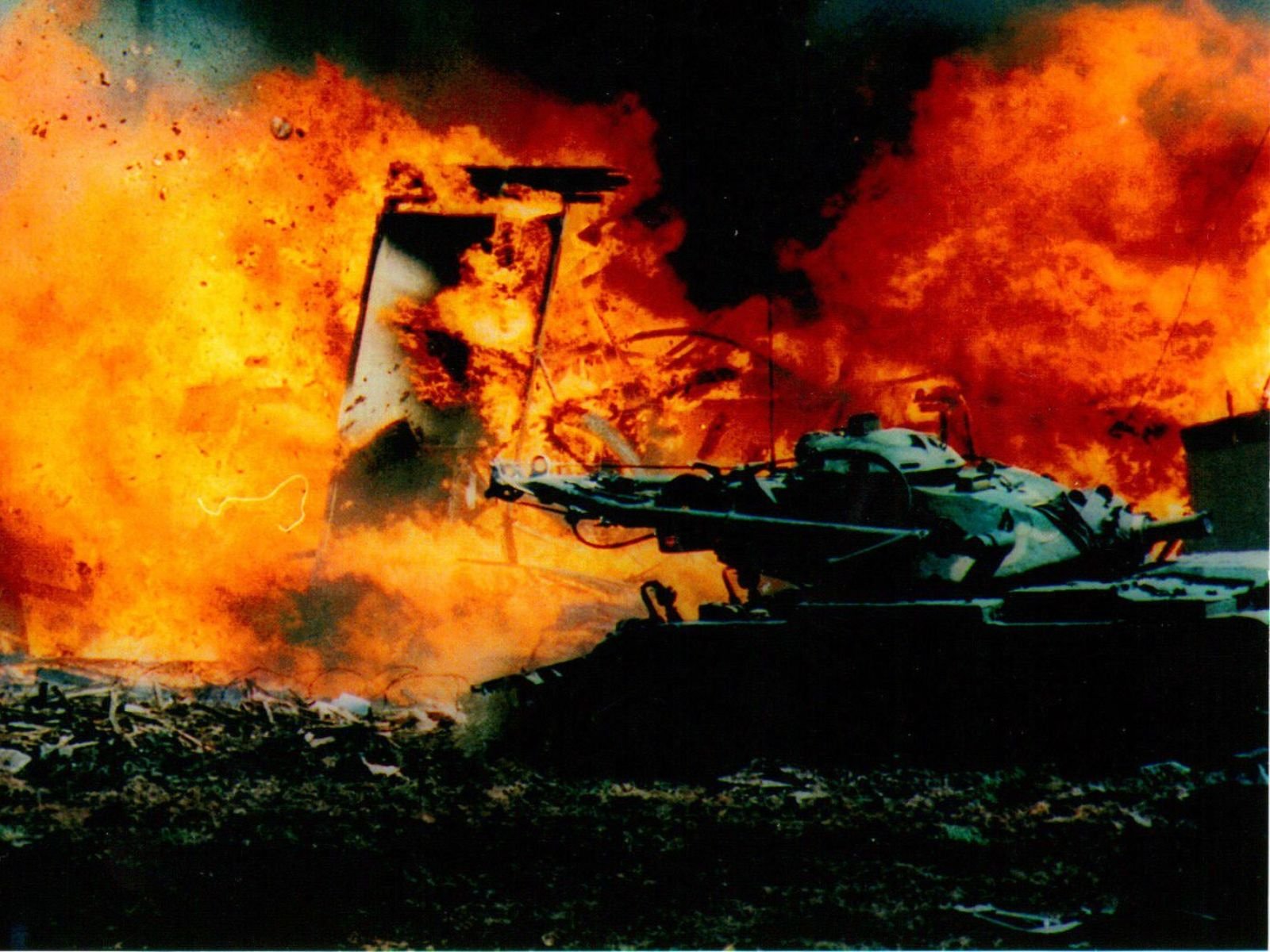
M728 Combat Engineer Vehicles systematically break through the compound walls during the final assault, setting a controversial precedent in federal law enforcement. The use of military equipment against American civilians shocked public opinion and fed narratives of government tyranny.
The first flames appear almost simultaneously at three distinct points of the compound. The simultaneity suggests a deliberate, coordinated fire. The strong wind and the holes in the structure create a tunnel effect that accelerates the flames. In minutes, small fires turn into an uncontrolled furnace. TV cameras capture shocking scenes of the religious compound being consumed with dozens of people inside. The Davidians face the choice between burning to death or walking out to face life in prison.
12:12 – Delayed Emergency Response: Firefighters Held Back
An emergency call is made to the Waco Fire Department, but the responders are held at a federal checkpoint for 15 crucial minutes. Those lost minutes become controversial as firefighters arrive with the blaze beyond any control, with internal temperatures of 1,000 degrees Celsius. Families are separated by the dense smoke. Some Davidians try to escape through the windows, forced back by the flames surrounding the perimeter. The decision to delay the firefighters would be investigated by Congress.
12:25 – Devastating Explosion: Propane Cylinder Detonates
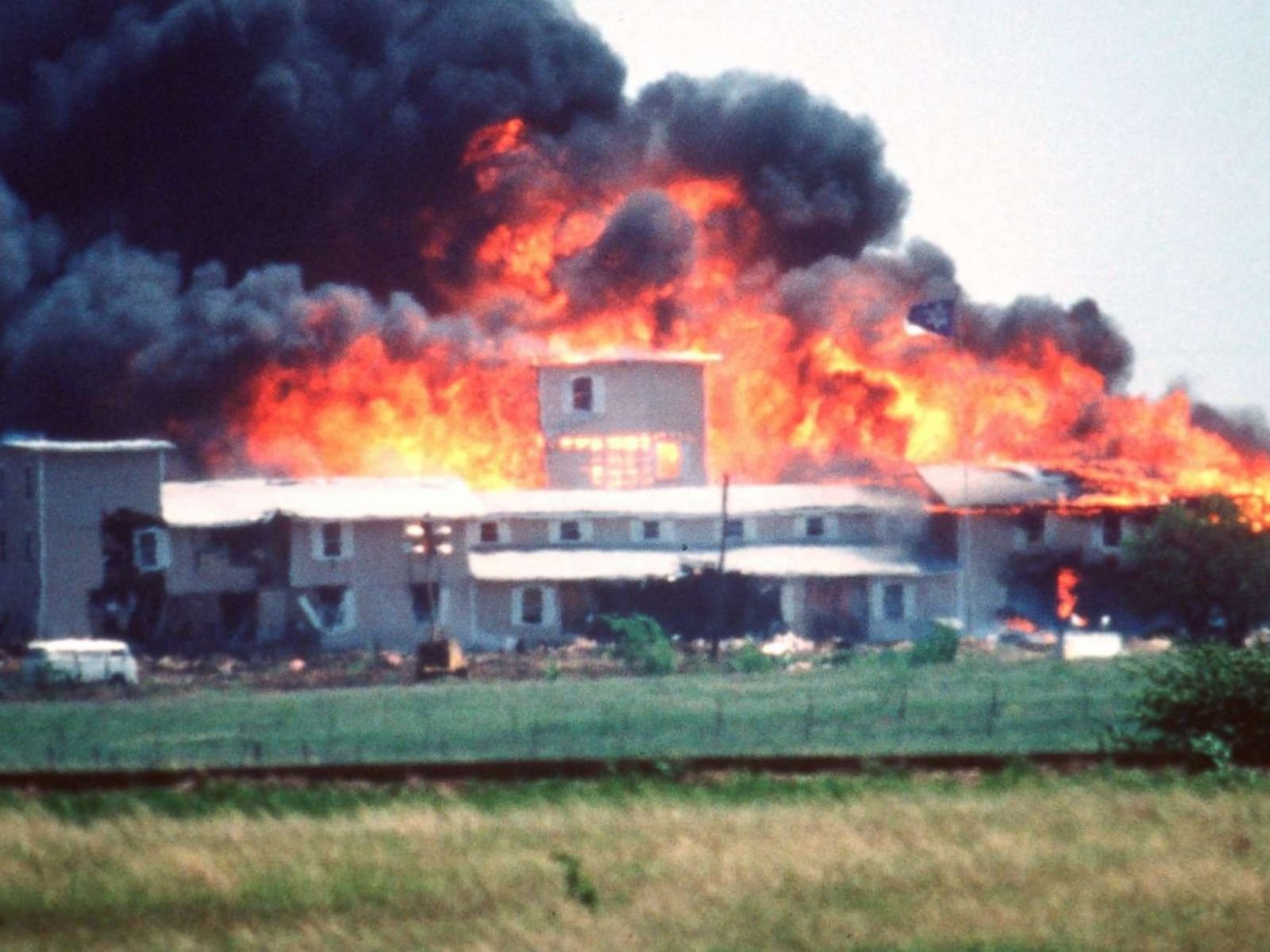
The Branch Davidian compound at Mount Carmel consumed by flames on April 19, 1993, after 51 days of federal siege. This iconic image captures the final moment of the tragedy that killed 76 people, including David Koresh and 25 children. The fire began after federal agents launched tear gas and broke through the walls with military tanks. The controversy over who started the fire, whether the Davidians themselves or the federal actions, persists to this day.
A massive explosion from a propane gas cylinder shakes the compound, hurling incandescent debris within a 100-meter radius. The blast is felt more than a kilometer away. Pieces of burning wood fly like projectiles, striking media vehicles. The explosion eliminates any hope of rescue, creating deadly traps of burning rubble. Families in the underground bunker find the stairways blocked by incandescent debris. The blast ruptures gas lines, feeding the inferno with additional fuel.
12:55 – Final Collapse: 76 Lives Lost
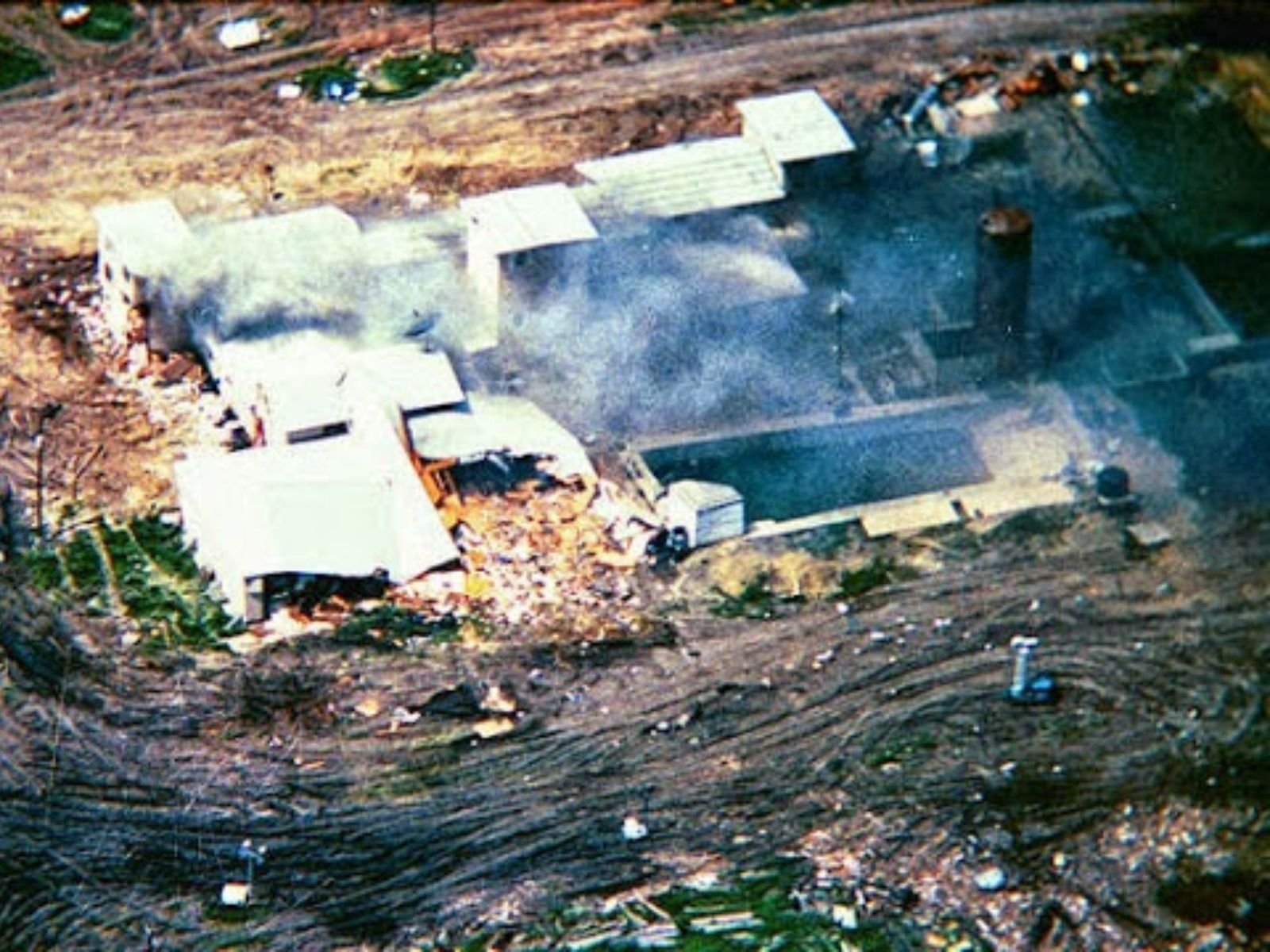
Devastating aerial view of the Branch Davidian compound after the fire of April 19, 1993. The image reveals the full extent of the destruction at Mount Carmel, where David Koresh had led his religious community since the late 1980s. What was once “Ranch Apocalypse”, as Koresh had renamed the property, became a symbol of the tensions between religious freedom and law enforcement in the United States.
In less than an hour, the wooden compound is completely consumed and collapses. The fire kills 76 people, including David Koresh and 25 children aged 1 to 17. Only nine occupants escape: Clive Doyle, David Thibodeau, Derek Lovelock, Graeme Craddock, Jaime Castillo, Marjorie Thomas, Misty Ferguson, Renos Avraam and Ruth Riddle. Survivors emerge with severe burns and traumatic stories. Koresh’s autopsy reveals a gunshot wound to the head. The 25 dead children become the symbol of the tragedy, fueling decades of controversy over federal responsibility.
The Debate over Religious Freedom versus Law Enforcement
The Waco case raised fundamental questions about the boundaries between religious freedom and law enforcement in the United States. Critics argued that the federal government violated basic constitutional rights, including the First Amendment (religious freedom), the Second Amendment (the right to bear arms) and the Fourth Amendment (protection against arbitrary searches and seizures). The Davidian community, however controversial its practices, operated legally in Texas, where gun ownership was broadly permitted.
Civil rights advocates questioned whether federal authorities applied different standards to the Davidians because of their unconventional religious beliefs. The initial investigation relied on reports from disgruntled former members, raising questions about the reliability of the evidence used to justify the operation. Still, the allegations of child abuse and illegal weapons conversion created a complex legal dilemma between protecting minors and religious freedom.
Questions of Police Abuse of Authority
The Waco operation became a case study in the excessive use of force by federal agencies. The decision to stage a military-style raid instead of arresting Koresh during his frequent trips off the property was widely criticized. Law enforcement experts argued that less confrontational methods could have prevented the tragedy, considering that Koresh regularly visited the city of Waco on business.
The use of military tanks, tear gas and war equipment against American civilians sparked intense debate about the militarization of the police. The ATF was accused of seeking publicity to justify its budget, choosing a spectacular approach over traditional investigative methods. The fact that the presence of children on the property did not weigh on the planning of the final assault was particularly condemned by human rights organizations.
The Legacy in Domestic Terrorism
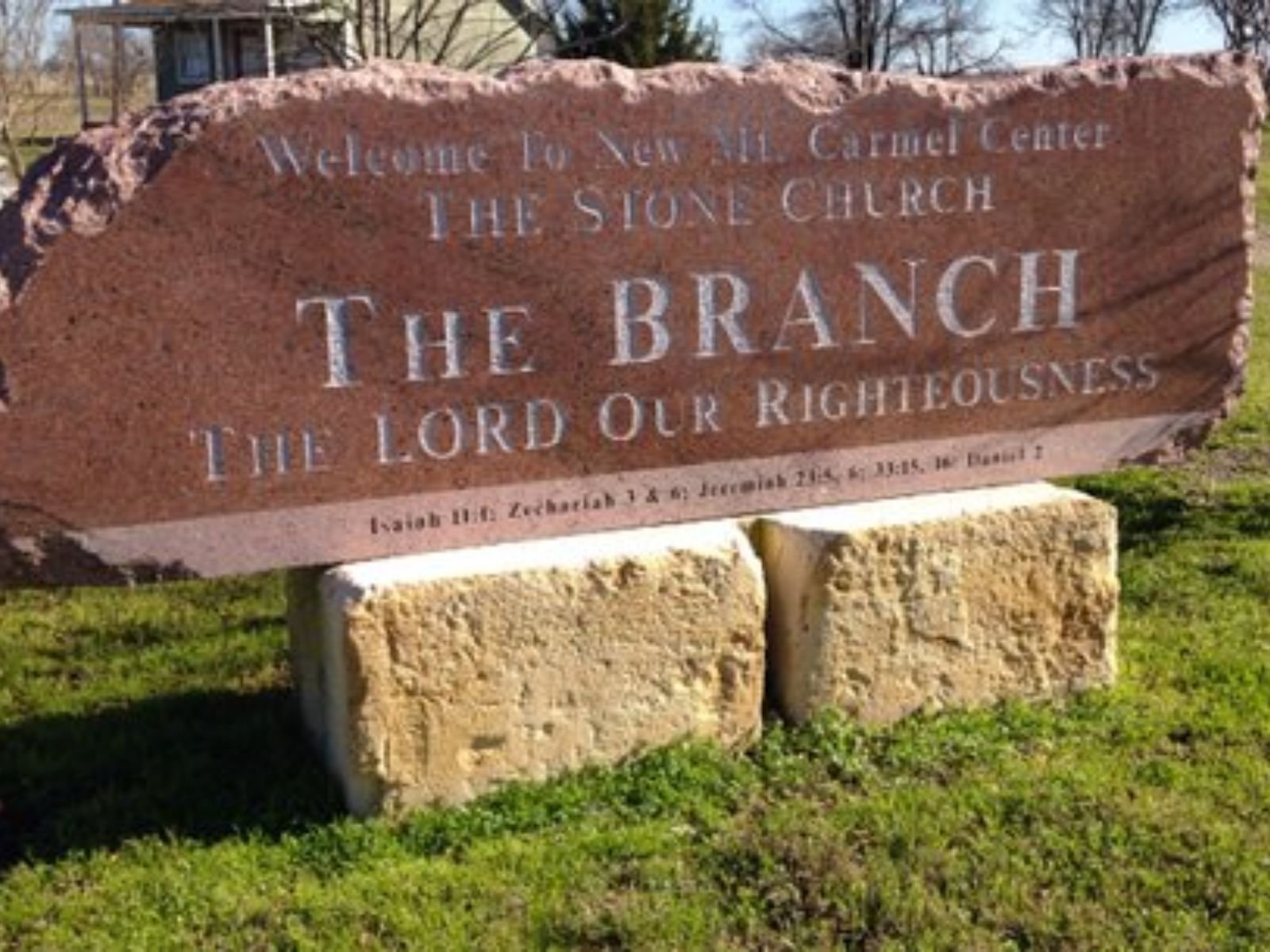
Granite plaques engraved with the names of the victims of the Waco siege, including David Koresh and the 25 children, on the site of the former Mount Carmel compound. Today the land hosts a new church built by a group of Davidians who survived or were not present during the siege. The memorial serves as a place of pilgrimage and a somber reminder of the tragedy.
Waco became a powerful symbol for anti-government extremist movements in the United States. Timothy McVeigh, perpetrator of the Oklahoma City bombing, specifically cited Waco as the motivation for his terrorist attack on April 19, 1995, exactly two years after the final fire. McVeigh, who had visited Waco during the siege to sell anti-government stickers, is proof of how the tragedy fed conspiracy narratives.
The case inspired theories about a “New World Order” and government plans to confiscate the guns of American citizens. Militia groups proliferated after Waco, using the event as evidence of federal tyranny. Figures like Alex Jones built entire careers exploiting the controversies of Waco, spreading conspiracy theories that persist to this day. The event showed how failures in law enforcement can radicalize individuals and fuel domestic extremism for decades.
Consequences for Security Policy
Waco forced a fundamental reassessment of federal law enforcement tactics. New guidelines were established for operations involving religious groups, prioritizing negotiation over confrontation. The tragedy also influenced debates about the separation of church and state, highlighting the need to balance legitimate criminal investigations with the protection of constitutional liberties.
Yet the lessons of Waco did not prevent future controversies. The standoff at Bundy Ranch (2014) and other incidents showed that tensions between federal authorities and anti-government groups persist. Waco remains a reminder of the dangers of unnecessary escalation and of the importance of proportional methods in law enforcement, especially when constitutional rights are at stake.
Read Also
Bibliographic References
- PBS NewsHour. Analysis: How the Waco siege resonates 30 years later. PBS, 2023. https://www.pbs.org/newshour/politics/why-waco-siege-still-resonates-30-years-later-especially-among-anti-government-extremists.
- Vox. The Waco tragedy, explained. Vox Media, 2018. https://www.vox.com/2018/4/19/17246732/waco-tragedy-explained-david-koresh-mount-carmel-branch-davidian-cult-30-year-anniversary.
- Southern Poverty Law Center. 30 Years Later: Waco and Extremism. SPLC, 2023.
- Bureau of Alcohol, Tobacco, Firearms and Explosives. Report on the Events at Waco, Texas. ATF, 1993.
- Congressional Research Service. The Branch Davidian Incident at Waco, Texas. Library of Congress, 1995.
- Human Rights Watch. Waco: A Tragedy of Errors. Human Rights Watch, 1993.