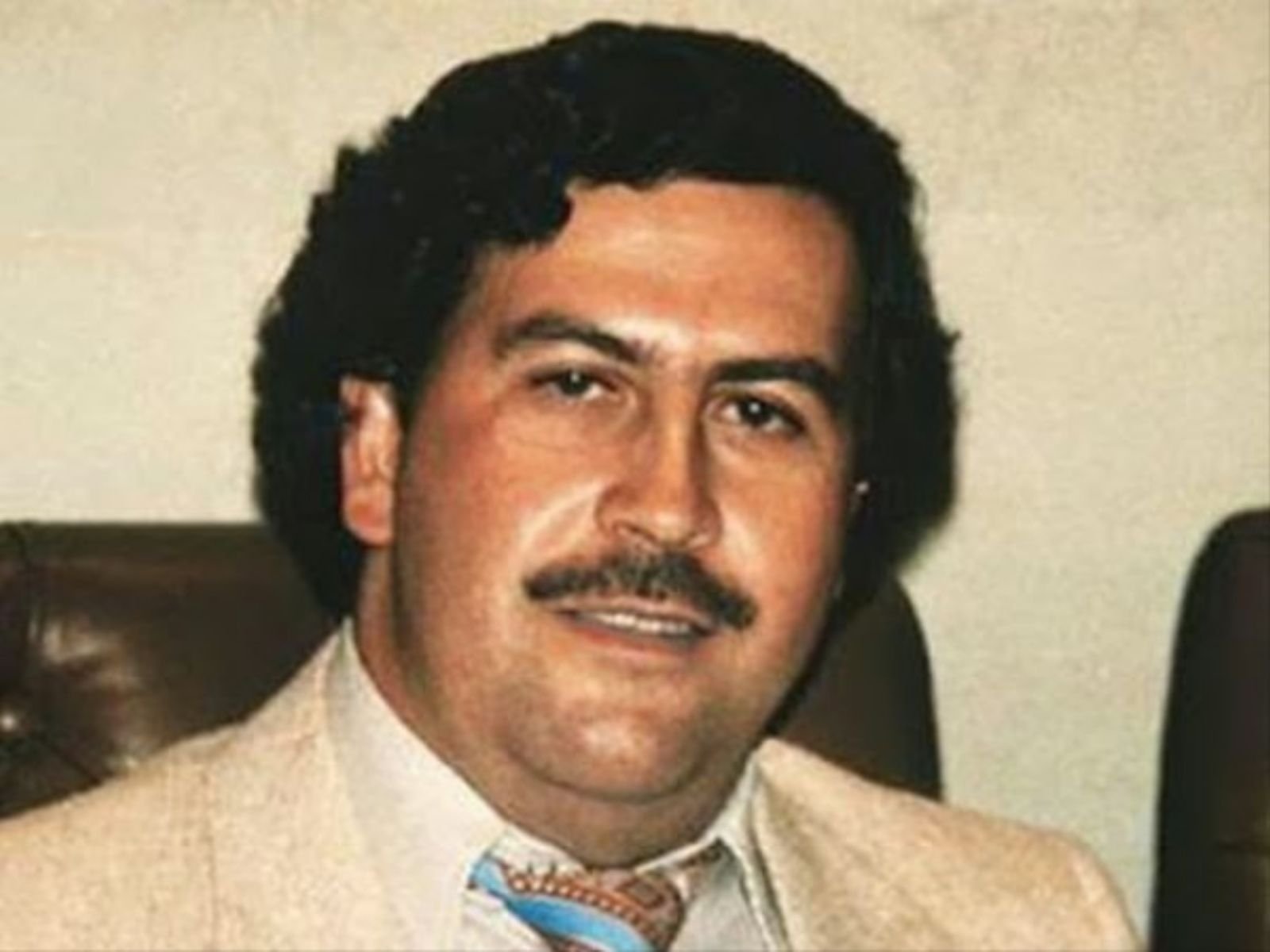
During the second half of the twentieth century, Colombia knew and feared Pablo Emilio Escobar Gaviria, one of the greatest criminals in world history. The criminal organisations he ran came to move more than 100 million dollars a month. Pablo Escobar founded the Medellín Cartel and amassed a personal fortune of over three billion dollars, listed by Forbes magazine as the third richest man in the world.
The Beginning of Pablo Escobar’s Criminal Life
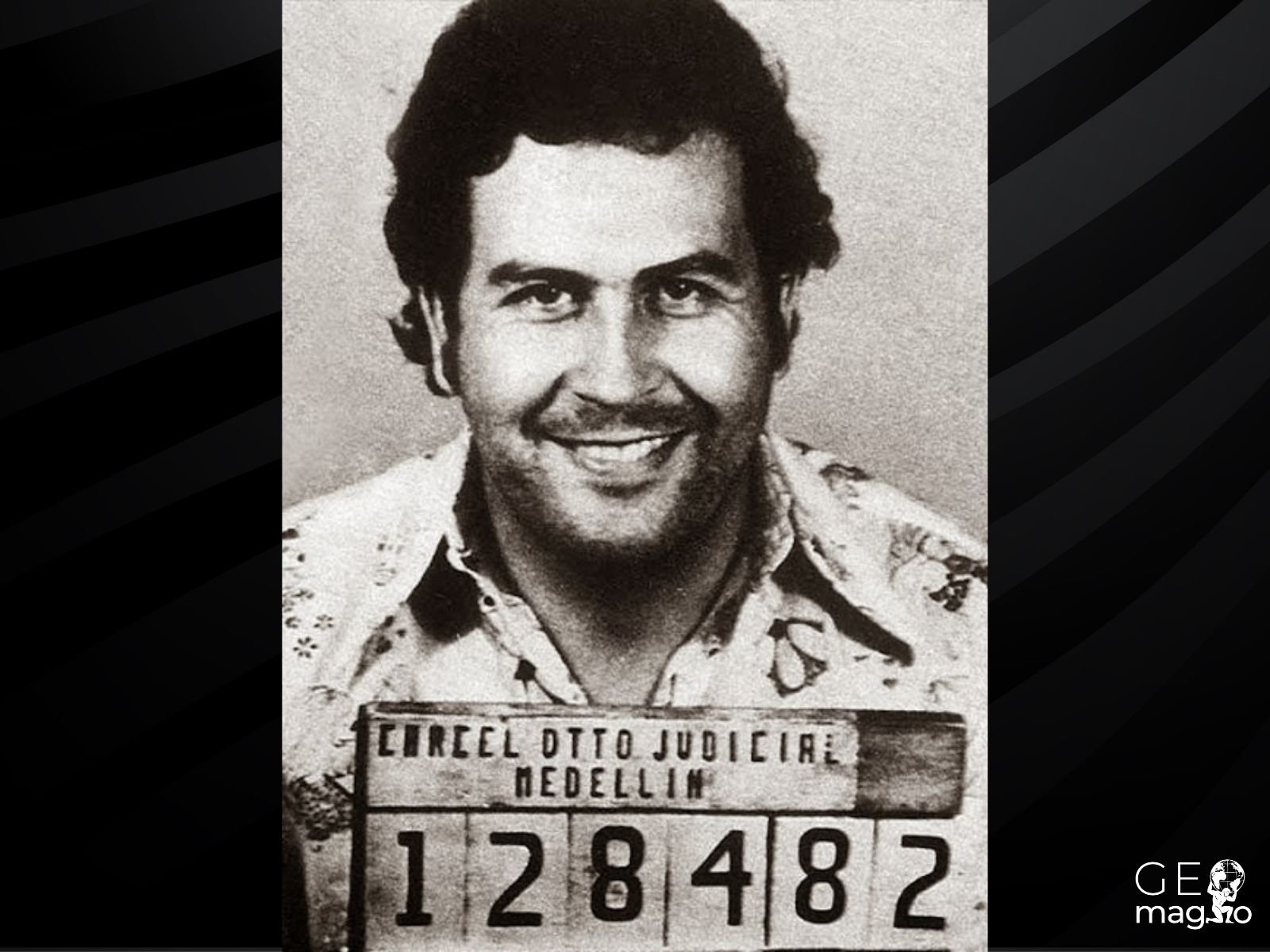
Pablo Escobar under arrest as a young man.
Pablo Escobar’s criminal life began quietly. He stole headstones from cemeteries, had them re-engraved and sold them on. He then moved to stealing vehicles in the streets of Medellín, and was arrested for the first time on 25 September 1974, while driving a car taken twenty days earlier from Guillermo Garcia. Held in Bellavista prison, he escaped on 30 May 1975. He was introduced to the cocaine trade by his cousin Gustavo Gaviria.
Escobar’s head for business, combined with his complete lack of scruples, quickly made him an unchallenged leader. During the 1970s he became a key figure in international drug trafficking. By then he was already known in the Miami underworld as El Padrino (the Godfather), and in 1977 the FBI identified him as a cocaine trafficker.
In 1978 the United States government opened an investigation against him, prompted by the smuggling of 19 tonnes of drugs by sea, organised by the company of the American John Doe together with the Colombians Carlos Lehder and the brothers Jorge Luis and Juan David Ochoa Vásquez.
Accumulating Power and Fortune
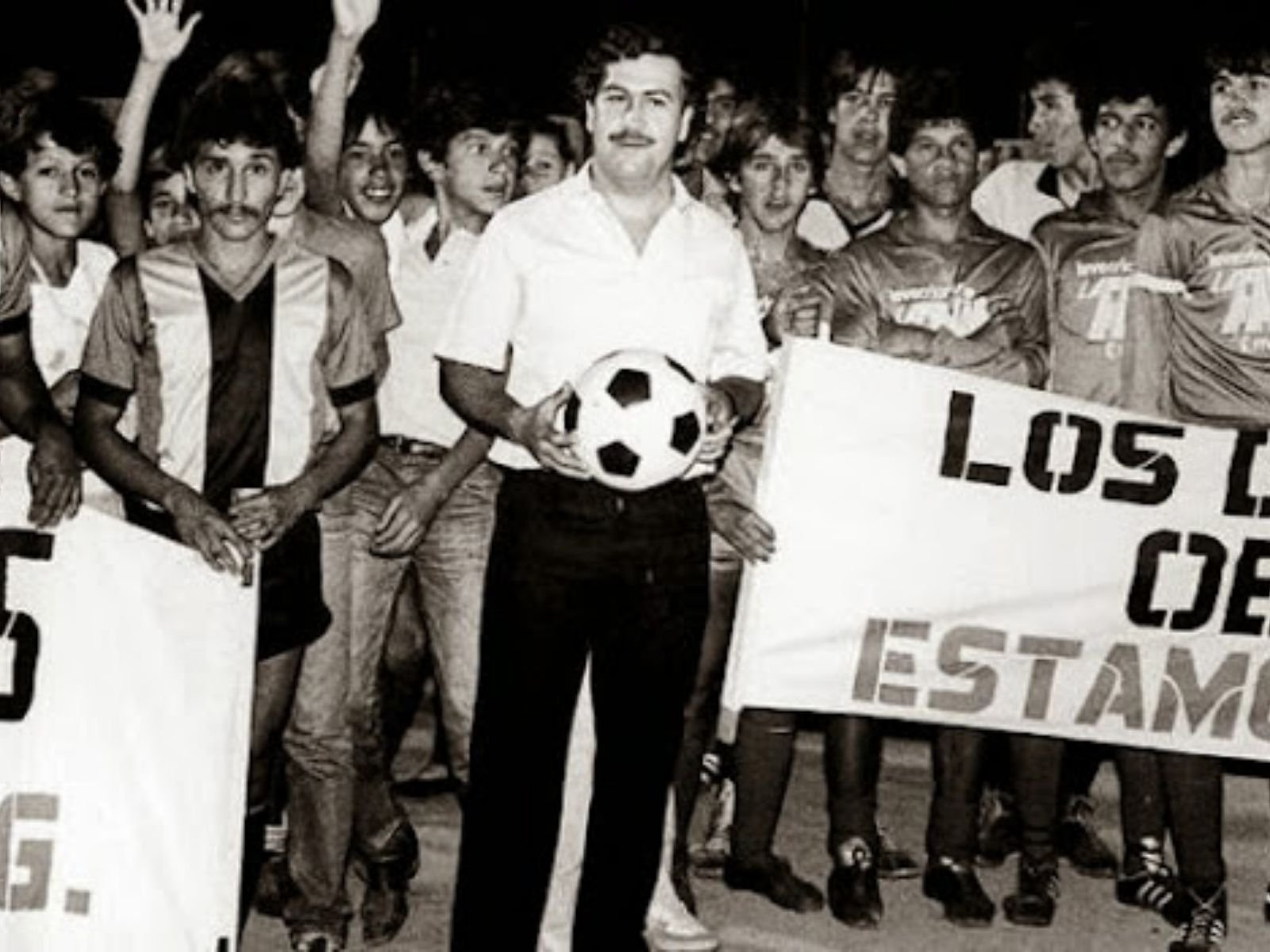
Pablo Escobar owned the traditional Colombian club Atlético Nacional, and used threats and bribes to make sure his team won its matches.
The power and fortune of “Pablito” Escobar were immeasurable. According to a 1981 report by the DEA, the United States drug enforcement agency, he had built his own paramilitary army, whose soldiers were known as sicarios, to fight the state, the FARC (Revolutionary Armed Forces of Colombia) and later the group Los Pepes (People Persecuted by Pablo Escobar). Escobar’s men spread terror and bloodshed across Colombia for more than a decade of bombings and assassinations.
To disguise his drug business and win popular support for a political career, Escobar carried out a number of charitable works for the poor, including the opening of several football pitches and the construction of an entire neighbourhood known as Medellín sin Tugurios (Medellín without Slums).
The Period Known as Narcoterrorism
Pablo Escobar imposed his own law on members of Colombia’s government, police and military, known as plata o plomo (silver or lead): those who refused his bribe were “rewarded” with a hail of bullets.
He was elected as an alternate to congressman Jairo Ortega Ramírez, but replaced him from the very first session of Congress, gaining considerable influence across every civil, economic, religious and social sector of the country.
In 1983 he was denounced and expelled from Congress by another congressman, Rodrigo Lara Bonilla, who later became Minister of Justice. Lara Bonilla began sharing intelligence with the United States, which led to the discovery of Tranquilandia, an illegal laboratory used by Escobar to process around 20 tonnes of cocaine a month. After the laboratory was shut down, Escobar and the Medellín Cartel cut ties with the FARC.
Rodrigo Lara Bonilla
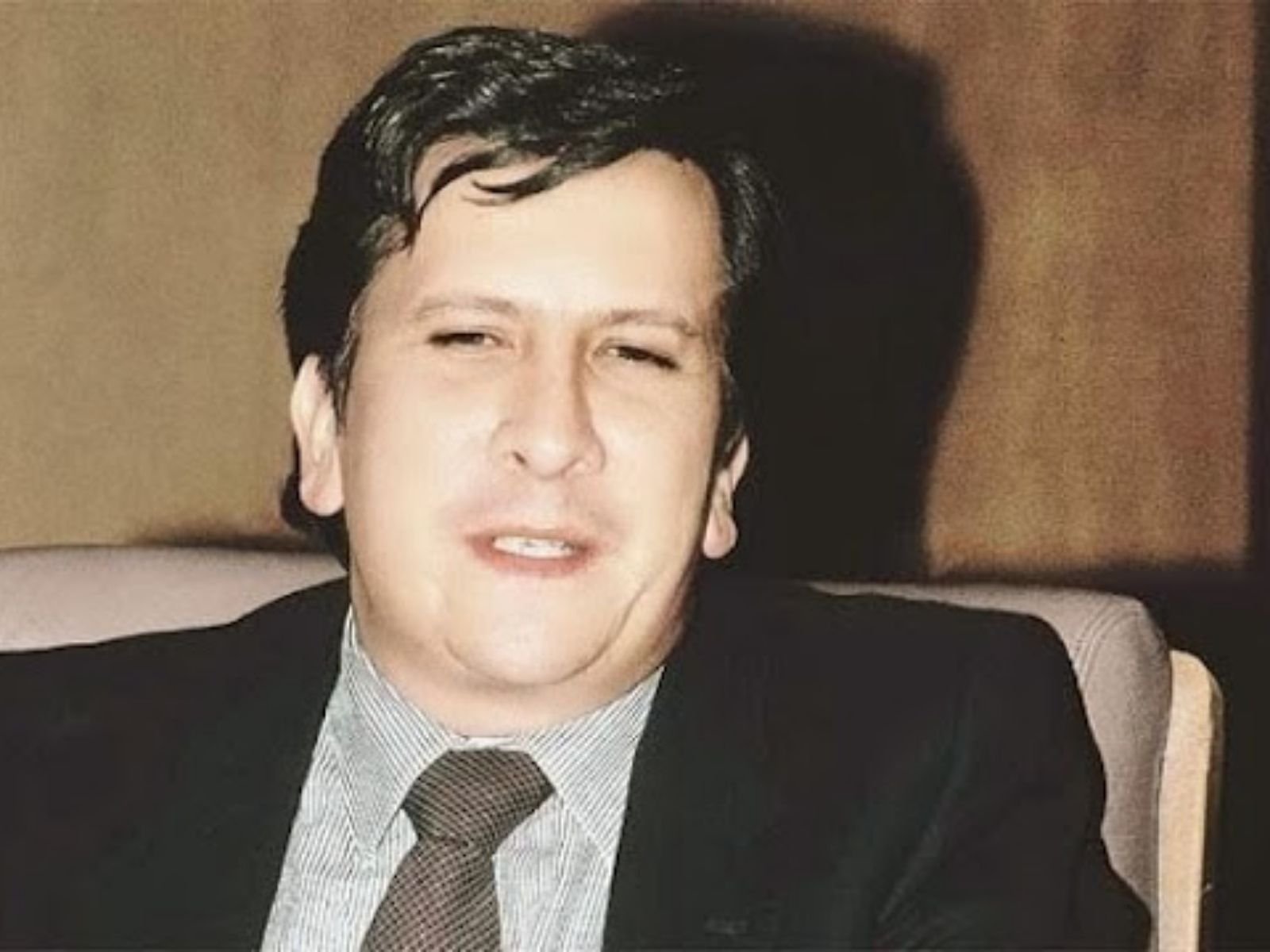
Rodrigo Lara Bonilla, Colombia’s Minister of Justice, assassinated on 30 April 1984.
In 1984, needing to protect his cocaine laboratories and other members of the group from capture and extradition to the United States, Escobar created a new organisation of assassins called “Los Extraditables”. It murdered Minister of Justice Rodrigo Lara Bonilla on 30 April 1984, then a year later Judge Tulio Manuel Castro Gil, who was investigating the minister’s death, and on 30 October 1986 Judge Gustavo Zuluaga Serna, who was investigating both killings. The group was also responsible for dozens of other murders of judicial officials.
Guillermo Cano
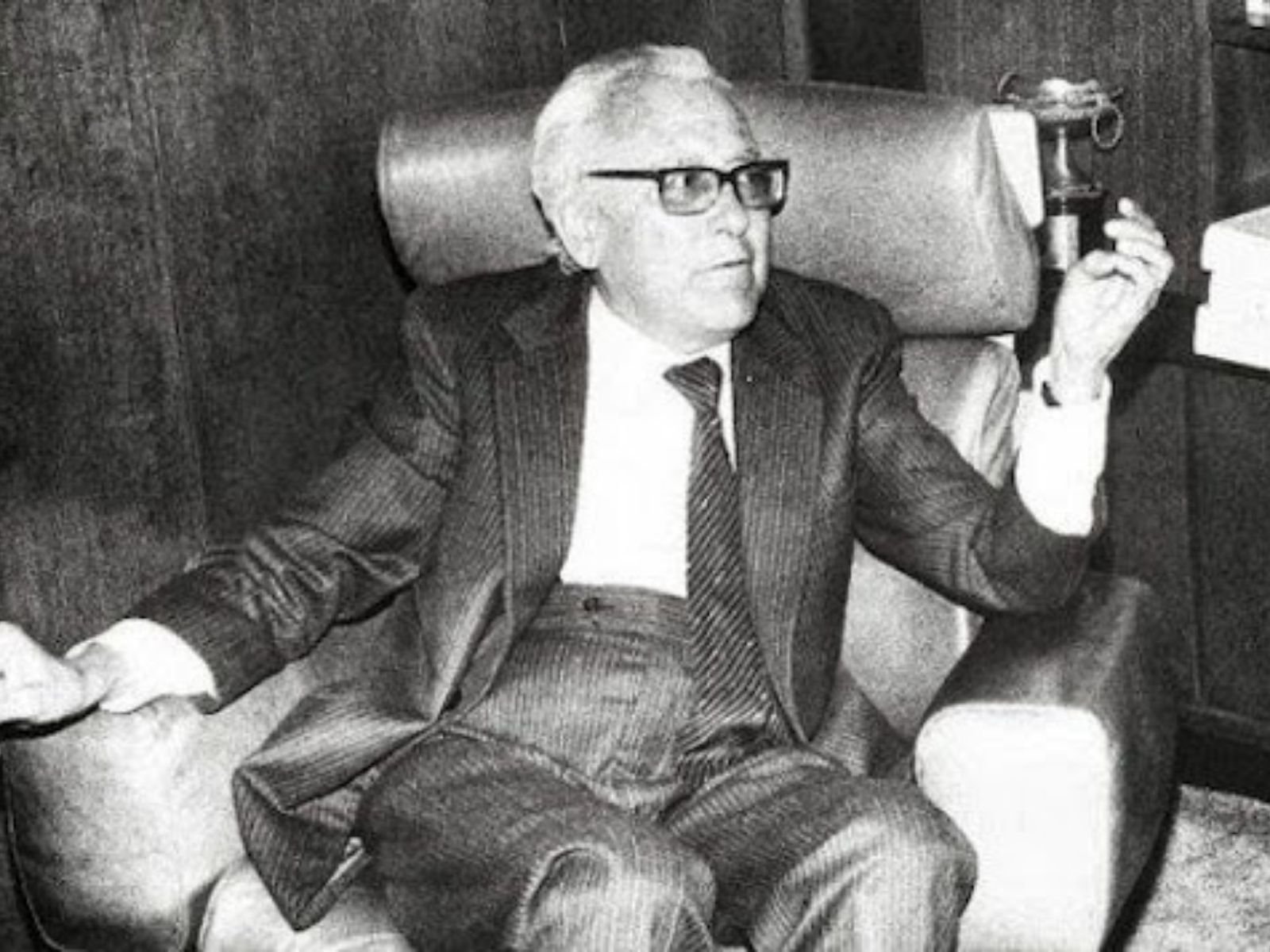
Guillermo Cano, editor of the newspaper El Espectador, shot dead by hitmen as he left the newsroom. Photo: El Espectador.
Guillermo Cano Isaza, editor of the Colombian newspaper El Espectador, published in the edition of 14 September 1983 images of Escobar from the time he was trafficking cocaine between Tulcán (Ecuador) and Medellín. Not a single copy of that edition was sold in Medellín, however, because the lorries carrying the print run were intercepted on the way. On 17 December 1986, as he left the El Espectador newsroom, Guillermo Cano became another of Pablo Escobar’s fatal victims.
Luis Carlos Galán
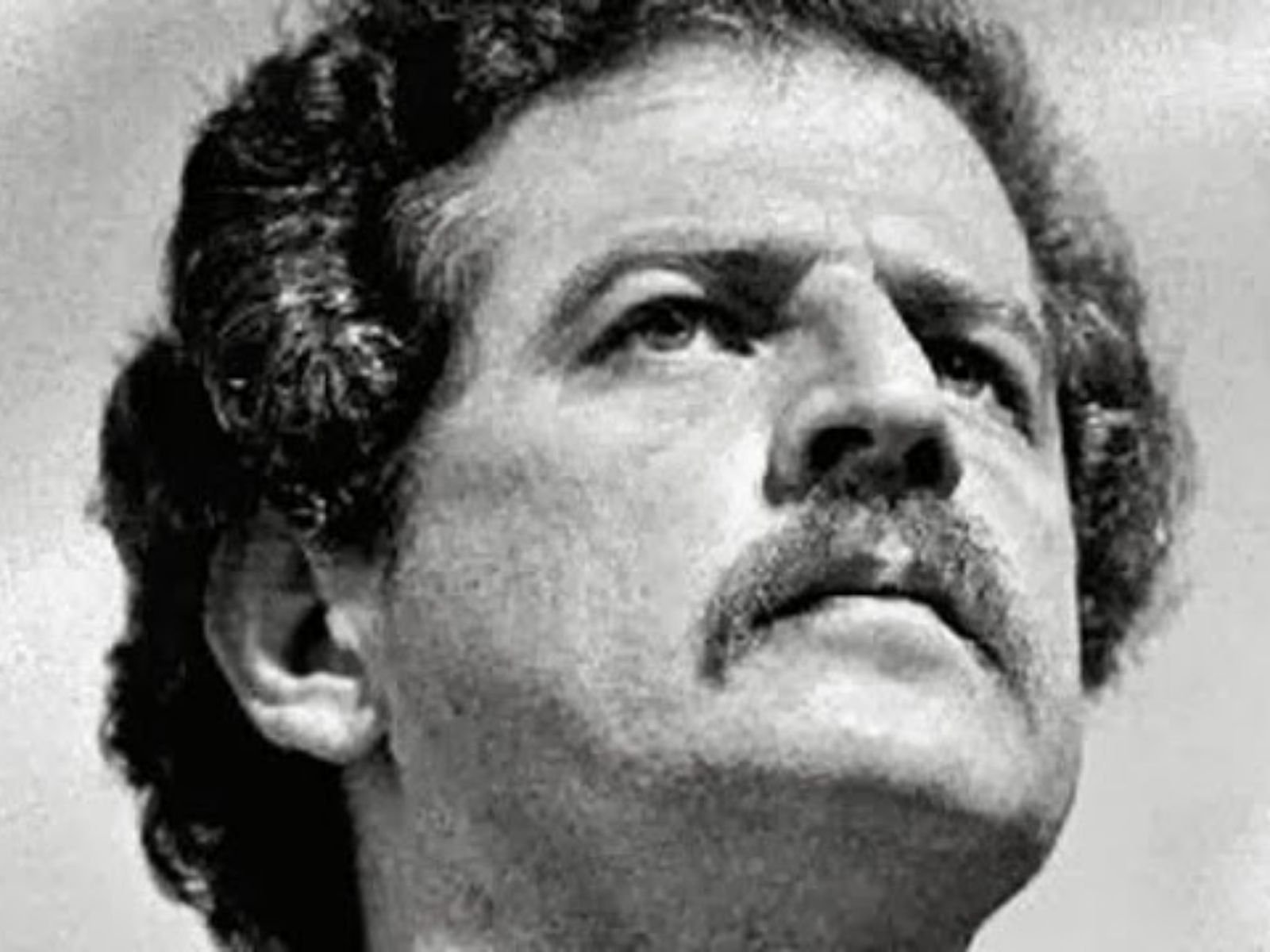
Luis Carlos Galán, presidential candidate in 1989, assassinated on Escobar’s orders.
The limitless money of Pablo Escobar and his criminal organisation allowed him to hire well-trained mercenaries from around the world, including Israelis, Britons and South Africans. More than 90 massacres are attributed to Escobar’s paramilitary group in the year 1986 alone. During the 1989 presidential campaign he had his opponent Luis Carlos Galán assassinated, a candidate with a clear lead in the polls who was already regarded as the next president.
The Attack on the DAS, Colombia’s Secret Police
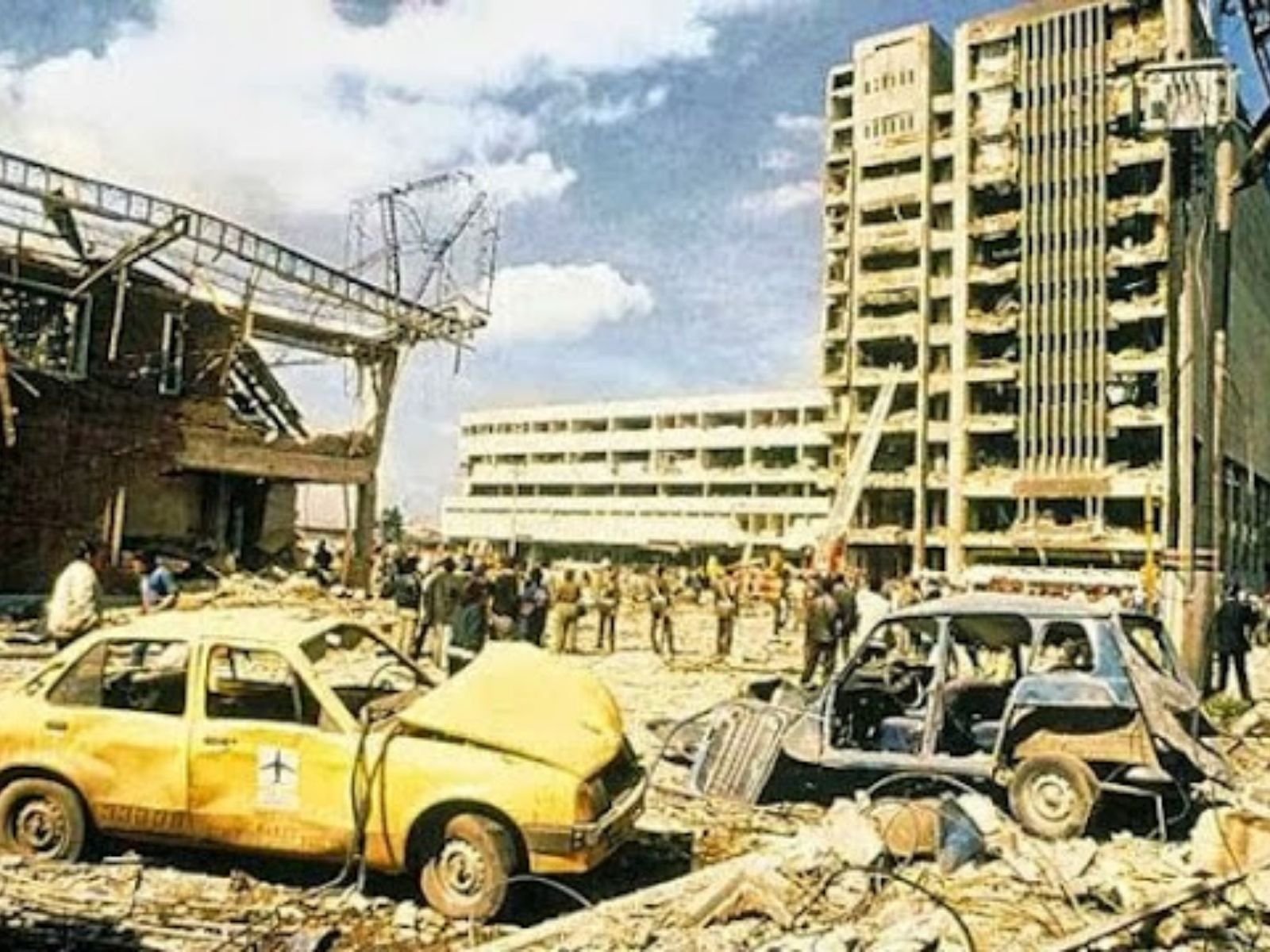
Pablo Escobar also blew up the building of the DAS, Colombia’s secret police, in an attempt to kill its director, General Miguel Alfredo Maza Márquez, who escaped unharmed even though the building was completely destroyed and the attack cost the lives of around seventy people. Photo: El Espectador.
The Seizure of the Palace of Justice in November 1985
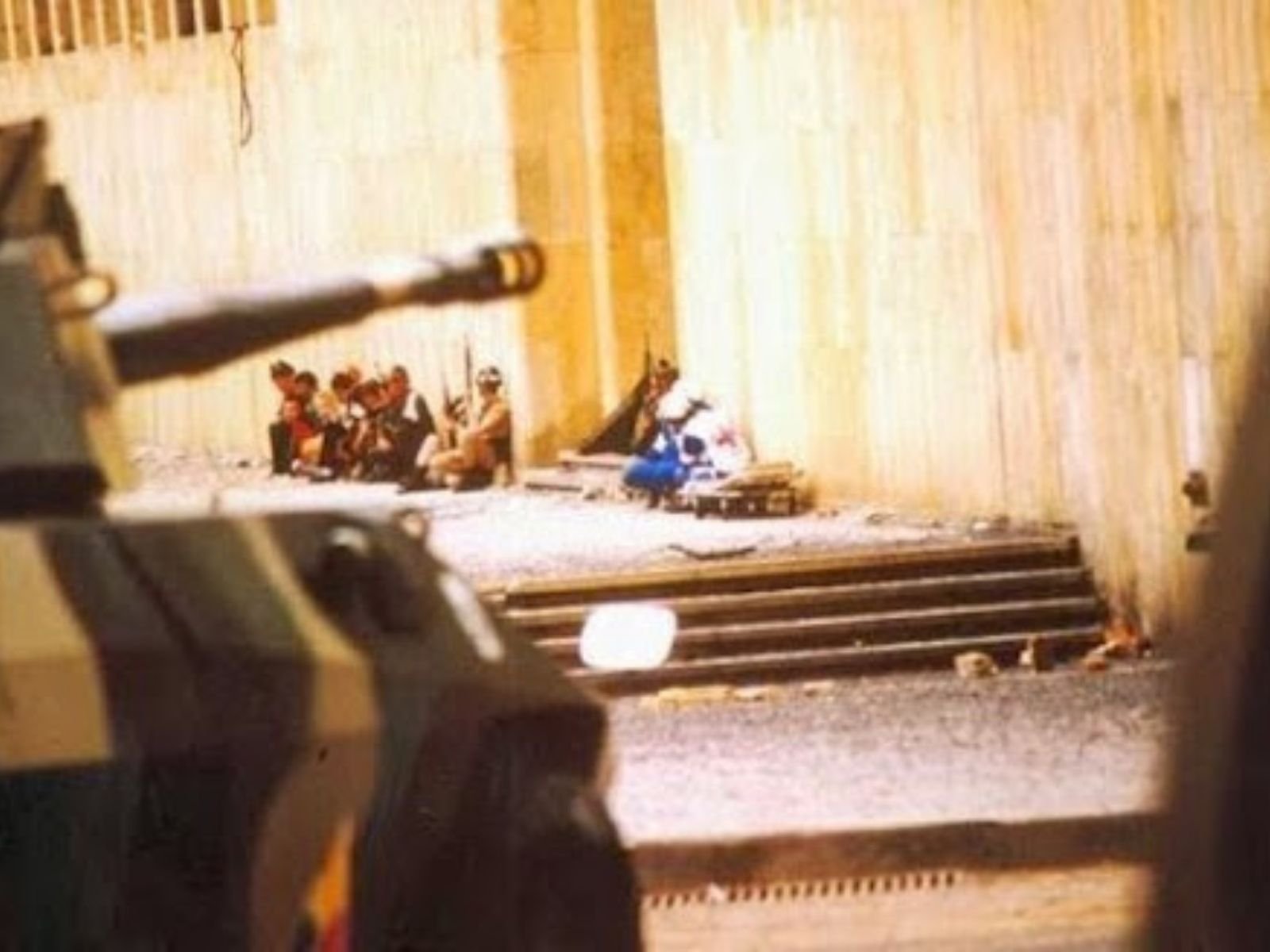
A bloody confrontation between paramilitaries and government forces followed the storming of Colombia’s Palace of Justice. Photo: El Tiempo
The seizure of the Palace of Justice in Bogotá, also known as Operación Antonio Nariño and as the Holocaust of the Palace of Justice, took place on 6 November 1985 and was carried out by the paramilitary group Movimiento 19 de abril (M-19), financed by the Medellín Cartel. The National Police and the Colombian Army counter-attacked immediately. Retaking the palace stretched over the following 27 hours. M-19 held around 350 hostages, among them judges, councillors of state, public servants and visitors.
In that brutal assault, 98 people died during the fighting, including 11 judges. Another 10 people were declared missing. The Inter-American Court of Human Rights described the episode as a “massacre” and a “holocaust”. According to testimony given to a Truth Commission in 2005, Pablo Escobar had paid M-19 two million dollars to seize the Palace of Justice.
The Day Pablo Escobar Ordered a Plane to Be Brought Down
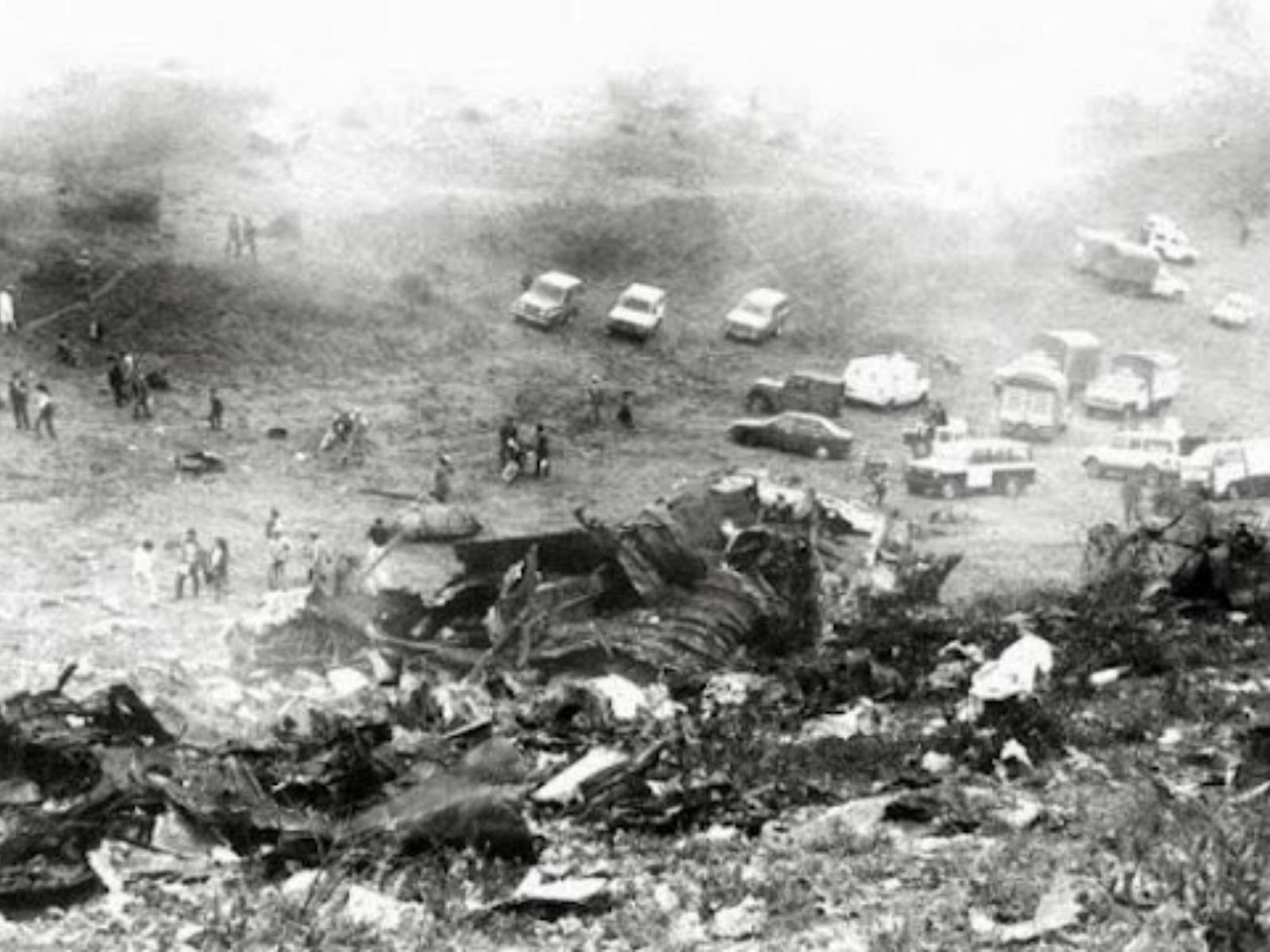
The crash site of the Avianca Boeing 727, brought down by a bomb planted on board by Pablo Escobar’s criminal organisation.
At 7.13 a.m. on 27 November 1989, the Boeing 727 flown by Captain José Ignacio Ossa took off from the city of Cali. Minutes later, Avianca flight HK 1803 lost contact with the control tower, and at that same moment residents of the municipality of Soacha began reporting that they had seen a plane explode in mid-air.
What was first thought to be an accident caused by technical failure turned out to be an act of narcoterrorism without precedent at the time. There were no survivors. The bomb planted by the Medellín Cartel left 107 people dead. All that remained was twisted metal, pieces of aircraft, scattered luggage and mutilated bodies over an area of more than five square kilometres.
Investigations by the Colombian judiciary and air force, supported by the FBI, found that the attack had been devised by Pablo Escobar and backed by other mobsters, such as Dario Usma Cano.
The perpetrators believed that presidential candidate César Augusto Gaviria Trujillo would be on board, as he had also travelled from Cali that day, although he was in a private aircraft. Six months after the attack, César Gaviria was elected president of Colombia, an office he held until 1994. The bombing of Avianca flight HK 1803 left Colombians with a stark measure of the power of the organisation led by Pablo Escobar.
Escobar’s Shrewd Political Game
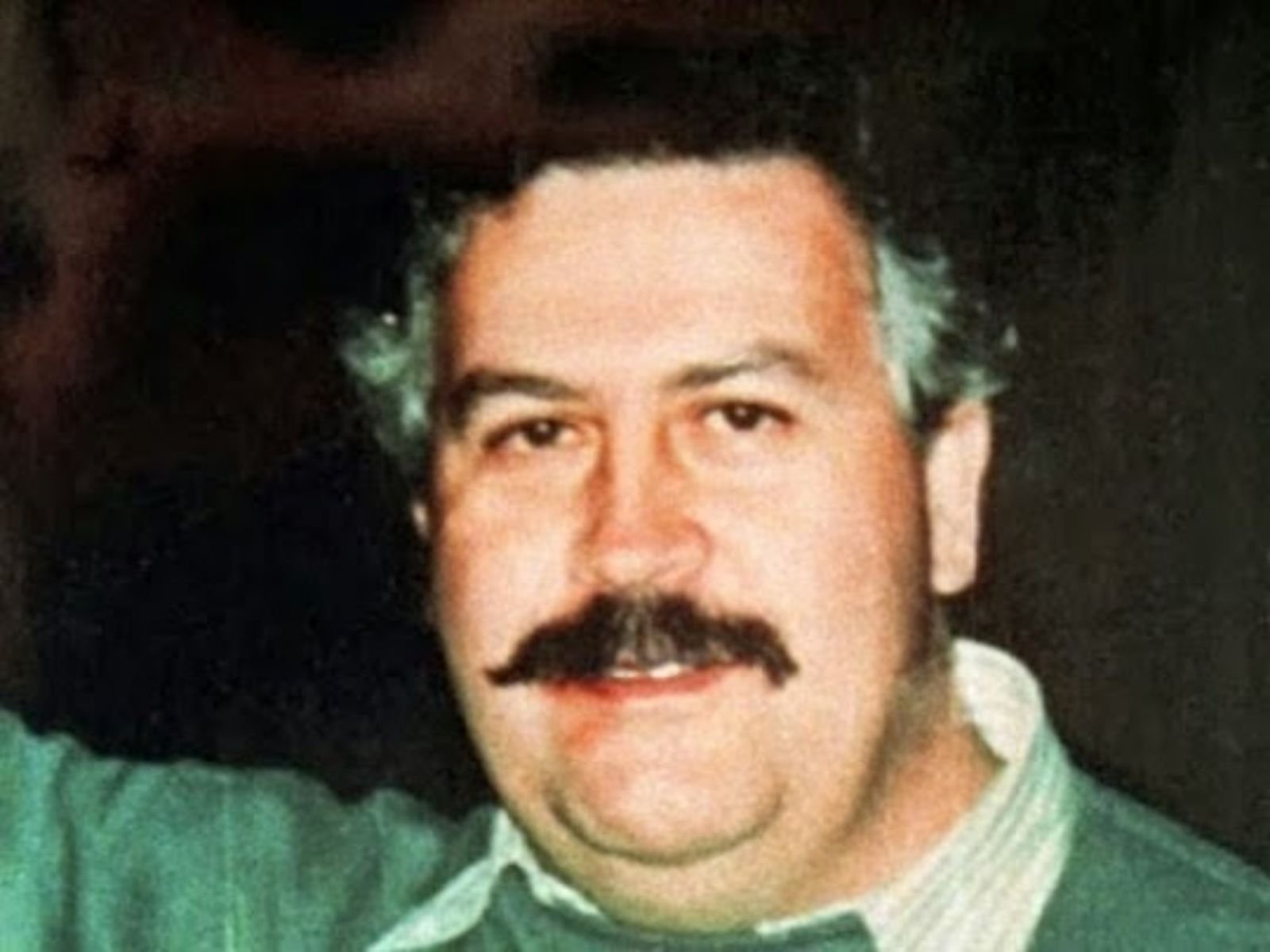
Pablo Escobar in a photograph taken in 1991.
After terrorising the government of President César Gaviria Trujillo with acts of violence, Pablo Escobar surrendered to the authorities in June 1991, on condition that he would not be extradited to the United States. By then he had already consolidated his monopoly over every air and sea route for exporting cocaine.
He was confined in La Catedral, a prison in the municipality of Envigado, built to Escobar’s own specifications. Imprisonment did not stop him from continuing to commit crimes and running the Medellín Cartel. During this period Escobar ordered the deaths of old associates from the mafia, among them the Moncada Galeano brothers.
The murder of the Moncada brothers gave rise to a new paramilitary group. Los Pepes (People Persecuted by Pablo Escobar) used the same terrorist and guerrilla tactics to confront the powerful crime boss. The group began assassinating Escobar’s lawyers, planting bombs on his properties and pushing the country decisively into a wave of violence and bloodshed.
On 20 July 1992, after learning that he was to be transferred to another prison, Escobar walked out unhindered and resumed running his criminal operations outside the bars.
The Death of Pablo Escobar
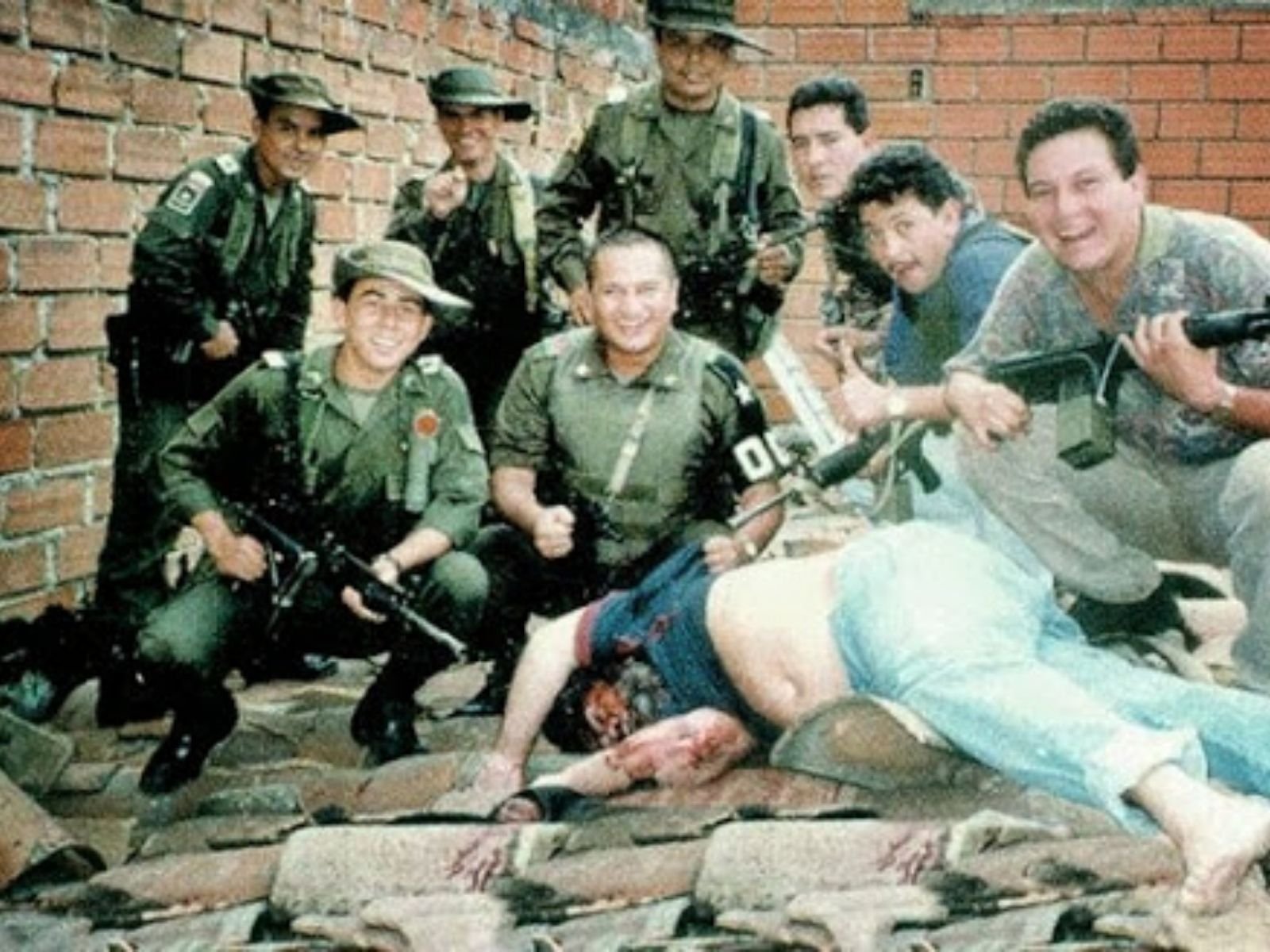
“Es Pablo, es Pablo… ¡Viva Colombia! ¡Está muerto!”
Hugo Heliodoro Aguilar, who led the operation that killed Pablo Escobar.
On 2 December 1993, at 2.59 p.m. local time, Pablo Escobar finally fell before an elite unit commanded by Colonel Hugo Martínez. Colombian intelligence had traced a call from Escobar to his son, made from house number 450-94 on 79th Street.
The military operation lasted just 15 minutes. Escobar and his escort opened fire on the soldiers. His personal bodyguard, Álvaro de Jesús Agudelo, known as El Limón, tried to hold up the assault team while Escobar climbed onto the roof of the house in an attempt to escape. He was hit several times and died instantly.
The body of the powerful trafficker was taken to the Institute of Forensic Medicine for autopsy, where it was confirmed that this was indeed the most wanted criminal in Colombian history. Pablo Emilio Escobar Gaviria was the son of Abel Escobar and Hermilda Gaviria de Escobar. He was born in the municipality of Rionegro on 1 December 1949 and died at the age of 44.
Legacy
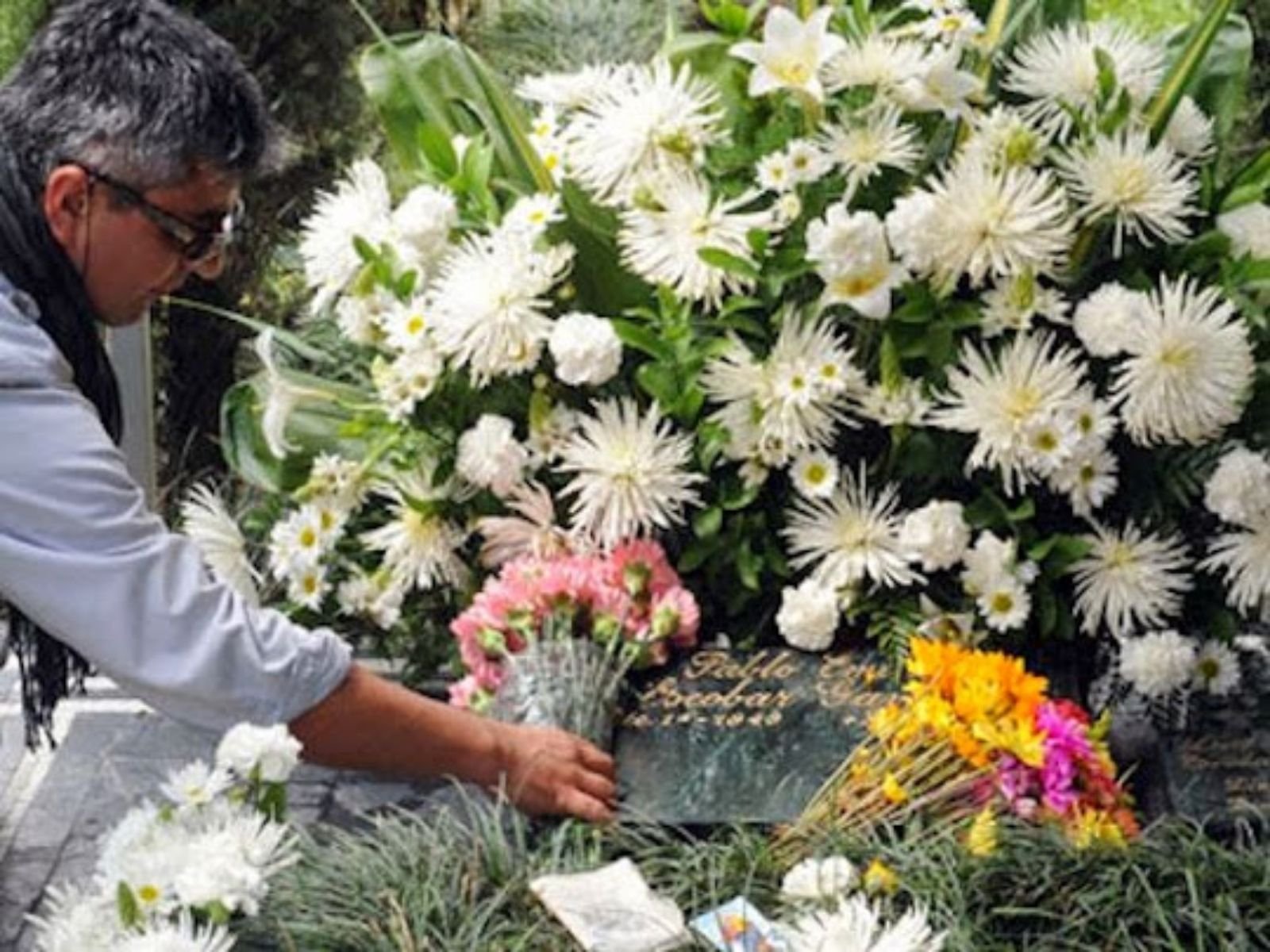
Pablo Escobar’s grave became a tourist attraction. Photo: Associated Press
Pablo Escobar married Maria Victoria Henao Vallejo in 1976, when she was only 15 years old. He left two children, Juan Pablo and Manuela. He was known for his extramarital affairs, above all with underage girls. One of them was with Virginia Vallejo, who later became a well-known figure on Colombian television.
Escobar was responsible for more than 6,000 homicides during his criminal career and gave Colombia one of the darkest periods in its history. His grave in Medellín became a tourist attraction and receives thousands of visitors every year.
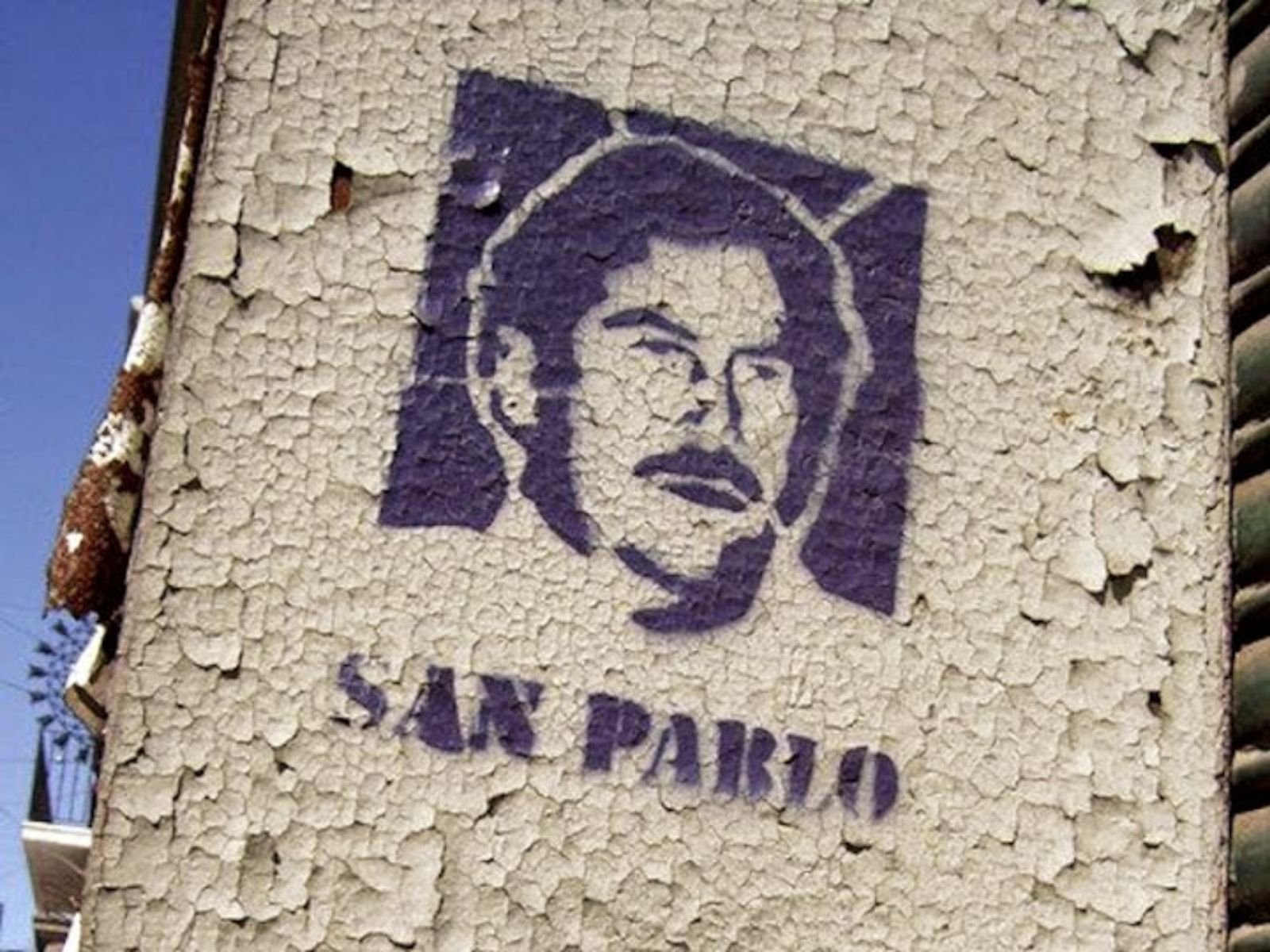
Graffiti of Pablo Escobar bearing the inscription “San Pablo”. Artist unknown.
Author’s Note
Read Also
Bibliographic References
- “Pablo Escobar, el peor criminal de nuestra historia.” El Espectador. https://www.elespectador.com/especiales/pablo-escobar-el-peor-criminal-de-nuestra-historia-388615/.
- “Asesinado magistrado de Medellín.” El Espectador. https://www.elespectador.com/especiales/asesinado-magistrado-de-medellin-348079/.
- “Pablo Escobar, el narcotraficante más grande jamás conocido.” Taringa!.
- “La historia negra del fútbol nacional: gran especial de Futbolred.” El Tiempo. https://www.eltiempo.com/archivo/documento/CMS-8089363.
- “Asesinado el ministro de Justicia Rodrigo Lara Bonilla.” El Espectador. https://www.elespectador.com/especiales/asesinado-el-ministro-de-justicia-rodrigo-lara-bonilla-348081/.
- “Asesinado el director de El Espectador.” El Espectador. https://www.elespectador.com/especiales/asesinado-el-director-de-el-espectador-articulo-347880.
- “Biography of Pablo Escobar: Colombia’s Drug Kingpin.” ThoughtCo. https://www.thoughtco.com/biography-of-pablo-escobar-2136126.
- “El fatídico vuelo del HK 1803 de Avianca.” El Espectador. https://www.elespectador.com/investigacion/el-fatidico-vuelo-del-hk-1803-de-avianca-article-378137/.
- “En un tejado acabó la carrera del capo.” El Espectador. https://www.elespectador.com/especiales/en-un-tejado-acabo-la-carrera-del-capo-348087/.
- “A Pablo Escobar lo mató su propia imagen.” El Espectador. https://www.elespectador.com/especiales/a-pablo-escobar-lo-mato-su-propia-imagen-388353/.