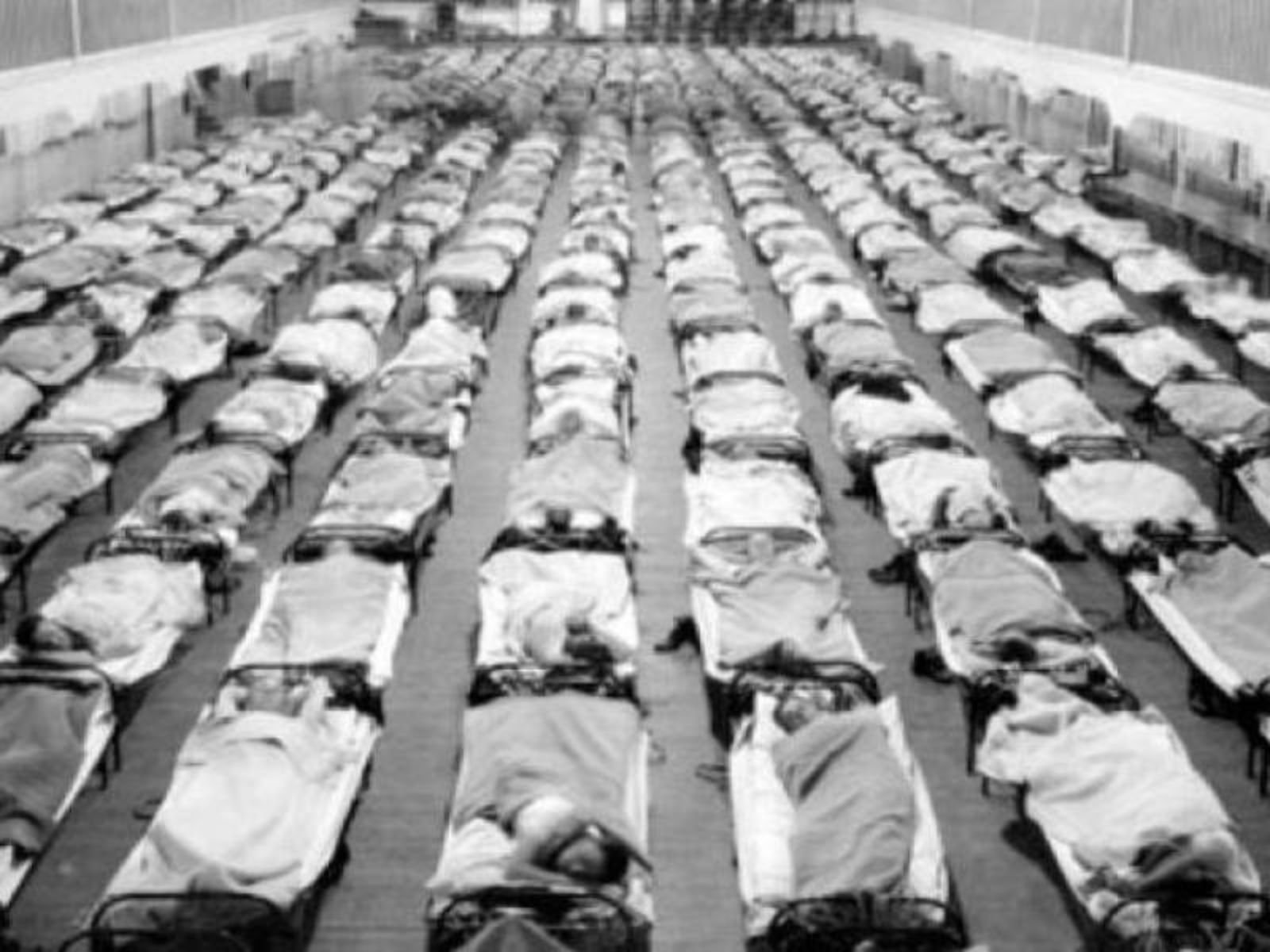
The deadly influenza pandemic known as the Spanish Flu, “La Grippe” and the “Dancer“, was the most devastating epidemic in world history. The Spanish flu epidemic (January 1918 to December 1920) reached every continent and infected around 500 million people, a third of the planet’s population at the time, causing some 50 million deaths. Some more recent estimates, however, suggest the death toll may have reached the staggering figure of 100 million, far exceeding the number killed in the First World War, which was ending in that same period.
Origin: Spain, France or Kansas (USA)?
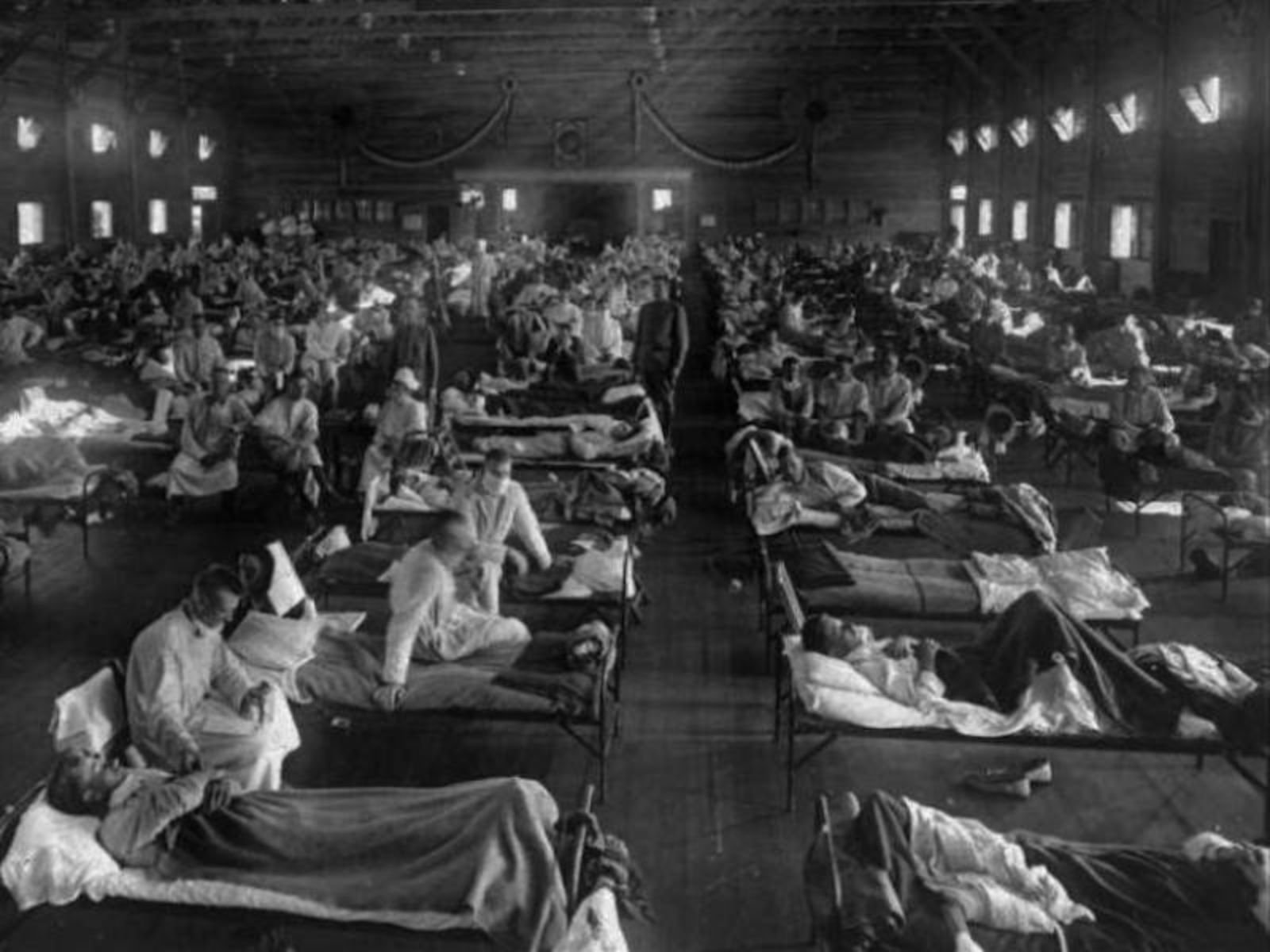
Victims of the Spanish Flu in an emergency hospital near Fort Riley, Kansas, United States, 1918. Photo: AP – National Museum of Health.
Despite the name, the pandemic did not begin in Spain. The true origin of the 1918 H1N1 virus is a debate that persists among historians and virologists. One of the most widely accepted theories points to Haskell County, Kansas, in the United States, in early 1918, where a new and virulent form of influenza is thought to have emerged among herds of cattle and pigs before jumping to humans.
From the United States it would have been carried to Camp Funston (today Fort Riley), an enormous military training centre preparing American soldiers for the battlefields of Europe. On 4 March 1918 the company cook, Private Albert Gitchell, reported to the infirmary with a headache, sore throat and high fever. Within hours more than a hundred other soldiers had similar symptoms. Within weeks thousands were ill. The overcrowded camp, with soldiers from across the country, became the perfect incubator for the virus, which would soon travel with them across the Atlantic.
Another compelling theory, put forward in 1999 by a team led by the British virologist John Oxford, suggests that the epicentre of the pandemic was a field hospital at Étaples, in France. This vast transit and hospital camp processed 100,000 soldiers a day and had pigsties and poultry farms nearby.
The Mutation Theory
John Oxford argues that a precursor of the “Spanish flu” virus, hosted in birds, mutated in pigs kept near the front, creating the lethal strain that then spread among the soldiers. Whatever its exact geographical origin, it is undeniable that the conditions of the First World War, which included overcrowded camps, malnutrition, the mass movement of troops and insanitary trenches, created the perfect conditions for the virus to spread across the globe.
Why “Spanish Flu”?
During the First World War the press in the belligerent countries, such as France, Germany, the United Kingdom and the United States, was rigidly censored. To keep morale high and reveal no weakness to the enemy, governments suppressed news of the disease spreading among their troops and civilian populations.
In Spain, however, which remained neutral in the conflict, the press was subject to no such restrictions. Newspapers reported freely on the disease spreading through the country, including the infection of King Alfonso XIII. That open coverage created the false impression that Spanish territory was the worst affected or the point of origin of the epidemic, which ended up with the unfair nickname of “Spanish Flu”.
The Three Waves of Death of the Spanish Flu
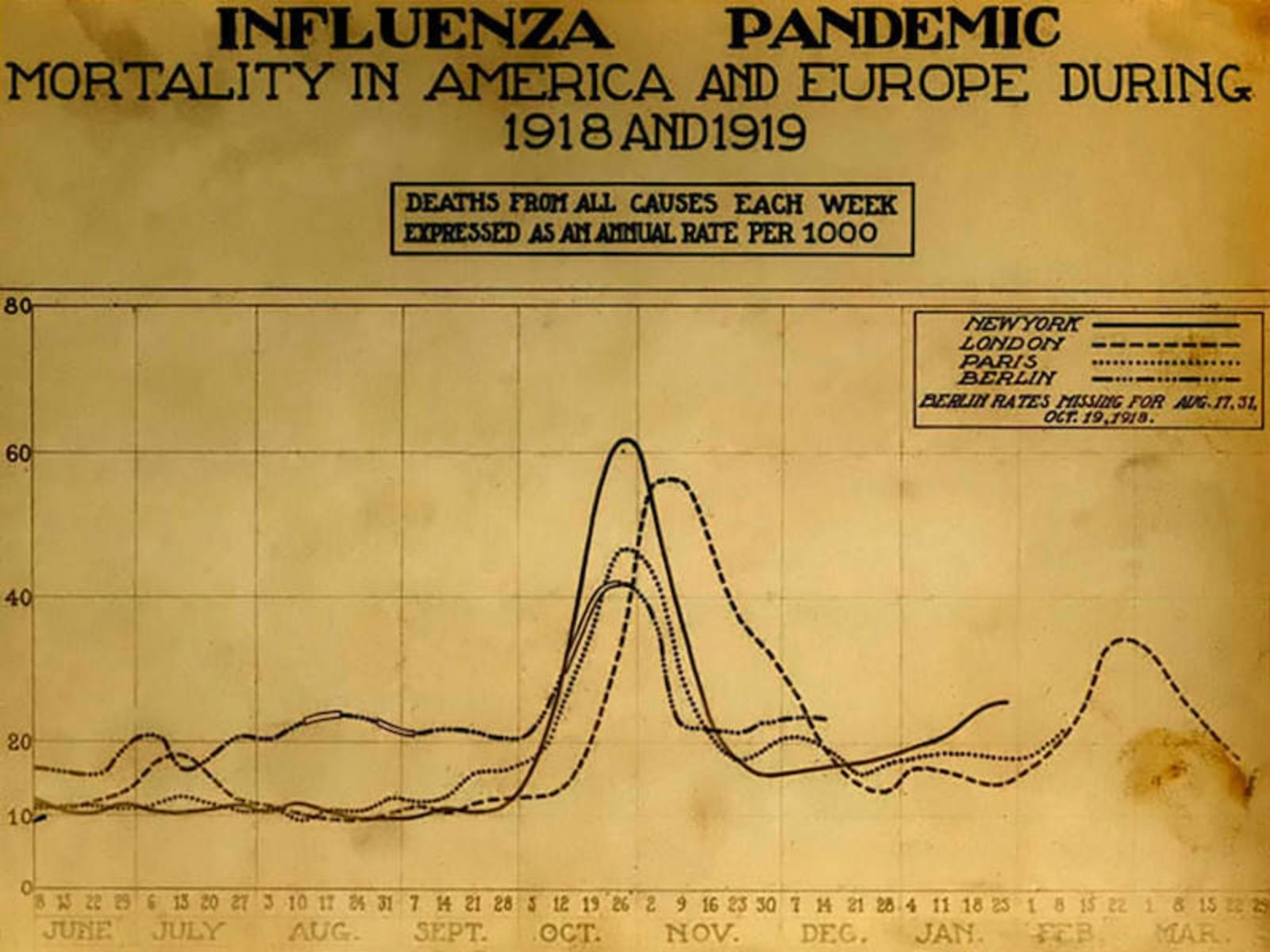
Mortality chart of the disease in the United States and European countries.
The 1918 pandemic was not a single monolithic event but a series of three distinct and increasingly deadly waves that struck the entire planet between 1918 and 1920.
First Wave
The first wave, in the spring of 1918, was relatively mild. The symptoms were those of a typical flu: chills, fatigue and fever. The mortality rate was low, and most patients recovered after a few days. The initial wave did, however, allow the virus to spread around the world, carried by troop movements during the Great War.
Second Wave
The second wave, in the autumn of 1918, was the most devastating. The virus had mutated and become extraordinarily virulent. Unlike most influenza viruses, which disproportionately attack children, the elderly and patients in poor health, the mutant strain of the 1918 H1N1 virus killed predominantly healthy young adults aged between 20 and 40.
The symptoms were swift and terrible. Patients developed extremely high fevers and severe pneumonia. One distinctive feature was heliotrope cyanosis, a bluish or purplish discolouration of the skin, especially around the face and extremities, caused by a lack of oxygen in the blood. The patients’ lungs filled with fluid, causing them to drown inside their own bodies. Death could come in a matter of days or even hours.
Third Wave
The third wave, in the winter of 1919, was less lethal than the second but still deadlier than a typical seasonal flu. It spread to many parts of the world, including Australia, which had managed to remain relatively isolated until then. By the end of 1920 the virus continued to circulate but had lost its extreme virulence, evolving into the seasonal flu strains we know today.
Cytokine Storm: Why Did So Many Young People Die?
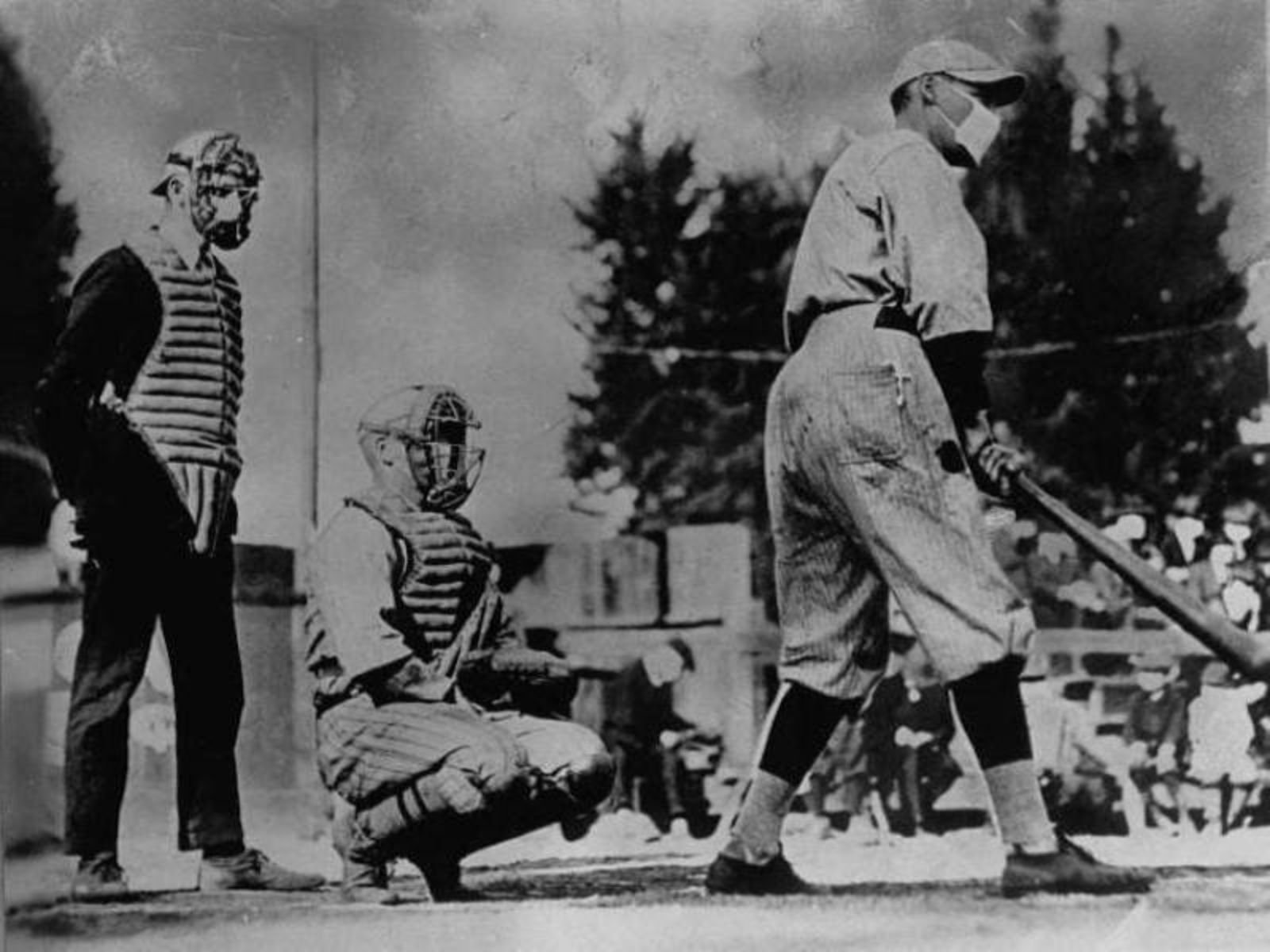
Baseball players wear masks to reduce the risk of infection by the Spanish Flu virus in 1918, a scene that would repeat itself in sport more than a century later with COVID-19. Photo: Underwood And Underwood/The LIFE Images Collection.
The high mortality rate among healthy young adults was one of the most baffling aspects of the 1918 pandemic. Modern research offers a likely explanation: the “cytokine storm”. The immune system of a healthy young adult, on encountering a new and aggressive pathogen such as the 1918 virus, can overreact.
The body releases a massive quantity of cytokines, signalling proteins that normally help coordinate the immune response. In a cytokine storm, however, that response becomes uncontrolled and hyperactive, causing fluid to accumulate in the lungs and severe inflammation. In short, it was the young people’s own robust immune system that, in trying to fight the virus, ended up destroying lung tissue and causing death.
Older people, on the other hand, may have had some residual immunity from earlier exposure to other influenza viruses, and their immune systems, naturally less reactive, did not mount such a self-destructive response.
Public Health Measures During the Spanish Flu
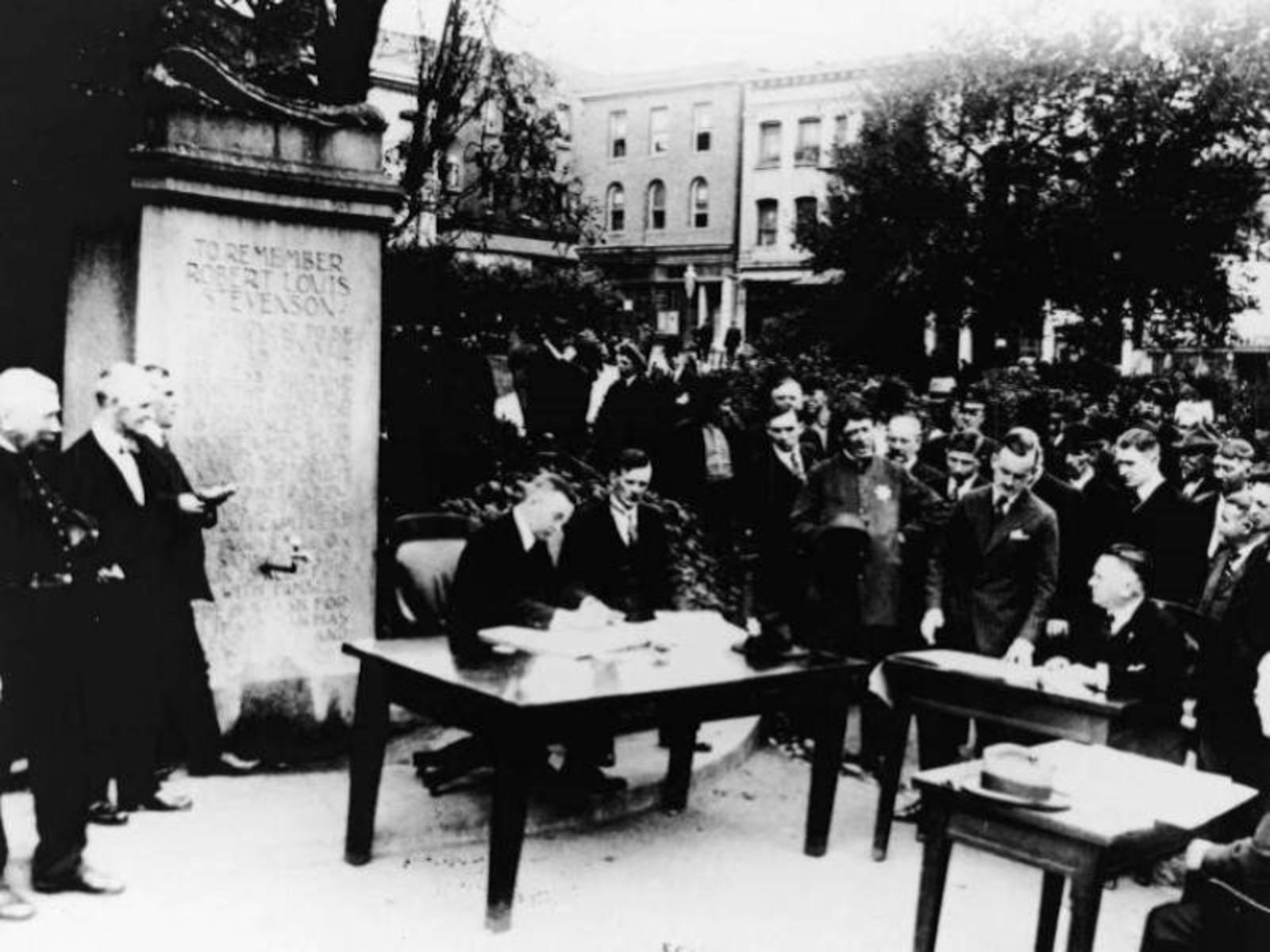
A session of the San Francisco court, in California, held in the open air during the Influenza A epidemic to prevent the spread of the virus. 1918. Hulton Archive.
Faced with an invisible enemy and without the tools of modern medicine, such as antibiotics to treat secondary pneumonia or vaccines to prevent infection, the world in 1918 fell back on methods of disease control dating from the Middle Ages. Non-pharmaceutical interventions (NPIs) became the main line of defence.
Cities around the world implemented, with varying degrees of success and rigour, a series of measures to try to contain the spread of the virus. Isolation and quarantine were widely used. Sick people were confined to their homes, often with a notice on the door warning the public of the presence of influenza.
Closing public places was a common measure: schools, churches, dance halls and theatres were shut. Public gatherings, such as rallies and parades, were banned. In some cities resistance to these measures was fierce, with civilians protesting against the economic losses and the restriction of individual liberties.
Strict Hygiene and Protective Masks
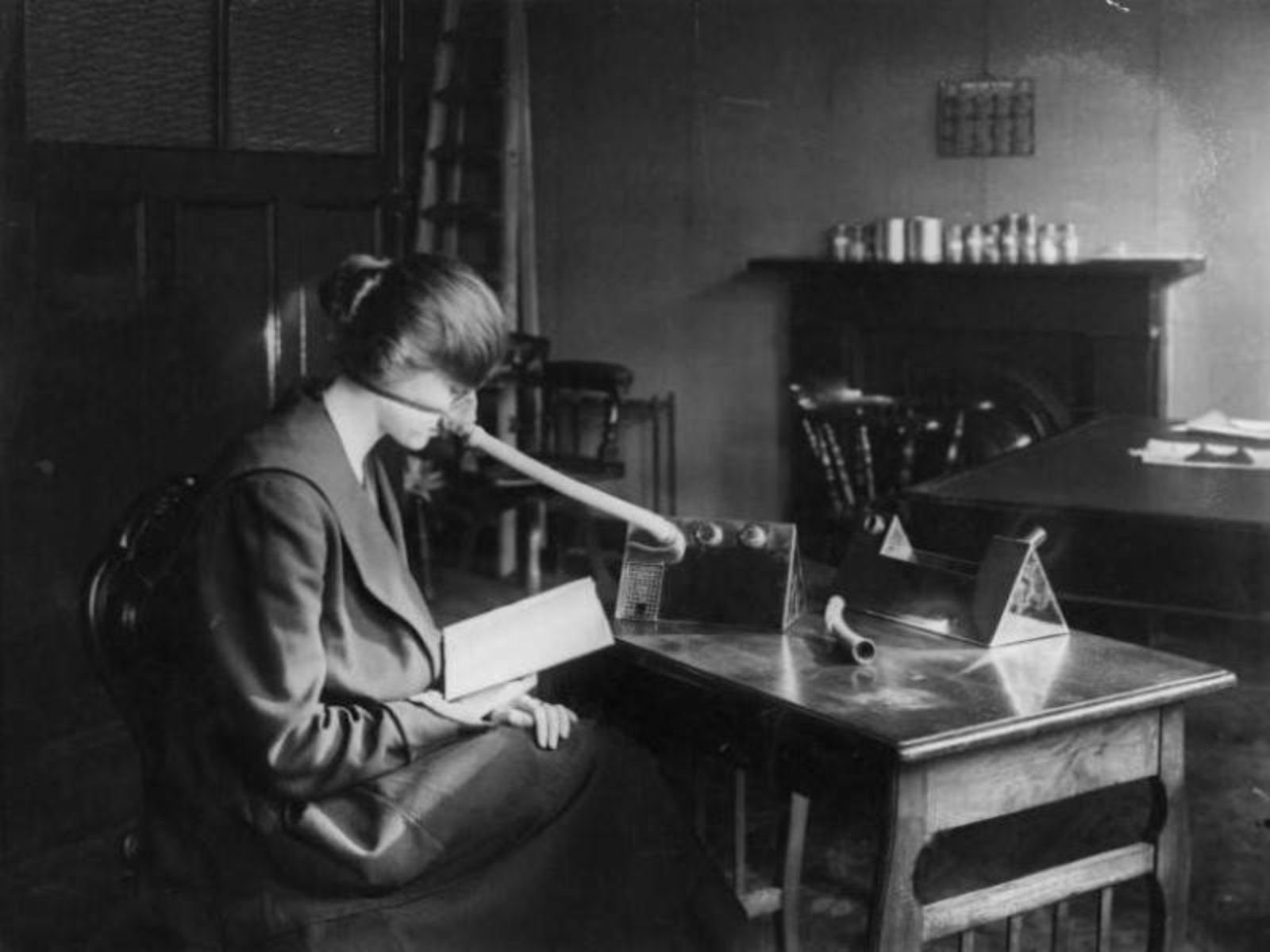
A patient wearing an “anti-flu” mask in 1918. The use of masks became a common sight and, in many places, compulsory. Photo: Topical Press Agency.
Wearing gauze masks became compulsory in many cities, such as San Francisco, where citizens who did not wear a mask in public could be fined or arrested. The effectiveness of those cloth masks was limited, but they served as a powerful visual reminder of the crisis and a symbol of civic responsibility.
Public hygiene also received a great deal of attention. Street-cleaning teams were mobilised, and the population was encouraged to maintain personal cleanliness and disinfect their homes. Everyday life was drastically altered. The need for social distancing forced the adaptation of essential and leisure activities alike.
Civilian Mobilisation: Anonymous Heroes
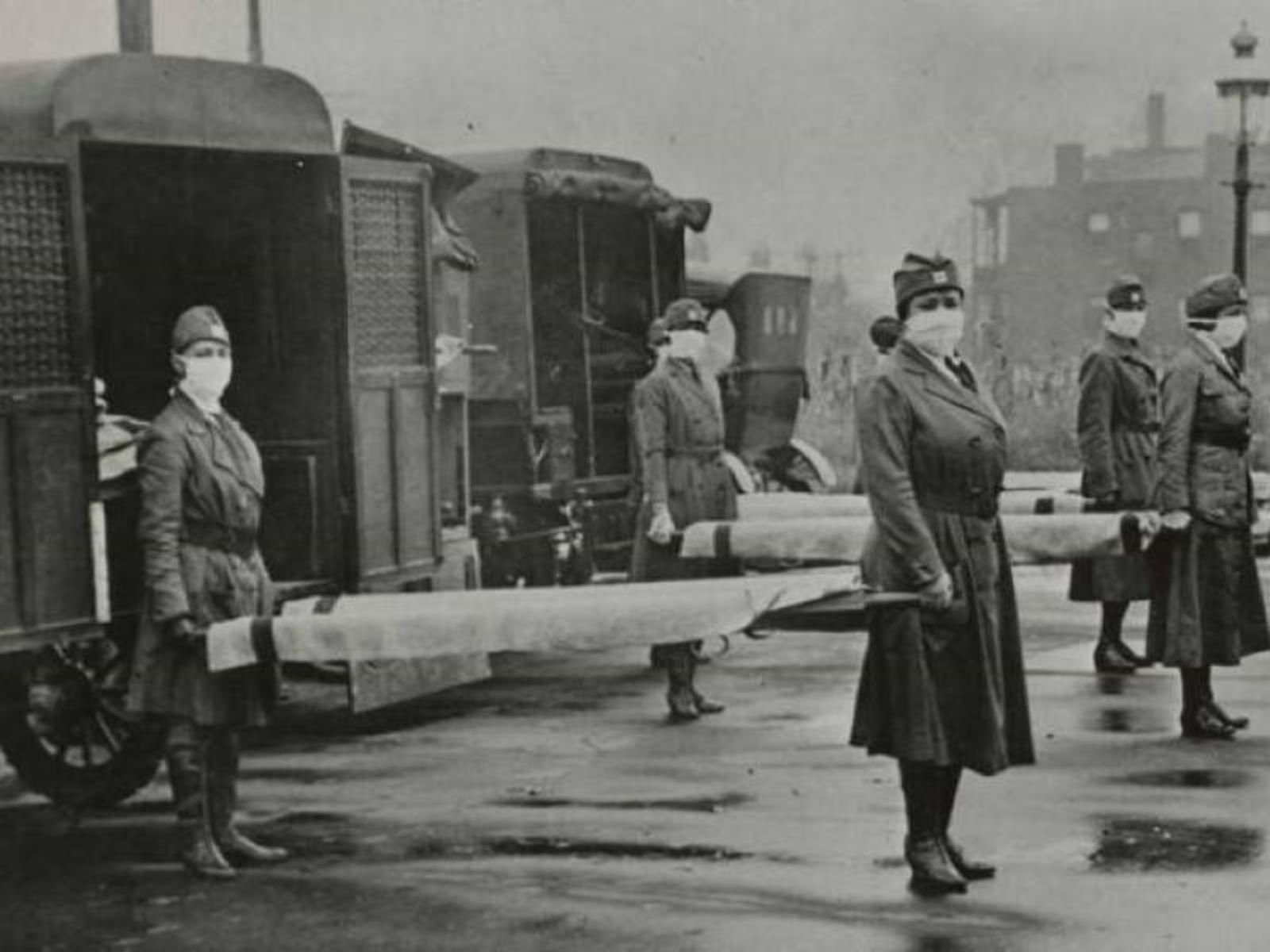
The motor corps of the St. Louis Red Cross, one of many civilian organisations that mobilised to fight the pandemic in 1918. Photo: Universal History Archive/UIG via Getty Images.
Courts, such as the one in San Francisco, began holding sessions in the open air to minimise the risk of contagion. Even sport was affected, with baseball players wearing masks during matches. Civil society mobilised in impressive fashion. Organisations such as the Red Cross played a vital part, with volunteers setting up makeshift hospitals, cooking meals for sick families and caring for orphans.
Nurses, many of them volunteers, became the heroines of the pandemic, working tirelessly in dangerous conditions and with limited resources. Later studies analysing data from different American cities showed that the early, sustained and layered implementation of these public health measures was directly correlated with lower mortality rates.
Cities such as St. Louis, which acted quickly, performed significantly better than cities such as Philadelphia, which was slow to act and allowed a large war parade to go ahead, resulting in an explosion of cases and deaths.
The “Spanish Dancer” in Brazil: Contagion by the English Ship Demerara
In Brazil it is believed that the virus arrived in September 1918 aboard the English ship Demerara, which had left Liverpool and called at Lisbon, Dakar, Recife and Salvador before reaching Rio de Janeiro.
SS Demerara: The “Death” Ship
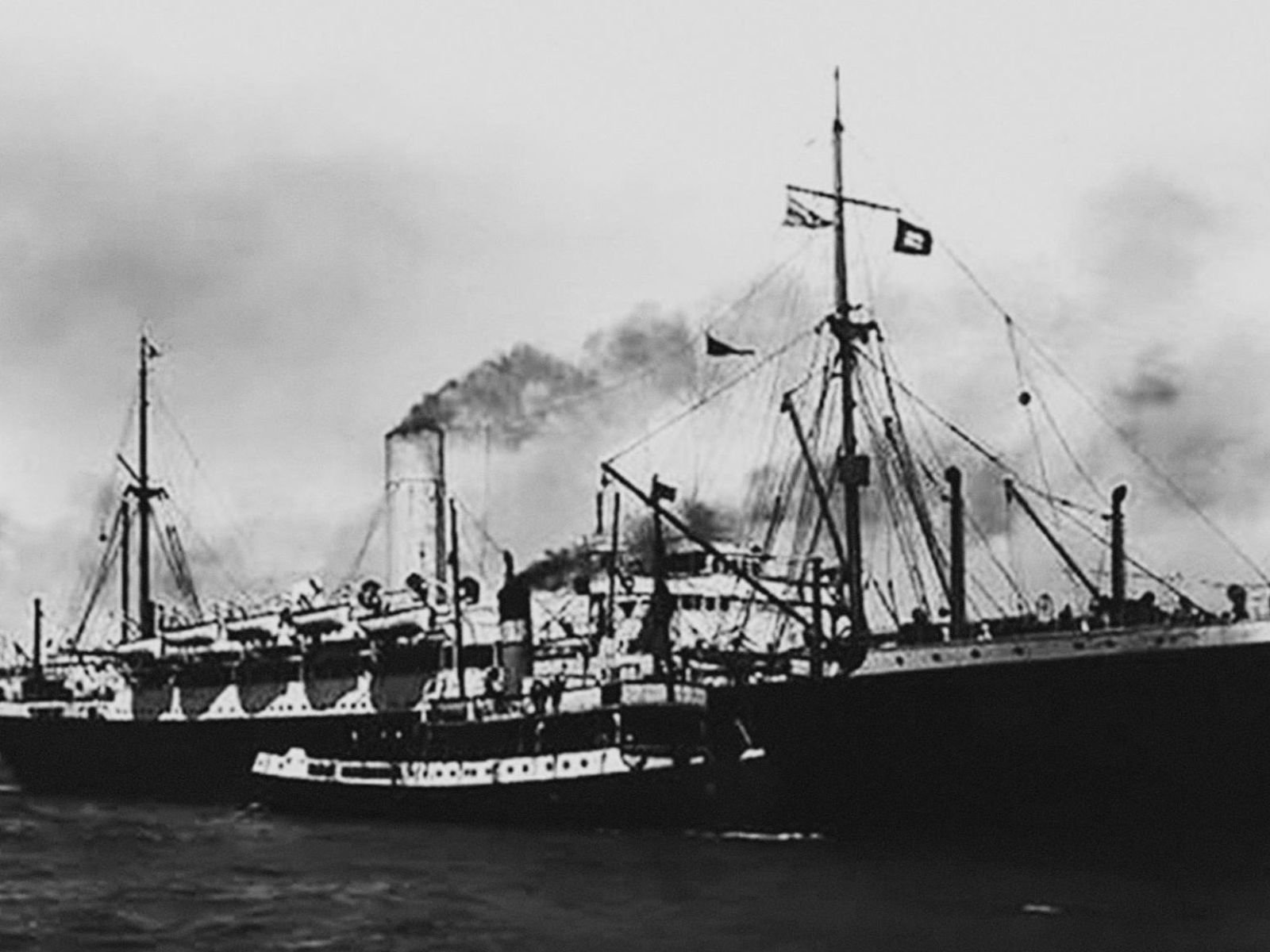
The SS Demerara remains a tragic symbol in the history of Brazilian public health. The combination of negligence by the sanitary authorities, economic pressure to keep the ports open and a lack of understanding of the severity of the pandemic resulted in one of the greatest health disasters in Brazil.
The SS Demerara became known in Brazilian history as the “death ship”, responsible for bringing the Spanish flu pandemic to Brazil in September 1918. This British-flagged liner made a dramatic voyage across the Atlantic during the First World War, facing attacks from German submarines and carrying, unknowingly, the virus that would devastate the country.
The liner worked the Liverpool-Buenos Aires route, calling at various ports along the way. During the First World War the Demerara gained notoriety by becoming the first British merchant navy ship to sink a German submarine. The captain was decorated and received awards, but that victory turned the ship into a priority target for the German navy.
Arrival in Brazil: Recife
On 9 September 1918 the Demerara docked at Recife, the first of four calls along the Brazilian coast. With the port of Recife under construction, passengers and their luggage had to disembark inside giant cloth baskets hoisted by cranes. Passengers and crew came ashore without being inspected by the sanitary authorities.
The governor of Pernambuco denied the existence of the Spanish flu. If the ship were infected, he would have to close the port. To avoid harming the local economy, he preferred to let the Demerara sail on as though nothing were happening. That decision would have devastating consequences.
Salvador
From Recife the Demerara sailed for Salvador, arriving on 11 September. On the way the captain decided to clean the vessel with creoline, but it did little good. In the capital of Bahia the neglect was repeated: passengers and crew came ashore without being inspected by the sanitary authorities.
Two weeks later the newspaper A Tarde, founded in 1912, counted some “seven hundred sick” scattered everywhere: from barracks to hospitals, from schools to churches. As in Recife, the governor of Bahia denied the existence of the Spanish flu so as not to have to close the ports and harm the local economy.
Rio de Janeiro
The next destination was Rio de Janeiro. In Guanabara Bay, in front of Ilha das Cobras, a yellow flag, meaning sickness on board, was already flying from one of the masts. It was 15 September 1918. The port health inspector, José Maria de Figueiredo Ramos, examined several passengers, two of them gravely ill, and found that the ship was infected.
Even so, the Demerara was authorised to dock. In the capital of the Republic alone, 367 passengers disembarked. Some complained of a mild cold. Others complained of body aches. Others still, with more serious symptoms such as bleeding from the mouth, nose and ears, among other orifices, had to be taken to hospital.
Though serious, the disease was not contagious, the inspector assured them. He was wrong: it was in fact highly contagious. By then the Spanish flu had already acquired the most unusual nicknames: “Russian catarrh”, “trench sickness”, “three-day fever”. In Rio they gave it one more: “old-people sweeper”, from the belief that the new virus attacked only the elderly.
The Trail of Destruction
Suddenly Rio de Janeiro was overtaken by the disease. Many families laid their dead on the pavement outside their houses to be collected by the undertakers. There were not enough hospital beds for so many sick, nor gravediggers to bury so many corpses. The journalist Nelson Rodrigues (1912-1980) wrote about the experience in 1967:
“From one day to the next, everybody started to die. The first were still wept over, watched over and covered in flowers. But when the city sensed that this really was the plague, nobody wept any more, nor kept vigil, nor brought flowers. A wake would have been an unbearable luxury for the other corpses. This was 1918. Death was in the air and I say it again: diffuse, volatilised, atmospheric; everyone breathed it in…”
The disease spread rapidly. In Rio de Janeiro, then the federal capital, the situation became chaotic. With the health and funeral services in collapse, bodies were left in the streets. The terrified population turned to folk remedies and “miracle cures”, such as cachaça with lime and honey, which became popular at the time and is considered by some to be the forerunner of the caipirinha.
The great flow of migration Brazil was receiving is also cited as one of the causes of the epidemic’s spread. One of the most emblematic cases was that of the president-elect Rodrigues Alves, who caught the flu and died in January 1919, before he could even be sworn in for his second term.
Montevideo and Buenos Aires
The Demerara continued on to Montevideo, where it docked on 23 September. On board, the “dancer” (as the flu was called) went on claiming victims. In the waters of the River Plate the toll was already six dead and 22 infected. Brazilian newspapers tried to warn the Uruguayan authorities, but the director of Public Assistance in that country, Horácio González del Solar, paid them no heed.
When it reached Buenos Aires, the Demerara was finally given a rigorous inspection. The Argentine authorities did what the Brazilians had not had the courage to do: hold the ship and disinfect it.
The Impact of the Spanish Flu in Brazil
The Spanish flu killed around 35,000 people in Brazil alone, according to the most conservative estimates. Worldwide the disease wiped out between 30 and 60 million people, far more than the number killed during the First World War (1914-1918).
On 10 October 1918 the then director general of public health, Carlos Seidl (1867-1929), called a press conference. Before doctors and journalists, he played down the epidemic, questioned the figures and called the newspapers “irresponsible” and “sensationalist”.
A week later the president of the Republic, Venceslau Brás (1868-1966), summoned him to the Catete Palace and dismissed him. In his place came the physician Theóphilo de Almeida Torres (1863-1928), who called on the public health expert Carlos Chagas (1879-1934) to head a task force against the Spanish flu.
COVID-19 and the Spanish Flu: Echoes in Time
More than a century separates the Spanish Flu from the COVID-19 pandemic, yet the echoes of 1918 resounded with alarming clarity in 2020. The two pandemics, caused by distinct respiratory viruses (Influenza A H1N1 and SARS-CoV-2), offered a fascinating case study in the differences and similarities of the human response to a global health crisis. In both 1918 and 2020 the pandemics exposed and worsened existing social inequalities, with the poorest and most marginalised communities suffering disproportionately.
In both cases the world witnessed rapid global spread, the overloading of health systems, heated debate over public health measures such as masks and social distancing, and the spread of misinformation and false cures. The psychology of fear, grief and isolation was a shared experience, as was the political polarisation that often hampered a unified response.
The Crucial Differences Between the Pandemics
The differences, however, are equally striking and reveal humanity’s progress. The main one lies in science and technology. In 1918 scientists could not even identify the agent causing the disease (many believed it to be a bacterium, not a virus). There were no antibiotics for secondary infections, nor vaccines, antivirals or mechanical ventilators.
In 2020 the genome of SARS-CoV-2 was sequenced within weeks, and effective, safe vaccines were developed in record time. Communication was also a watershed. While wartime censorship in 1918 created an information vacuum, the digital age in 2020 allowed the instantaneous spread of scientific data, but also of misinformation on a scale never seen before.
It should be noted that, on the transparency of information, it remains a matter of suspicion that some countries such as China allegedly concealed vital information about the COVID-19 pandemic, particularly regarding high-risk research and biosafety failures at the WIV (Wuhan Institute of Virology), as well as reports of staff who are said to have fallen ill in the autumn of 2019. The declassified report of the US Office of the Director of National Intelligence (ODNI) describes biosafety concerns but stresses that the evidence on prior illness and on the origin itself is inconclusive.
The Legacy of the Great Influenza
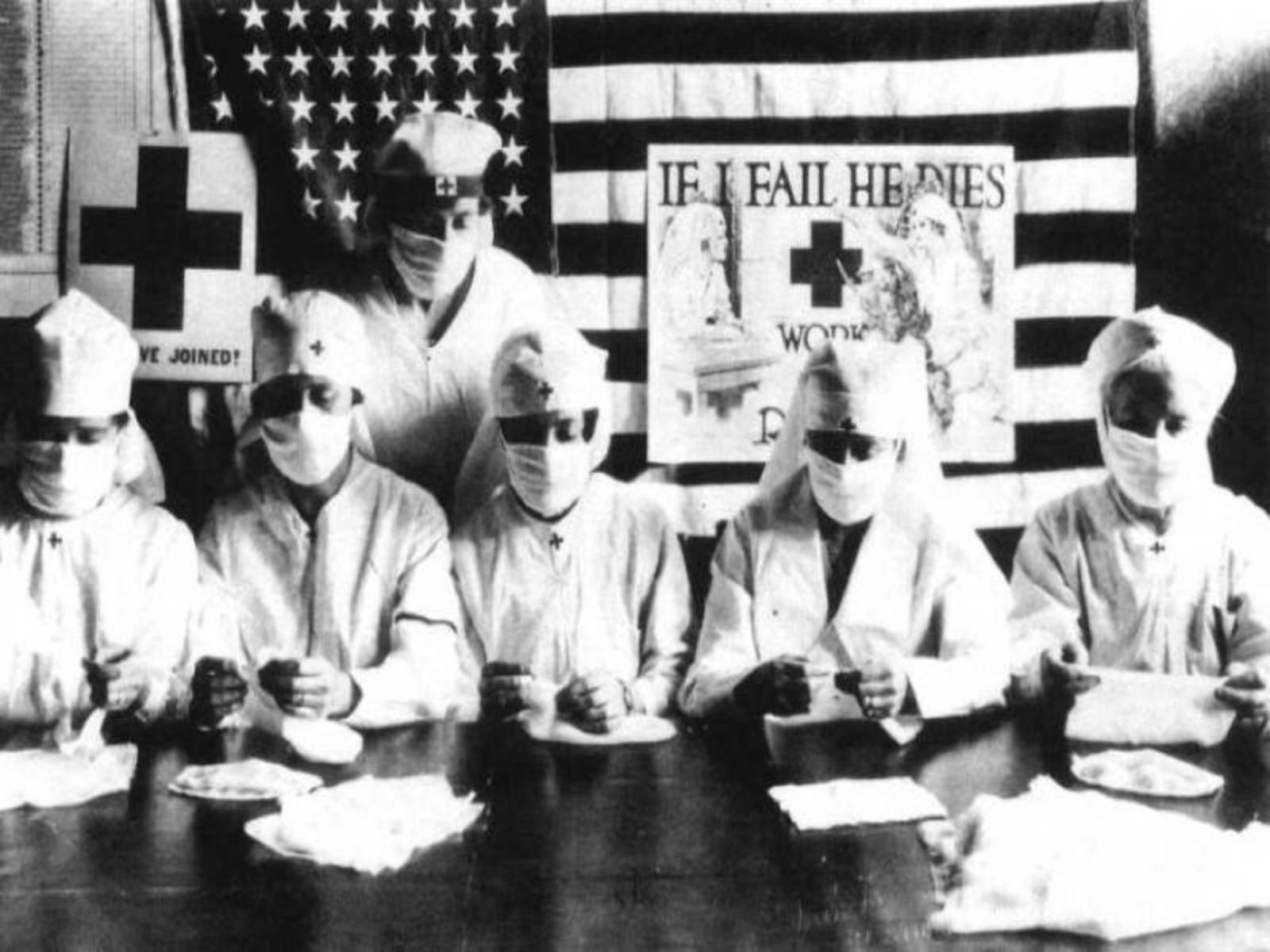
Red Cross volunteers fight the epidemic. In the background of the image the shocking phrase is visible: “If I fail, he dies”. Apic.
The Spanish Flu vanished from public consciousness for decades, a collective trauma seemingly forgotten, overshadowed by the First World War and by the Great Depression of 1929 (the Wall Street Crash). Its legacy, however, is profound. The pandemic drove the creation of public health systems in many countries and the professionalisation of epidemiology.
The pandemic highlighted the importance of global disease surveillance and international cooperation in health. The search to understand the 1918 virus led to significant advances in virology and immunology. The experience of 1918, terrible as it was, provided a crucial roadmap for the response to future pandemics, including COVID-19, reminding us of the eternal battle between humanity and microbes, and of the resilience of the human spirit in the face of catastrophe.
Read Also
Bibliographic References
- Crosby, Alfred W. America’s Forgotten Pandemic. Cambridge University Press, 1989.
- Johnson, Niall P., and Juergen Mueller. “Updating the Accounts: Global Mortality of the 1918–1920 ‘Spanish’ Influenza Pandemic.” Bulletin of the History of Medicine, vol. 76, no. 1, 2002, pp. 105–115. https://pubmed.ncbi.nlm.nih.gov/11875246/.
- Oxford, John S., et al. “The Story of Influenza.” The Threat of Pandemic Influenza: Are We Ready? Workshop Summary, 2005.
- Zimmer, Stacey M., and Donald S. Burke. “Historical Perspective—Emergence of Influenza A (H1N1) Viruses.” The New England Journal of Medicine, vol. 361, no. 3, 2009, pp. 279–285.
- Bootsma, Mart C. J., and Neil M. Ferguson. “The Effect of Public Health Measures on the 1918 Influenza Pandemic in U.S. Cities.” Proceedings of the National Academy of Sciences of the United States of America, vol. 104, no. 18, 2007, pp. 7588–7593.
- Starling, Heloísa Murgel, and Lilia Moritz Schwarcz. A Bailarina da Morte: A Gripe Espanhola no Brasil. Companhia das Letras, 2020.
- Ujvari, Stefan Cunha. História das Epidemias. Editora Contexto, 2020.
- Agrawal, A., et al. “A Comparative Analysis of the Spanish Flu 1918 and COVID-19 Pandemics.” The Open Public Health Journal, vol. 14, 2021, pp. 128–134. https://openpublichealthjournal.com/VOLUME/14/PAGE/128/FULLTEXT/.
- Barro, Robert J., José F. Ursúa, and Joanna Weng. “The Coronavirus and the Great Influenza Pandemic: A Comparative Analysis.” NBER Working Paper No. 26866, 2020. https://www.nber.org/papers/w26866.